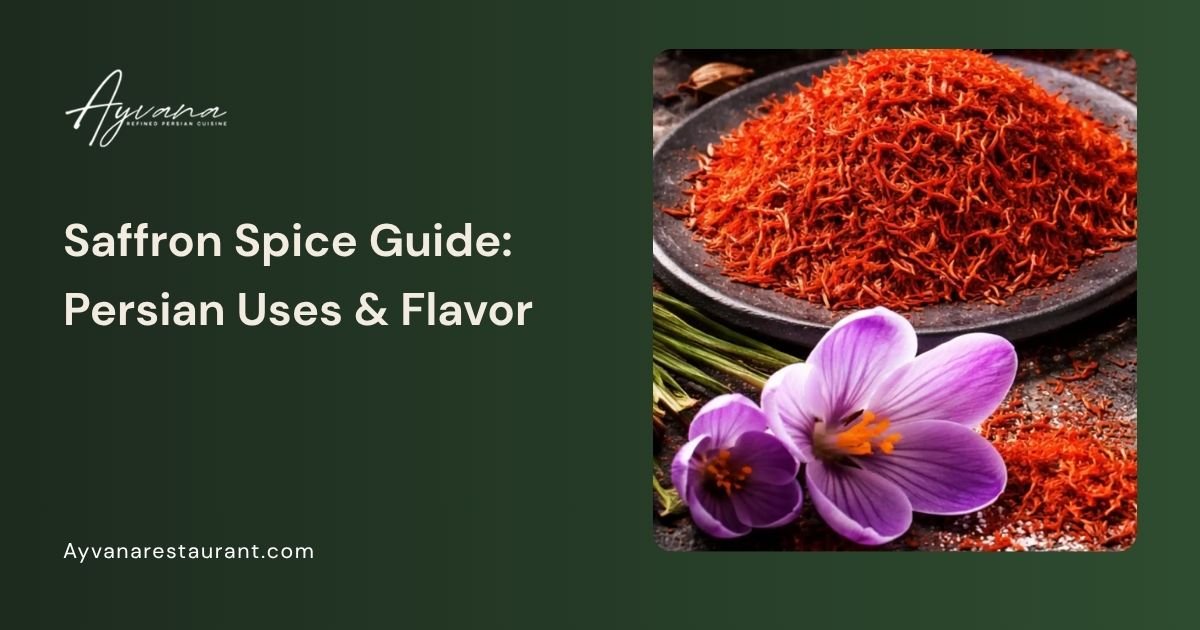
Saffron is a rare spice made from the dried stigmas of the Crocus sativus flower. It is known for its deep red threads, powerful aroma, and the rich golden color it gives to food and drinks. Even a very small amount of saffron can transform the appearance, flavor, and fragrance of a dish, which is why it has been valued for centuries in Persian, Mediterranean, Indian, and Middle Eastern cooking.
In Persian cuisine especially, saffron is far more than a seasoning. It is closely tied to hospitality, celebration, rice dishes, desserts, tea, and ceremonial meals. From glowing saffron rice and kebabs to ice cream and tea, the spice plays a central role in many of the dishes most associated with traditional Iranian food.
This guide explains what saffron is, what it tastes and smells like, why it is so expensive, how it is used in Persian cooking, how to tell if it is real, and why Iranian saffron is considered among the world’s most respected varieties.
Here is the Quick Answer:
Saffron is a luxury spice made from the dried stigmas of the Crocus sativus flower. Known for its deep red threads and golden color in cooking, saffron is widely used in Persian rice dishes, kebabs, tea, desserts, and traditional celebrations. Iranian saffron is especially valued for its strong aroma, vivid color, and careful harvesting process.
What is saffron?
Saffron is one of the most important Persian spices, made from the delicate red stigmas found inside the Crocus sativus flower, commonly called the saffron crocus. Each flower produces only three stigmas, which must be carefully hand-picked and dried to create saffron threads.
Because the usable portion of the flower is so small, saffron harvesting is extremely labor intensive. Thousands of flowers are needed to produce even a small quantity of the spice. After harvesting, the threads are dried carefully to preserve their aroma, flavor, and coloring compounds.
This process is one of the main reasons saffron is considered one of the world’s most luxurious spices and one of the most important traditional ingredients in Persian cuisine. High-quality Persian saffron is especially prized for its strong aroma, vivid coloring power, and long, unbroken threads.
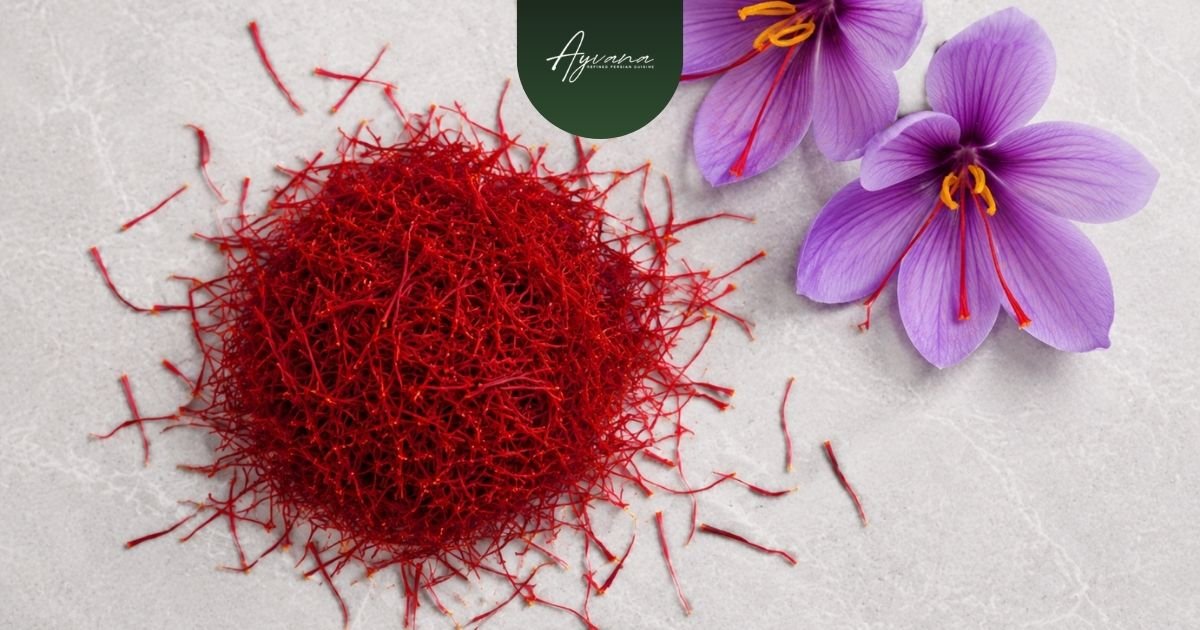
In culinary use, saffron appears as thin crimson-red threads that release golden color and fragrance when steeped in warm liquid.
What color is saffron?
Saffron threads themselves are deep crimson red, often with slightly darker tips and subtle orange tones near the base. However, when used in cooking, saffron creates a rich golden-yellow color that can completely transform the appearance of food.
The coloring effect comes primarily from a natural compound called crocin, which dissolves into liquid during cooking. Even a few threads can tint rice, tea, sauces, or desserts with a warm golden glow.
This visual effect is especially important in Persian cuisine. Saffron rice is often used during celebrations and formal meals because the bright yellow color creates contrast, elegance, and warmth on the table. Dishes such as tahchin, saffron rice, sholeh zard, and Persian ice cream all rely heavily on saffron’s visual character.
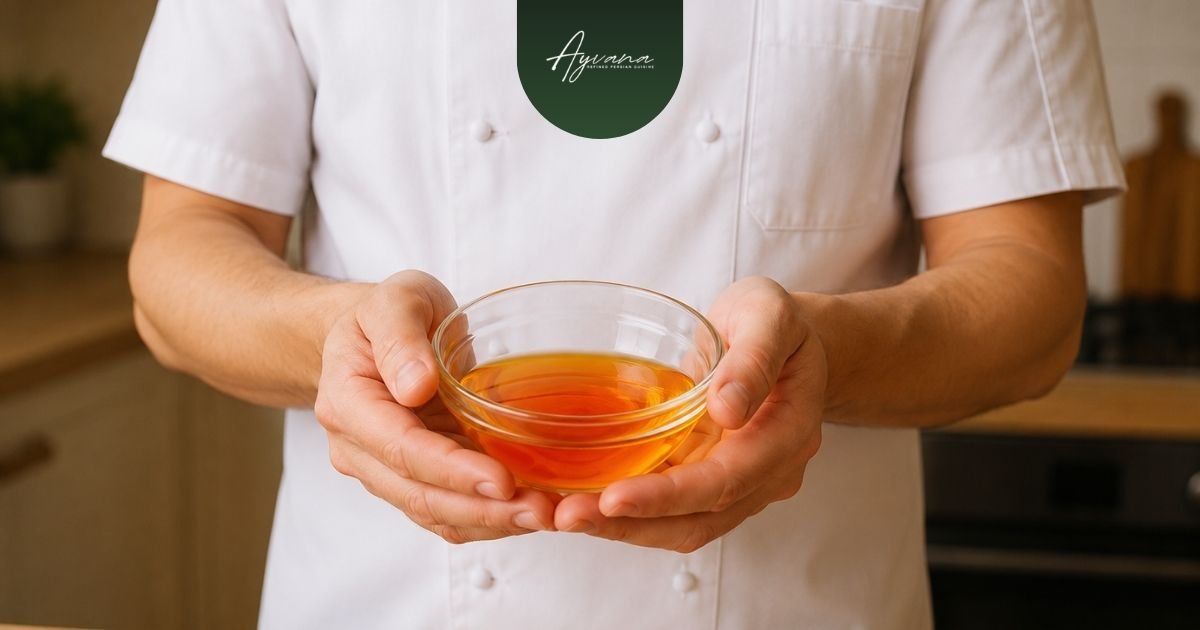
Professional chefs and traditional Persian cooks usually “bloom” saffron before using it. This involves grinding the threads and steeping them in warm water or ice so the color and aroma release more fully into the dish.
What does saffron taste and smell like?
Saffron is difficult to compare directly to other spices because its flavor and aroma are highly distinctive. Most people describe saffron as floral, earthy, slightly sweet, and gently bitter at the same time.
The aroma often carries notes that feel similar to honey, hay, warm flowers, or dried grass, while the flavor adds depth rather than sharp spice heat. In many dishes, saffron is noticed more through aroma and atmosphere than through strong direct flavor.
Part of what makes saffron valuable is the way it changes the overall sensory experience of a meal. A small amount can make rice feel richer, tea more aromatic, or desserts more luxurious without overwhelming the dish itself.
Too much saffron, however, can create bitterness and overpower other ingredients. In traditional Persian cooking, balance is extremely important, and saffron is usually used carefully rather than heavily.
What gives saffron its color, aroma, and flavor?
Saffron’s unique characteristics come from several natural compounds found inside the threads.
Crocin is primarily responsible for saffron’s intense golden color. When saffron is steeped in liquid, crocin dissolves and spreads through the dish.
Safranal creates much of saffron’s recognizable aroma. This compound develops during the drying process and gives saffron its warm floral fragrance.
Picrocrocin contributes the slightly bitter flavor that balances saffron’s sweetness and aroma.
Together, these compounds create the sensory profile that makes saffron unlike any other spice. The balance between color, aroma, and flavor can also change depending on how saffron is stored, prepared, or cooked.
What is saffron used for?
Saffron is used across many types of dishes and beverages, but its role in Persian cuisine is especially important because it affects both flavor and presentation.
Saffron in Persian Rice Dishes
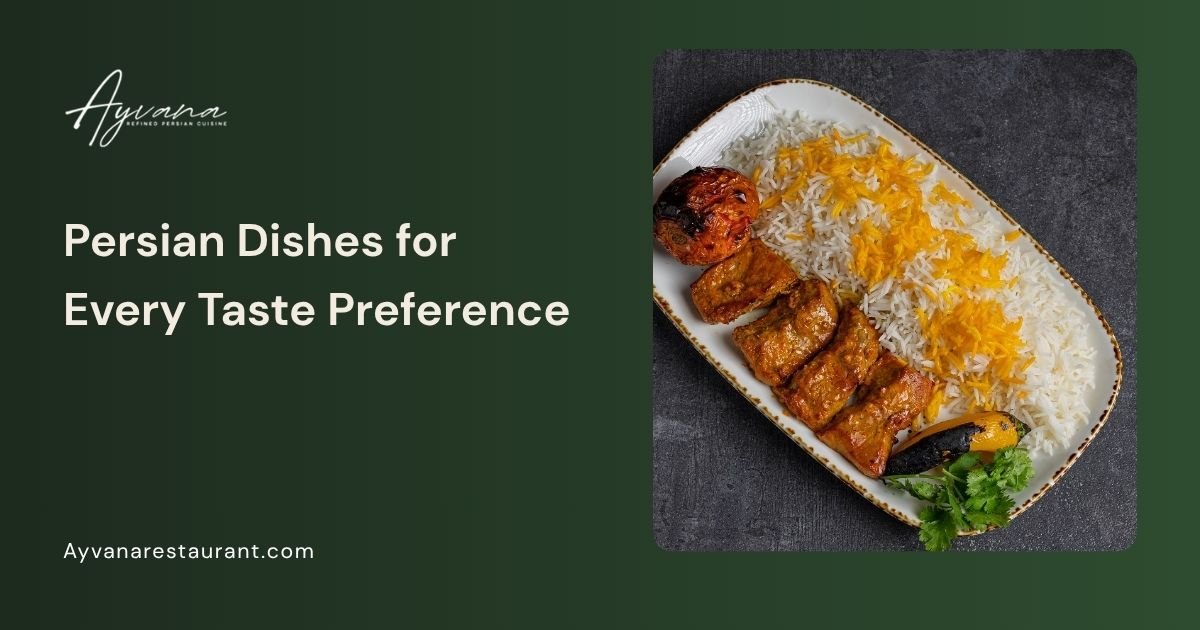
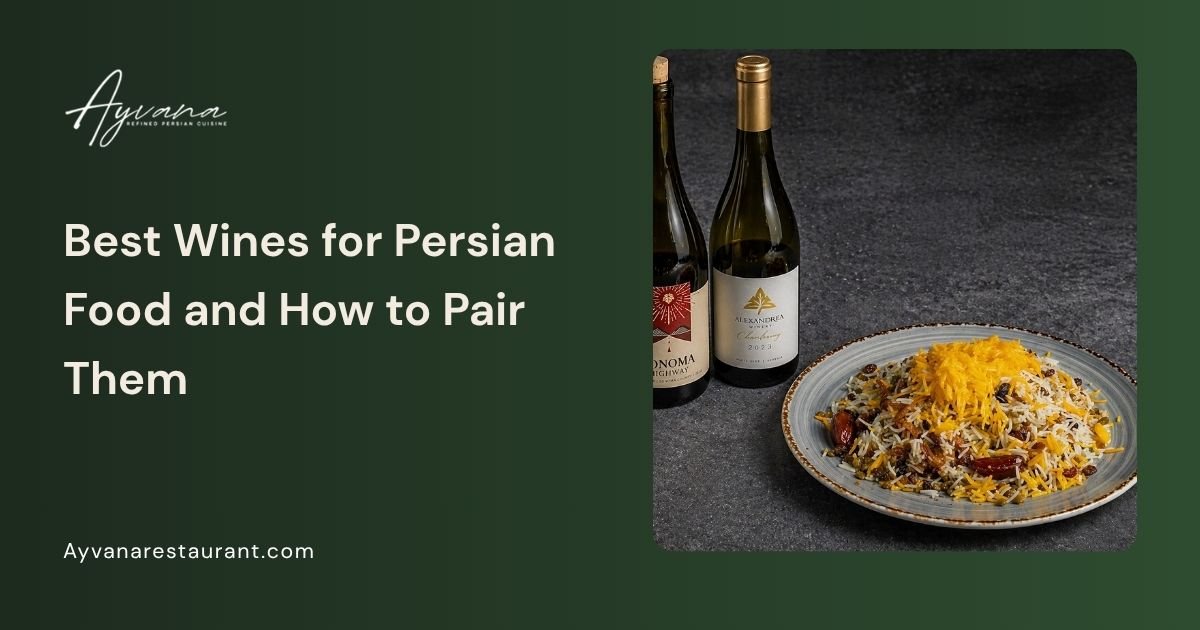
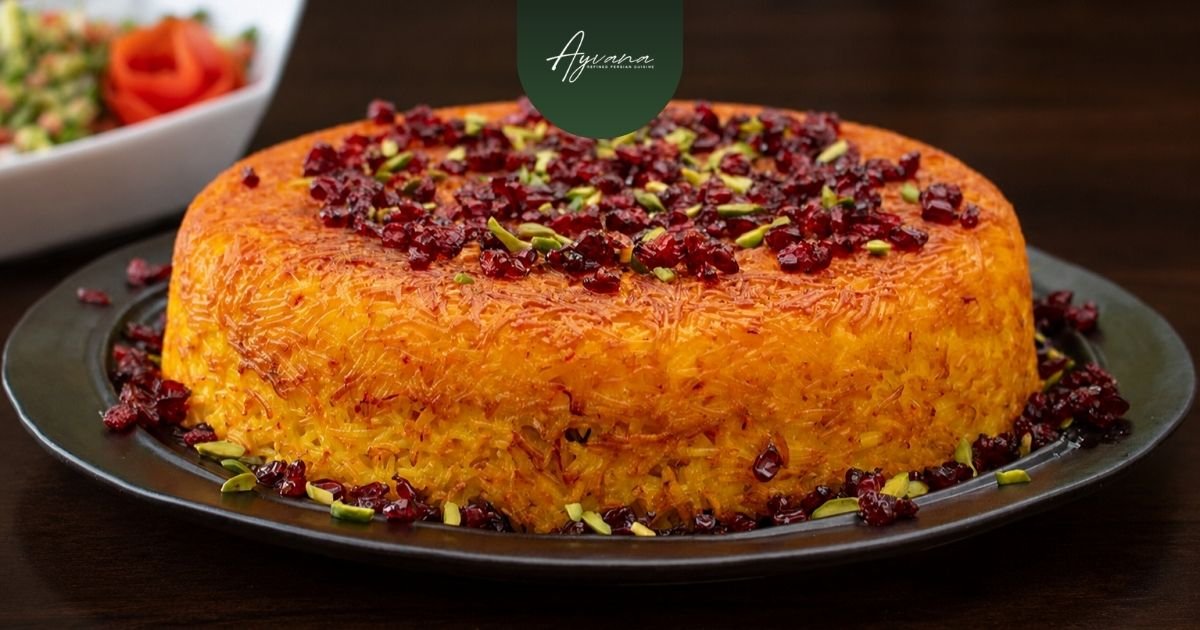
Saffron is one of the defining ingredients in many Persian rice dishes. It is often mixed into steamed rice, tahdig, tahchin, and ceremonial rice platters to create color, aroma, and visual contrast.
Rather than flavoring the entire pot evenly, Persian cooks often layer saffron strategically across the top portion of the rice so the golden color remains vibrant and visually striking.
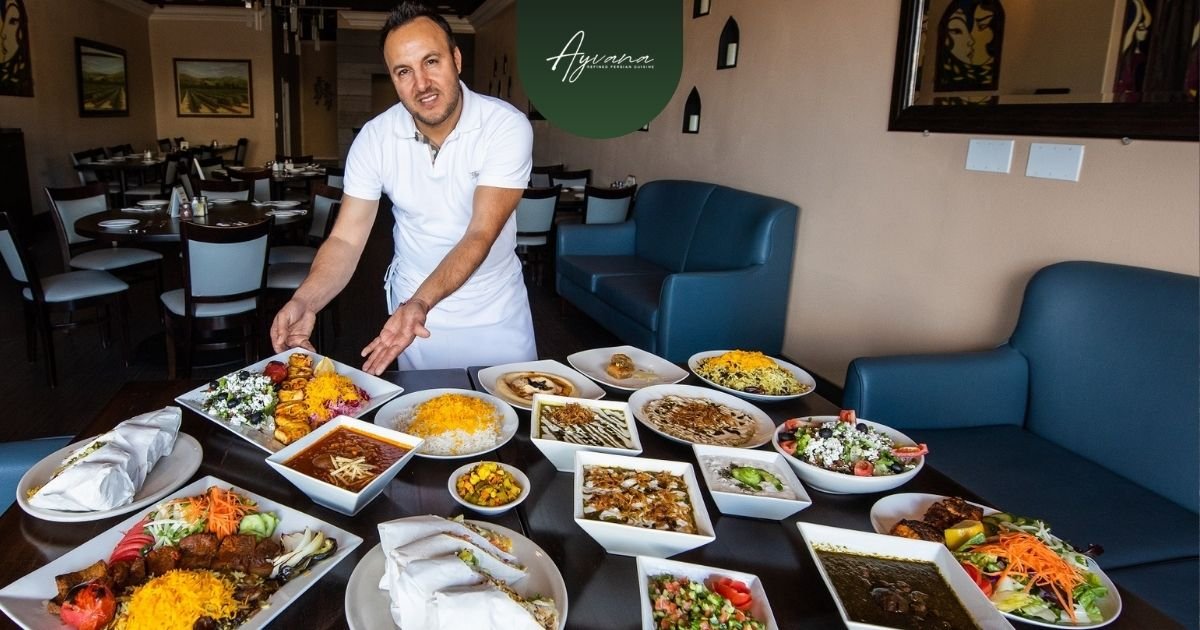
At Ayvana Persian Restaurant in Tarzana, saffron appears throughout many traditional Persian rice dishes where aroma and presentation are central to the dining experience.
Saffron in Meat and Kebab Dishes
Saffron is commonly used in traditional Persian kebabs, marinades, chicken dishes, and some Persian stews. It is frequently combined with yogurt, onion, lemon juice, or butter to create marinades that add aroma and richness without overpowering the meat.
In Persian kebab preparation, saffron often contributes more to fragrance and warmth than to direct spice flavor.
Saffron in Tea and Beverages
Saffron tea and saffron-infused herbal drinks are popular in Persian hospitality traditions. The spice adds fragrance, warmth, and color to tea while creating a more aromatic drinking experience.
Saffron is also commonly paired with cardamom, rosewater, or black tea in Persian beverage culture.
Saffron in Desserts and Ice Cream
Many Persian desserts rely heavily on saffron for both color and aroma. Sholeh zard, Persian saffron ice cream, pastries, and sweets often combine saffron with pistachio, rosewater, or cardamom.
The floral and honey-like qualities of saffron work especially well in desserts because they add complexity without excessive sweetness.
Why is saffron so expensive?
Saffron is expensive primarily because harvesting it requires an enormous amount of manual labor.
Each Crocus sativus flower produces only three delicate stigmas, and these must be picked carefully by hand during a very short harvest season. Thousands of flowers are needed to produce even small quantities of saffron.
After harvesting, the threads must be dried precisely to preserve their quality. The process is time-sensitive and labor intensive from beginning to end.
Because of its rarity, saffron is sometimes called “red gold.” Iran produces the majority of the world’s saffron supply, which is why Iranian saffron has become globally associated with quality and authenticity.
The high price of genuine saffron has also contributed to counterfeit products appearing in some markets.
Different Types and Grades of Saffron
Not all saffron is the same. Persian saffron is commonly categorized into several grades based on thread appearance, coloring strength, and purity.
Super Negin saffron is generally considered one of the highest grades because it contains long, thick, fully red threads with strong aroma and coloring power.
Sargol saffron also consists mostly of red stigma tips but usually contains shorter threads.
Pushal saffron includes part of the yellow style attached to the red stigma, giving it a more mixed appearance.
Bunch saffron contains the full thread structure tied together and is often considered less refined visually.
Higher grades typically produce stronger color and aroma while also commanding higher prices.
How to Use Saffron Properly in Cooking
Saffron works best when prepared carefully before adding it to food.
Most chefs grind saffron threads gently using a mortar and pestle before steeping them in warm water or ice. This process, often called blooming, helps release the spice’s color, aroma, and flavor more effectively.
Adding dry saffron threads directly into food is usually less effective because the compounds release unevenly.
A small amount of saffron is typically enough for most dishes. Using too much can create bitterness and overwhelm the meal.
To preserve quality, saffron should be stored in an airtight container away from light, heat, and moisture.
Fresh saffron usually has:
- a strong floral aroma
- deep red coloring
- dry but flexible threads
- gradual color release rather than immediate dye-like bleeding
How Authentic Persian Restaurants Use Saffron Differently
Traditional Persian cooking often treats saffron as a layered ingredient rather than a simple seasoning.
Authentic Persian restaurants frequently bloom saffron carefully before incorporating it into rice, marinades, desserts, or tea. The goal is not simply to make dishes yellow, but to balance aroma, richness, and presentation together.
At Ayvana Persian Restaurant in Tarzana, saffron is used throughout many traditional Persian dishes in ways that reflect longstanding cooking techniques associated with Persian rice, kebabs, desserts, and hospitality culture.
How to Tell if Saffron Is Real or Fake
Because saffron is valuable, counterfeit products are relatively common.
Fake saffron may include:
- dyed corn silk
- colored fibers
- turmeric mixtures
- artificially colored threads
Authentic saffron usually has:
- deep red threads with slight orange variation
- a strong floral-earthy aroma
- gradual golden color release in water
- threads that keep their structure rather than dissolving quickly
If saffron releases bright red dye immediately, it may be artificially colored.
Higher-quality grades such as Super Negin and Sargol usually contain cleaner, more vivid red threads with stronger aroma and coloring ability.
Why Saffron Is Important in Persian Cuisine
Saffron holds deep cultural importance in Persian cuisine because it is associated with hospitality, celebration, beauty, and refinement.
For centuries, saffron has appeared in Persian rice dishes, desserts, tea, and ceremonial meals connected to weddings, holidays, and family gatherings. Its golden color often symbolizes warmth, abundance, and care in traditional dining.
Iran’s long history with saffron cultivation also helped establish Persian saffron as one of the country’s most recognized culinary exports along historical trade routes such as the Silk Road.
In many Persian meals, saffron is not simply used for flavor. It helps create atmosphere, presentation, and emotional connection around the dining experience itself.
Persian Saffron vs Other Types of Saffron
Persian saffron is often compared with Spanish saffron because both are widely exported internationally.
Many chefs and culinary professionals consider Iranian saffron especially desirable because of its strong aroma, vivid color release, and long thread quality. Persian saffron also tends to have higher crocin concentration, which contributes to stronger coloring power.
Spanish saffron is also respected globally, but the flavor, aroma, and thread appearance may vary depending on processing methods and growing conditions.
Because Iran produces the majority of the world’s saffron, Iranian saffron has become closely associated with premium saffron production overall.
Where to Try Authentic Saffron Dishes in Tarzana
Understanding saffron academically is one thing, but experiencing it in traditional Persian cuisine gives a much clearer sense of why the spice is so important culturally and culinary.
At Ayvana Persian Restaurant in Tarzana, saffron appears across many classic Persian dishes, including rice plates, kebabs, desserts, and tea preparations that rely on traditional Persian cooking methods.
For first-time diners especially, tasting authentic saffron dishes in a Persian restaurant setting helps connect the spice’s aroma, color, and flavor to the broader Persian dining experience.