Persian kebab is one of the most recognizable parts of Iranian cuisine, known for its balance of flavor, careful preparation, and distinctive grilling style. While the word “kabab” appears across many cultures, the Persian version has its own identity shaped by ingredients, technique, and how it is served.
This guide explains what kabab is, how Persian kebab differs from other styles, the main types you’ll see on a menu, and what to expect when ordering at a Persian restaurant.
Here is the Quick Answer:
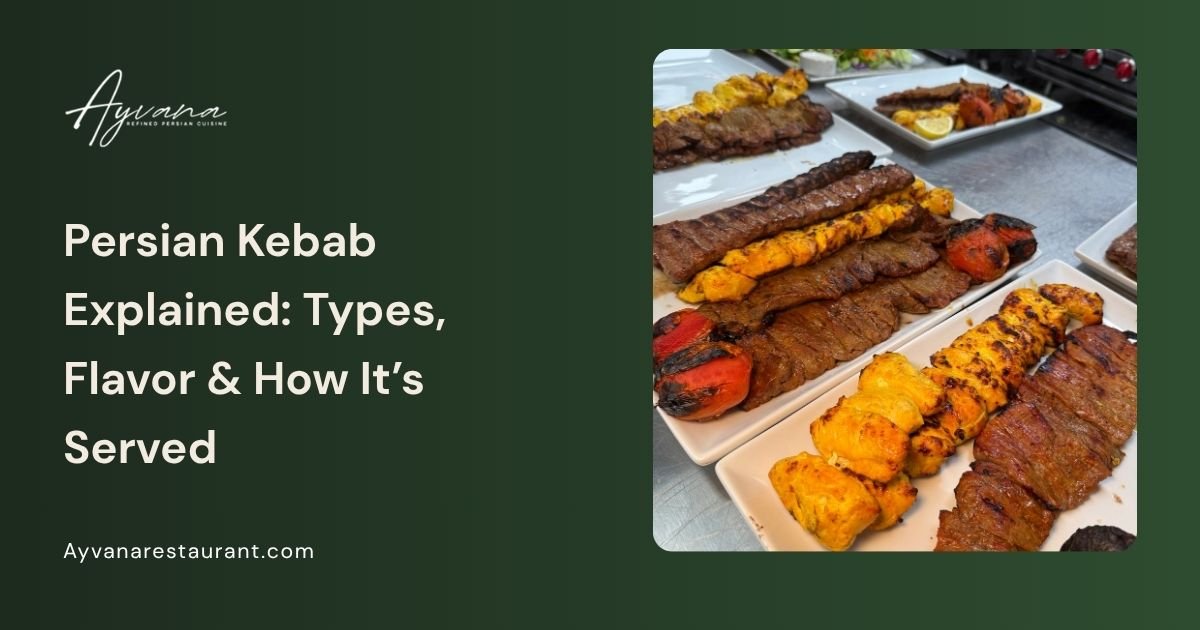
Persian kebab refers to a range of grilled meat dishes, including koobideh (ground meat), barg (sliced tenderloin), and shish kabob (cubed meat). It is lightly seasoned, cooked over an open flame, and typically served with rice, grilled tomato, and simple sides, creating a balanced, smoky, and tender dish.
What is kabab?
Kabab is a broad term that refers to a family of dishes made from meat cooked over an open flame or grill. The meat may be ground, cubed, or sliced, and it is often cooked on skewers.
Across different regions, kabab can vary widely in seasoning, preparation, and presentation. Some styles are heavily spiced, while others rely on simpler seasoning and the flavor of the meat itself.
This article focuses on the Persian interpretation of kabab, which emphasizes balance, tenderness, and controlled grilling.
What is Persian kebab?
Persian kebab is a style of grilled meat that highlights the natural flavor of the ingredients rather than relying on heavy seasoning.
It is typically prepared using beef, lamb, or chicken, often combined with grated onion, saffron, or light marinades. The meat is cooked over an open flame, which creates a light char while keeping the interior tender.
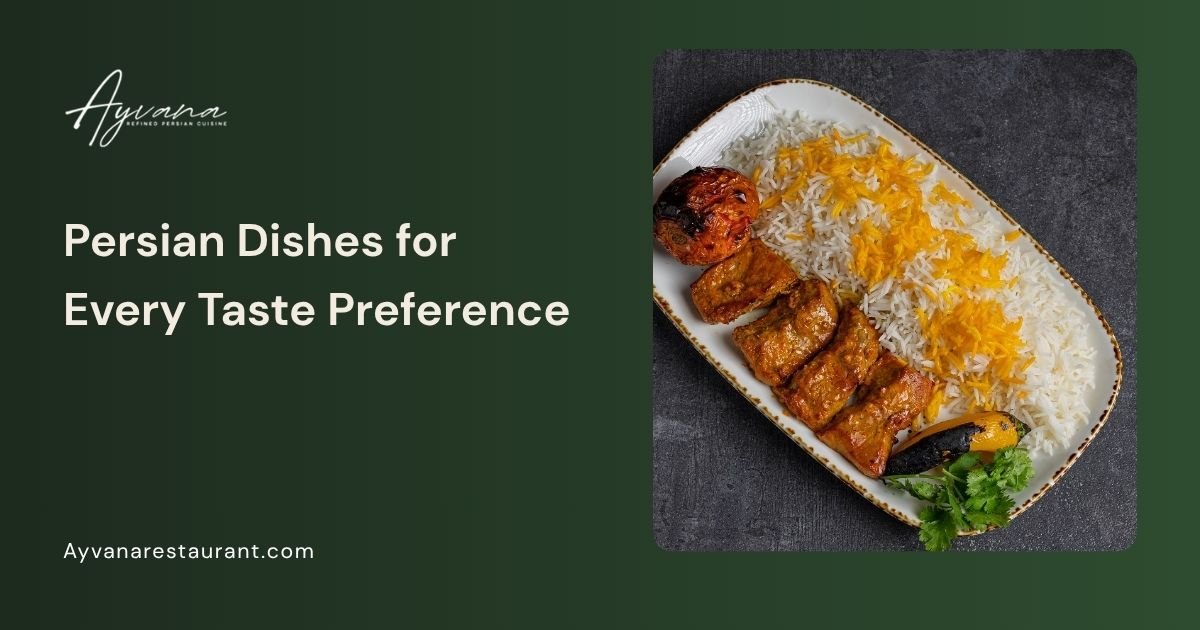
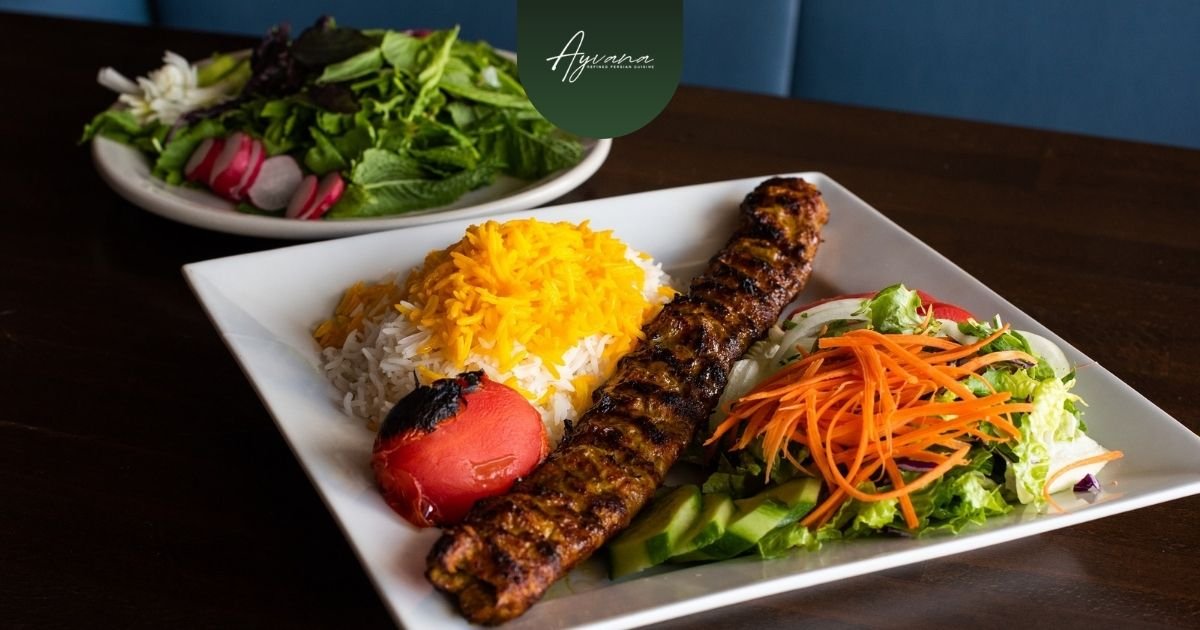
What makes Persian kebab distinctive is not just the meat, but how it is served. It is usually paired with rice, grilled tomatoes, and simple sides such as herbs or yogurt-based dishes. Sumac may be added at the table to introduce a subtle tang.
The result is a dish that feels complete, with each element contributing to balance rather than intensity.
Types of Persian Kebab You Should Know
Persian cuisine includes several types of kebab, each with its own texture, preparation method, and flavor profile.
Koobideh Kabob
Koobideh is made from ground meat, typically beef or a combination of beef and lamb, mixed with grated onion. It is shaped onto skewers and grilled.
It has a soft, juicy texture and a mild, savory flavor. This is one of the most common and accessible types of Persian kebab.
Barg Kabob
Barg kabob uses thin slices of tenderloin, usually beef. The meat is lightly marinated and grilled quickly.
It is known for its tenderness and clean flavor, often enhanced with butter or saffron. This is considered a more refined or premium option.
Shish Kabob
Shish kabob consists of cubed pieces of meat, often beef or lamb, grilled on skewers.
Compared to other Persian kebabs, it has a firmer texture and a more pronounced grilled character due to the larger cuts of meat.
Joojeh Kabob (Boneless Chicken Kabob)
Joojeh kabob is made from chicken, often marinated with saffron and citrus.
It has a lighter flavor and a tender texture, making it a common choice for those who prefer poultry.
Chenjeh Kabob
Chenjeh uses larger cuts of marinated lamb or beef. It is grilled to retain juiciness while developing a slightly charred exterior.
It offers a more substantial texture compared to finer cuts like barg.
Soltani (Mixed Kebab Plate)
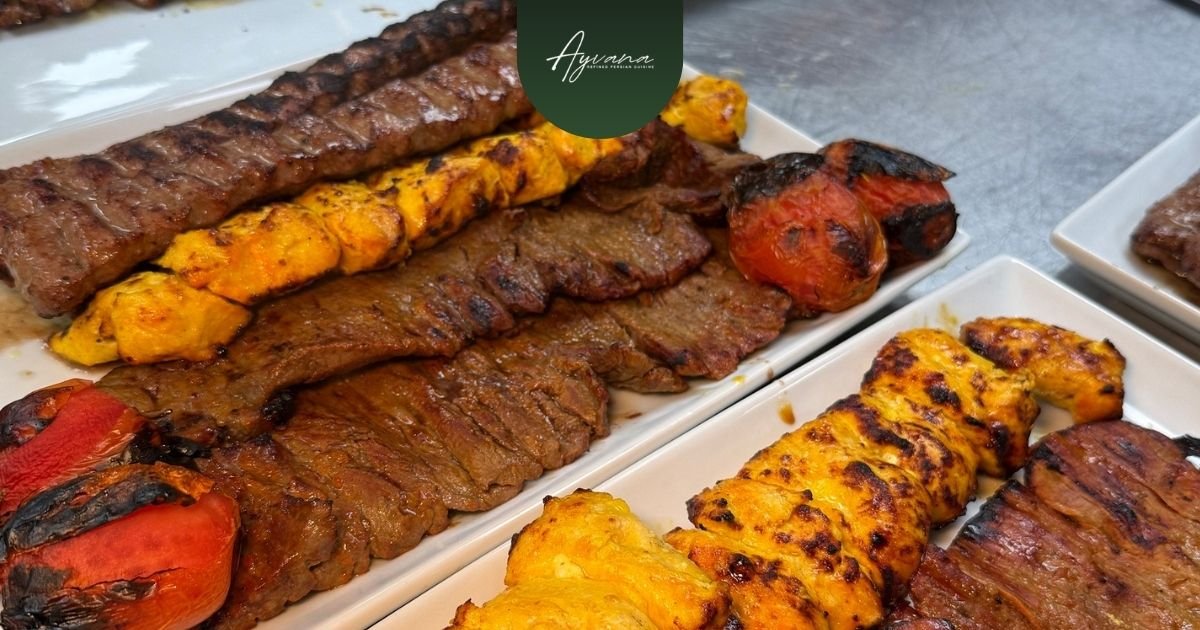
A soltani plate combines two types of kebab, often koobideh and barg, on one dish.
It allows diners to experience different textures and flavors in a single meal.
What ingredients are used in Persian kebab?
Persian kebab relies on a small number of ingredients, each used with purpose.
Meat is the foundation, with beef, lamb, or chicken chosen depending on the dish. The quality and cut of the meat play a major role in the final texture.
Onion is often added, especially in ground kebabs like koobideh, where it helps retain moisture and improve tenderness.
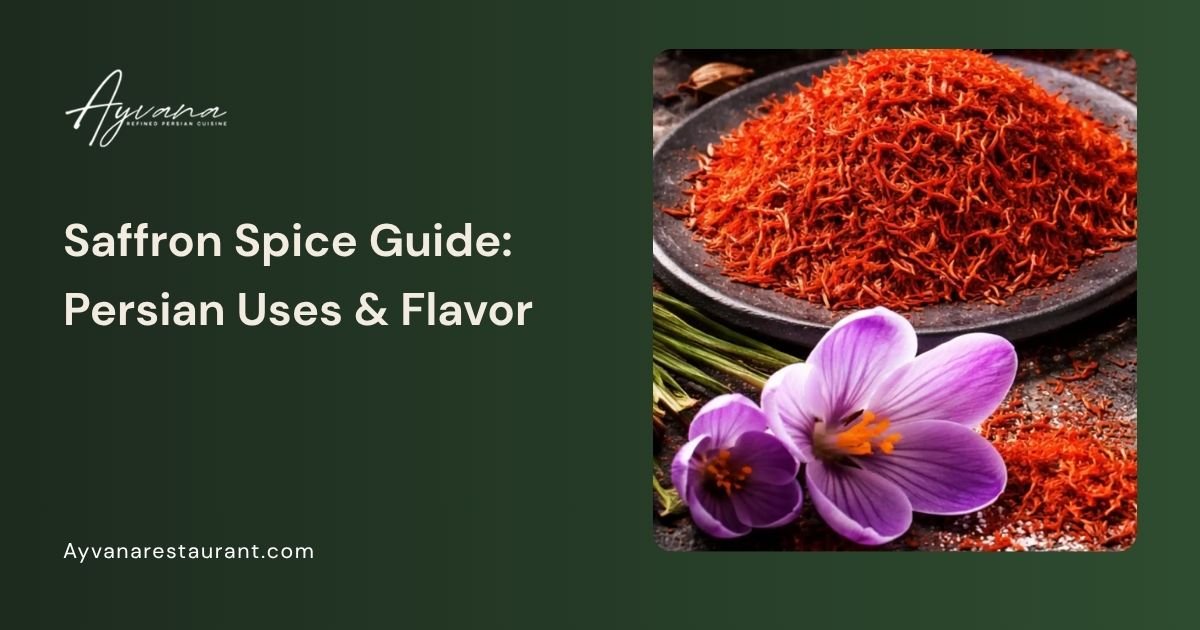
Saffron is used in certain preparations, particularly with chicken or premium cuts, adding a subtle aroma and color.
Seasoning is typically minimal. Salt and pepper are common, while stronger spice blends are rarely used. In some cases, a light marinade may include citrus or oil.
These choices reflect a preference for clarity of flavor rather than complexity through heavy seasoning.
Keep Reading: Persian Spices Guide
What does Persian kebab taste like?
Persian kebab has a clean, balanced flavor with a focus on the natural taste of the meat.
The grilling process adds a light smokiness and a slight char on the surface. The interior remains tender and juicy, especially in well-prepared cuts.
The overall flavor is not heavily spiced. Instead, it is enhanced by accompaniments such as rice, butter, grilled tomato, and sumac. Together, these elements create a complete and layered eating experience.
How is Persian kebab different from other kebabs?
While kebab exists in many cuisines, Persian kebab stands out for its restraint and balance.
Compared to some other styles, it uses fewer spices and relies less on strong marinades. The focus is on the quality of the meat, precise grilling, and complementary sides.
Another key difference is how it is served. Persian kebab is almost always part of a composed plate with rice and simple accompaniments, rather than served alone.
How is Persian kebab served?
Persian kebab is typically presented as part of a complete meal.
- Persian Kebab With Rice: It is commonly served with basmati rice, sometimes accompanied by saffron-infused portions.
- Persian Kebab With Grilled Vegetables and Sides: Grilled tomato is a standard element, often joined by peppers or fresh herbs.
- Condiments and Toppings: Sumac may be sprinkled on top, and yogurt-based sides or fresh salads such as Shirazi salad are often included.
The dish is usually served on a plate, with the skewers either presented whole or removed before serving.
Which Persian kebab should a beginner order?
For someone new to Persian food, certain options are easier to start with.
Koobideh is often the most approachable, with a soft texture and mild flavor. Joojeh kabob is another good choice, especially for those who prefer chicken.
Barg offers a more refined experience, while shish or chenjeh provide a firmer, more grilled texture.
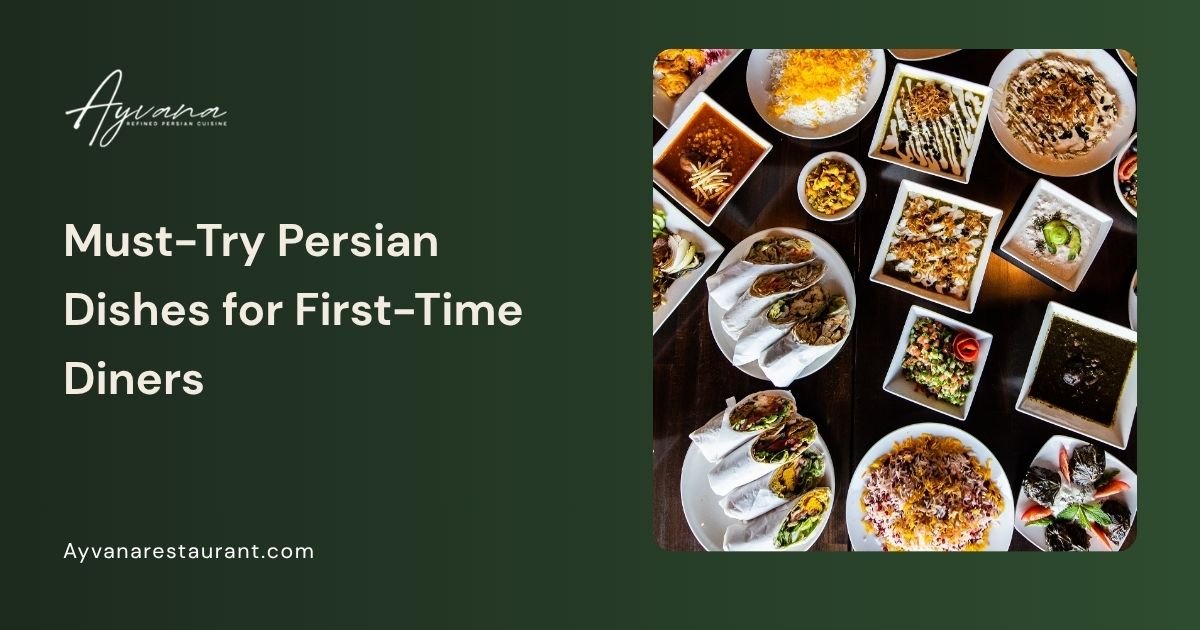
A mixed plate, such as a soltani, can help first-time diners compare different styles in one meal.
Is Persian kebab healthy or heavy?
Persian kebab is generally perceived as a balanced dish, but its overall heaviness depends on how it is served.
The grilling method avoids heavy sauces, which keeps the meat relatively straightforward. However, when combined with rice and butter, the meal can feel more substantial.
Lighter combinations, such as pairing kebab with salad or yogurt-based sides, can create a more balanced experience.
Where to Try Persian Kebab in Tarzana
Reading about Persian kebab provides a clear understanding of its structure and flavor, but experiencing it in a full meal offers more context.
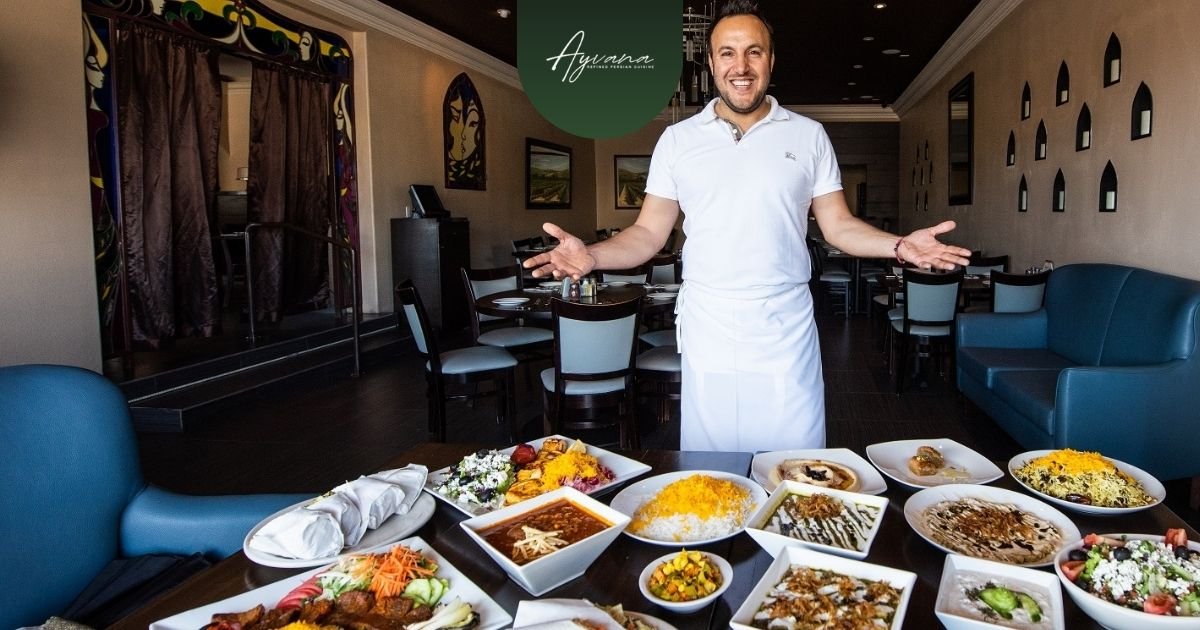
At Ayvana Persian restaurant in Tarzana, different types of kebab are served alongside rice and traditional sides. This allows diners to see how each element works together, from the texture of the meat to the role of accompaniments.
For someone new to Persian cuisine, it provides a practical introduction to the range of kebab styles.