Tahdig is one of the most recognizable and talked-about elements of Persian cuisine. Known for its crisp texture and golden color, it represents a distinctive approach to cooking rice that goes beyond simple preparation.
In this guide, you’ll find a clear explanation of what tahdig is, how it forms, what it tastes like, and why it matters. If you’ve seen it on a menu or heard it described as a highlight of Persian food, this will help you understand exactly what makes it special.
Here is the Quick Answer:
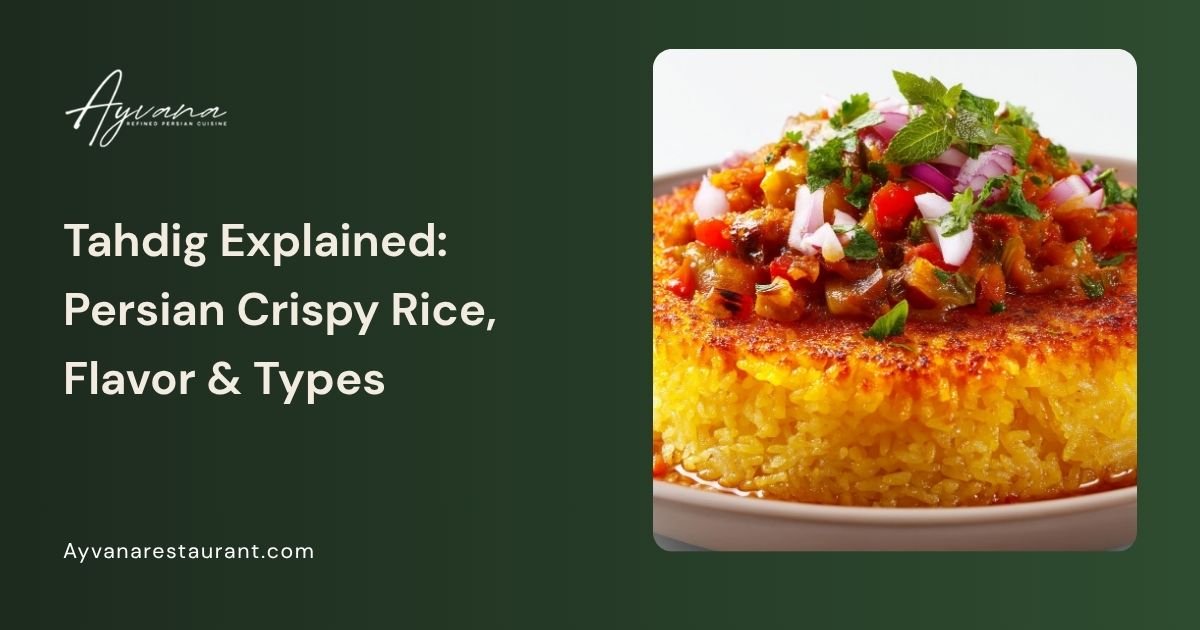
Tahdig is the crispy, golden layer that forms at the bottom of Persian rice during cooking. It is created intentionally through controlled heat and fat, producing a firm, toasted crust that contrasts with the soft rice above. Often served with stews, kebabs, or rice dishes, it is considered one of the most prized parts of a Persian meal.
What is tahdig?
Tahdig refers to the crispy, golden layer that forms at the bottom of a pot of Persian rice during cooking. It is created intentionally through controlled heat and technique, not by accident.
In Persian cuisine, rice is typically cooked so that the grains remain separate and fluffy. Tahdig forms beneath that layer, where the rice comes into contact with oil or butter and direct heat. As the rice steams above, the bottom layer becomes firm, crisp, and lightly toasted.
Rather than being discarded, tahdig is considered one of the most desirable parts of the dish and is often served separately or broken into pieces to share.
Is tahdig just burnt rice?
Tahdig is not burnt rice. The difference lies in control and balance.
Proper tahdig is evenly golden, crisp, and aromatic. Burnt rice, by contrast, is dark, bitter, and uneven. Good tahdig has a clean toasted flavor and a firm crunch without tasting harsh.
The goal is to create a crisp layer that complements the rest of the rice, not to overcook it.

What does tahdig mean in Persian?
The word “tahdig” comes from Persian, where “tah” means “bottom” and “dig” refers to the pot. Together, the term describes the layer at the bottom of the pot.
Understanding the name helps clarify that tahdig is defined by its position and the cooking process that creates it.
Why is tahdig important in Persian cuisine?
Tahdig holds a special place in Persian food culture because it reflects both technique and care.
Rice is central to many Persian meals, and preparing it properly is considered a skill. Achieving a well-formed tahdig shows control over heat, timing, and moisture. It is often associated with home cooking, hospitality, and attention to detail.
At the table, tahdig is often shared and sometimes even reserved for guests, which reflects its status as a prized element of the meal.
How is Persian rice tahdig made?
Tahdig forms as part of the Persian method of cooking rice, which is different from simply boiling rice in water.
After the rice is partially cooked, it is drained and returned to the pot with oil or butter. The heat is then carefully controlled so that the rice steams while the bottom layer crisps.
Steam plays an important role. It keeps the upper rice soft and separate, while direct heat transforms the bottom layer into tahdig. The choice of pot, the amount of fat, and the level of heat all affect the final result.
The process is not just about following steps. It is about managing heat and timing so that two textures develop at once.
What ingredients are used to make tahdig?
Tahdig is built from a small number of ingredients, but each one influences the outcome.
- Rice: Long-grain rice, often basmati, is commonly used because it stays separate and allows the bottom layer to crisp without becoming dense.
- Oil or Butter: Fat is essential for creating the crispy layer. It helps the rice brown evenly and prevents sticking while contributing to flavor.
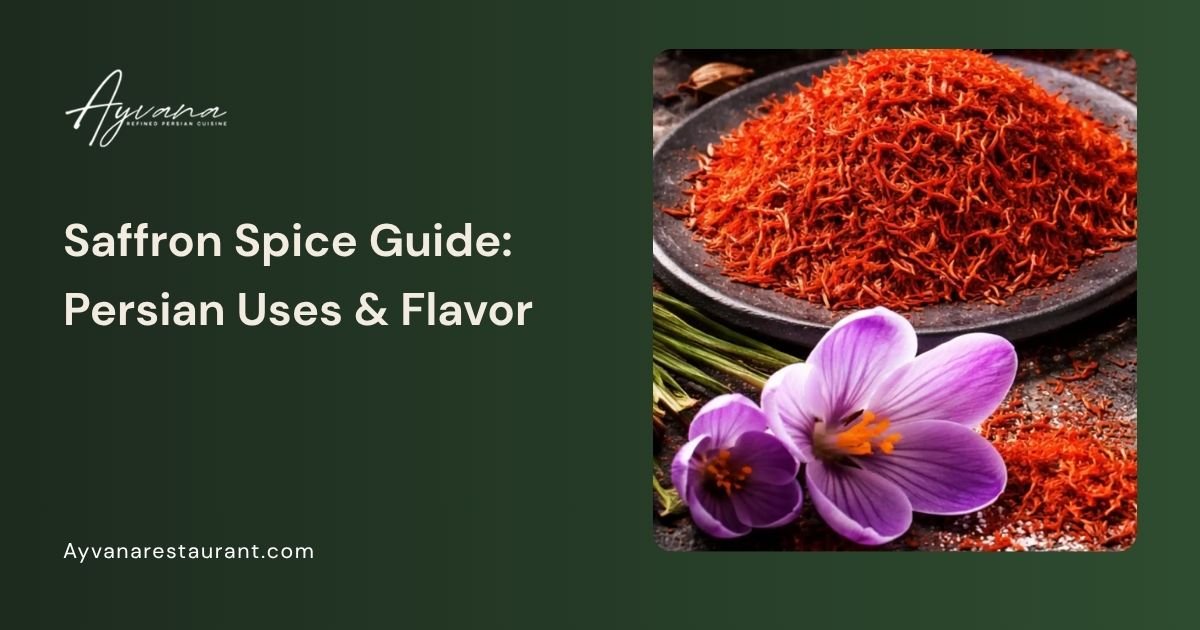
- Saffron: In some preparations, saffron is added to part of the rice before it is placed at the bottom. This gives the tahdig a deeper color and a fragrant note.
- Yogurt: In certain variations, yogurt is mixed with rice to create a slightly thicker and more cohesive crust.
- Bread or Potato: Some versions of tahdig use slices of bread or potato instead of rice at the bottom of the pot. These create a different texture and flavor while still following the same principle.
Each variation changes how tahdig looks, feels, and tastes.
Learn More: Common Ingredients in Persian Cuisine
What does Persian rice tahdig taste like?
Tahdig has a crisp, firm texture with a lightly toasted flavor.
The surface is golden and crunchy, while the interior may be slightly softer depending on how it is prepared. It often has a savory, slightly nutty taste, especially when butter or oil is used.
What makes tahdig distinctive is the contrast it creates. It is served alongside soft, fluffy rice, so each bite combines different textures.

Different types of tahdig in Persian foods
Tahdig can be made in several forms, each with its own character.
- Rice Tahdig: This is the most common type, made directly from the rice itself. It produces a thin, crisp layer with a uniform texture.
- Potato Tahdig: Slices of potato are placed at the bottom of the pot. The result is thicker, with a soft interior and a crisp outer layer.
- Bread Tahdig: Flatbread is used to create a light, crunchy base. It tends to be more delicate and evenly crisp.
- Yogurt or Saffron Tahdig: These variations use additional ingredients to create richer flavor or deeper color. Yogurt can make the crust slightly thicker, while saffron adds aroma and visual contrast.
Why is tahdig so crispy and golden?
The texture and color of tahdig come from the interaction between heat, fat, and moisture.
Direct heat at the bottom of the pot causes the rice or other base to crisp. At the same time, steam rises through the rest of the rice, preventing it from drying out. This separation of heat and steam allows two textures to develop in one dish.
The golden color is influenced by factors such as the type of fat used and whether saffron is added.
What do you eat tahdig with?
Tahdig is usually served as part of a larger meal rather than on its own.
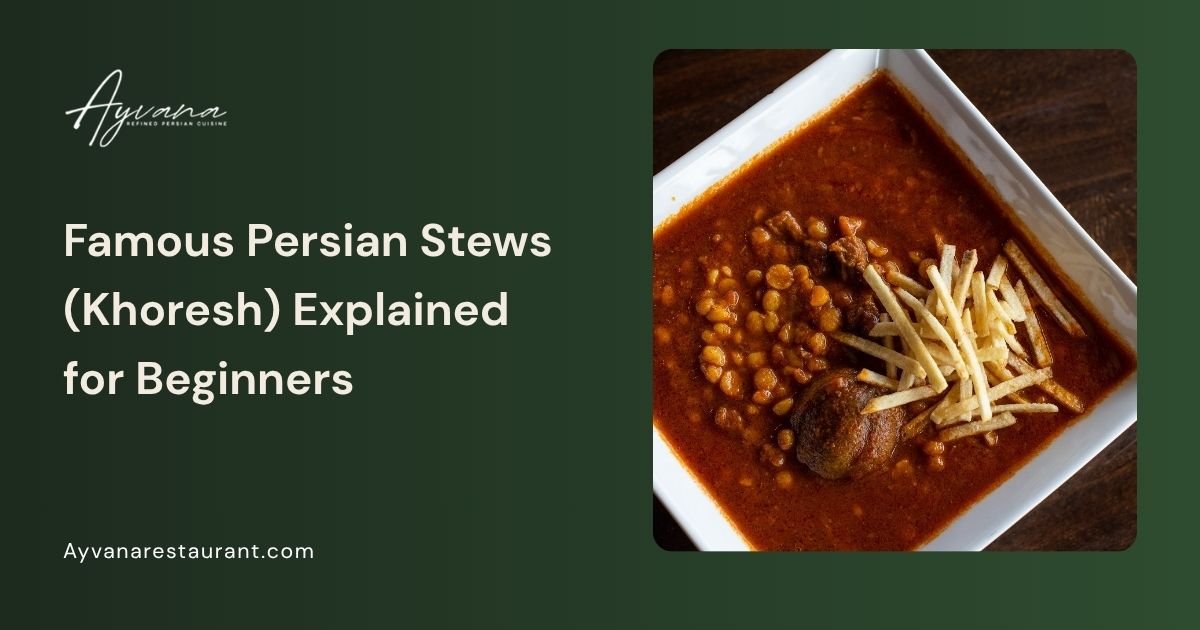
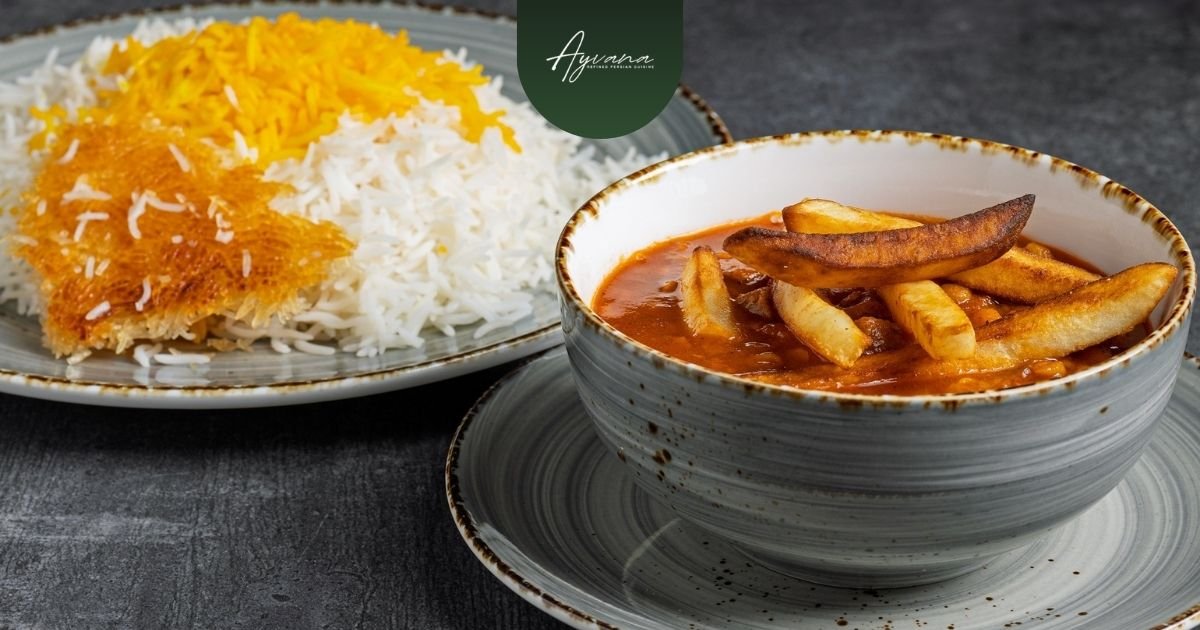
- Tahdig With Persian Stews: It pairs well with stews, like ghormeh sabzi, where the crisp texture contrasts with softer, saucier elements.
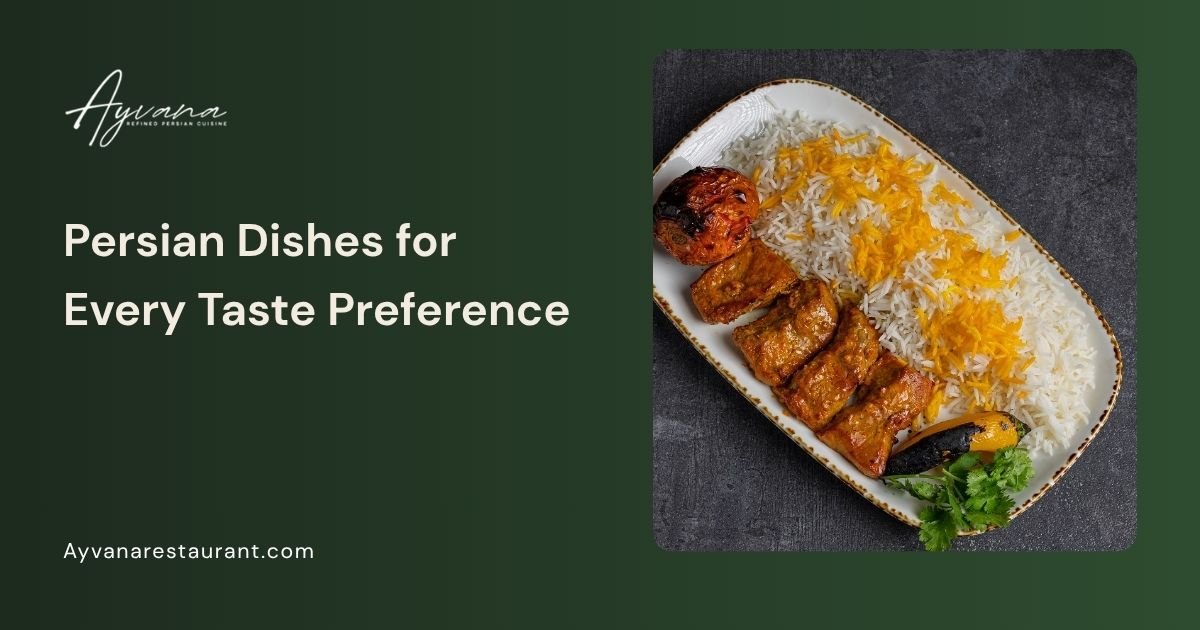
- Tahdig With Kebabs: With grilled meats, tahdig adds a different texture alongside rice and protein.
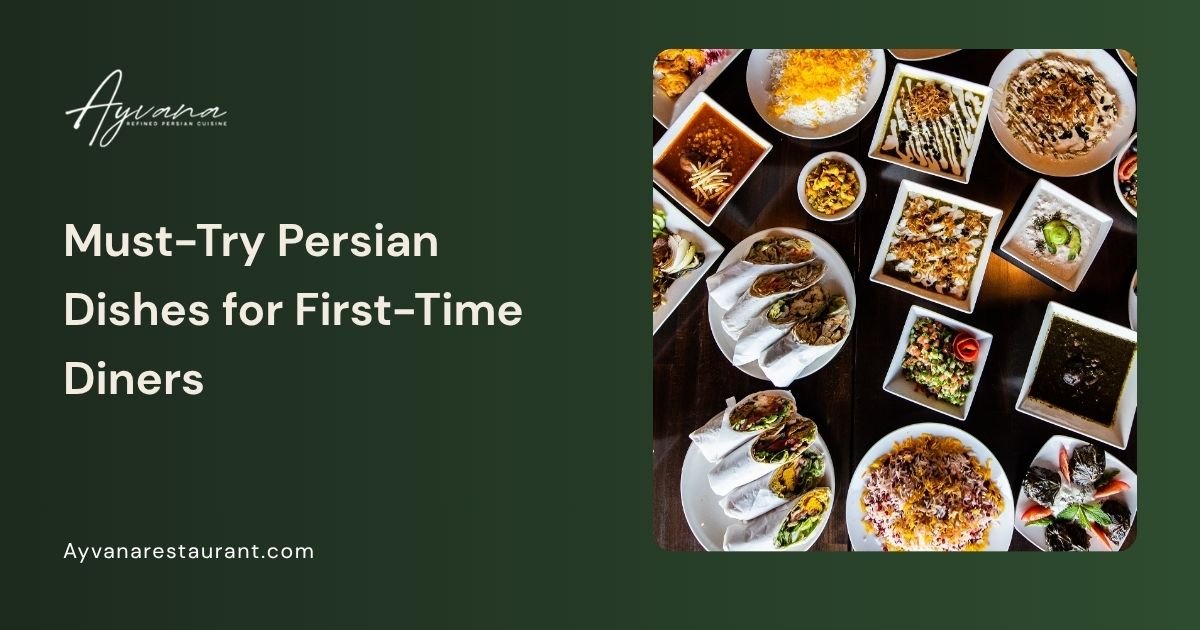
- Tahdig as Part of a Persian Rice Plate: It is often served alongside plain rice, allowing diners to combine textures in each bite.
Is Persian rice tahdig served every day or for special occasions?
Tahdig can appear in both everyday meals and more special settings.
At home, it is often made as part of regular cooking, though it requires attention and technique. In restaurants, it is more consistently available and is often presented as a highlight of the dish.
Its presence reflects both practicality and tradition.
Tahdig vs Other Crispy Rice Dishes
Many cuisines have forms of crispy rice, but tahdig is distinct in how it is created and served.
In Persian cooking, the focus is on achieving a controlled, even layer that is intentionally developed as part of the cooking process. It is not simply a byproduct but a planned feature of the dish.
The combination of fluffy rice above and crisp tahdig below is a defining characteristic.
How Tahdig Fits Into the Persian Dining Experience
Tahdig reflects the broader approach of Persian cuisine, where texture, aroma, and balance are all considered.
It adds contrast to meals that include soft rice, tender meats, and rich stews. It also introduces an element of anticipation, as many diners look forward to the tahdig specifically.
This balance between softness and crispness is part of what makes Persian meals feel complete.

Where to Try Persian Rice Tahdig in Tarzana
Reading about tahdig provides context, but tasting it within a full meal offers a clearer understanding.
At Ayvana Persian restaurant in Tarzana, tahdig appears alongside traditional rice dishes and is part of a broader menu that reflects Persian cooking techniques. Experiencing it with stews or kebabs shows how it functions within the meal rather than as a standalone element.