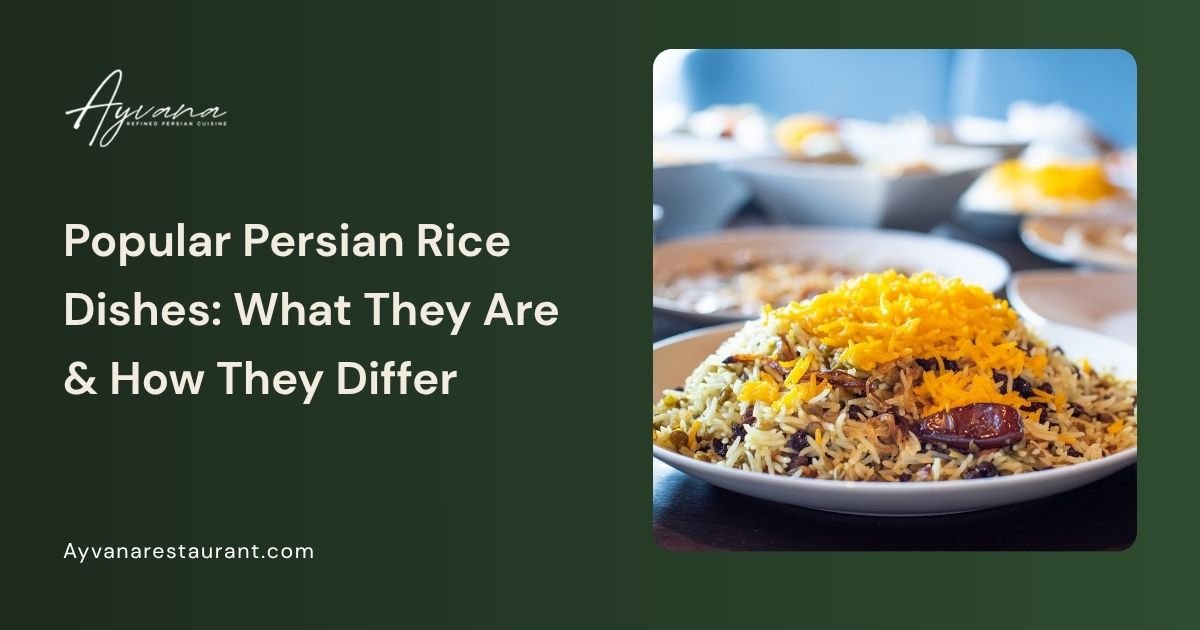
Persian menus can feel unfamiliar at first, especially if you are seeing dish names you have never heard before. Many first-time diners are not sure what to expect from the flavors, how rich or light the dishes will feel, or what they should order for a balanced meal.
The easiest way to approach Persian cuisine is not by memorizing dish names, but by thinking about the kinds of flavors and textures you already enjoy. Persian food is highly diverse, ranging from smoky grilled meats and creamy eggplant dishes to herb-forward stews and rice dishes with sweet-tart contrast. Once you understand those flavor profiles, the menu becomes much easier to navigate.
At Ayvana Persian Restaurant in Tarzana, many of these traditional dishes can be experienced together, making it easier for first-time visitors to explore Persian cuisine confidently. This guide matches common taste preferences with Persian dishes that are most likely to fit them.
Here is the Quick Answer:
Persian cuisine includes a wide range of flavors and textures, making it easier to choose dishes based on what you already enjoy. Diners who prefer smoky grilled foods may enjoy kebabs, while those who like herb-forward or earthy flavors may prefer dishes like ghormeh sabzi. Sweet-and-tangy dishes such as fesenjan and zereshk polo offer a different side of Persian cooking, while creamy eggplant dishes and crispy tahdig add texture contrast. Understanding these flavor profiles can make Persian menus feel far more approachable for first-time visitors.
Quick Guide: What Persian Dish Should You Order Based on Your Taste?
If you are not sure where to start, the easiest approach is to match Persian dishes to flavors and textures you already enjoy. This quick guide can help narrow your options before exploring the menu in more detail.
- If you like smoky grilled flavors → Try kabab koobideh or joojeh kabab
- If you prefer sweet and tangy dishes → Order fesenjan or zereshk polo
- If you enjoy fresh herbs and earthy flavors → Try ghormeh sabzi or baghali ghatogh
- If you like creamy and savory foods → Order kashk-e bademjan or mirza ghasemi
- If you want comforting, familiar meals → Try gheymeh or saffron chicken dishes
- If you enjoy crispy textures → Order tahdig
- If you prefer lighter, refreshing dishes → Try Shirazi salad or sabzi khordan
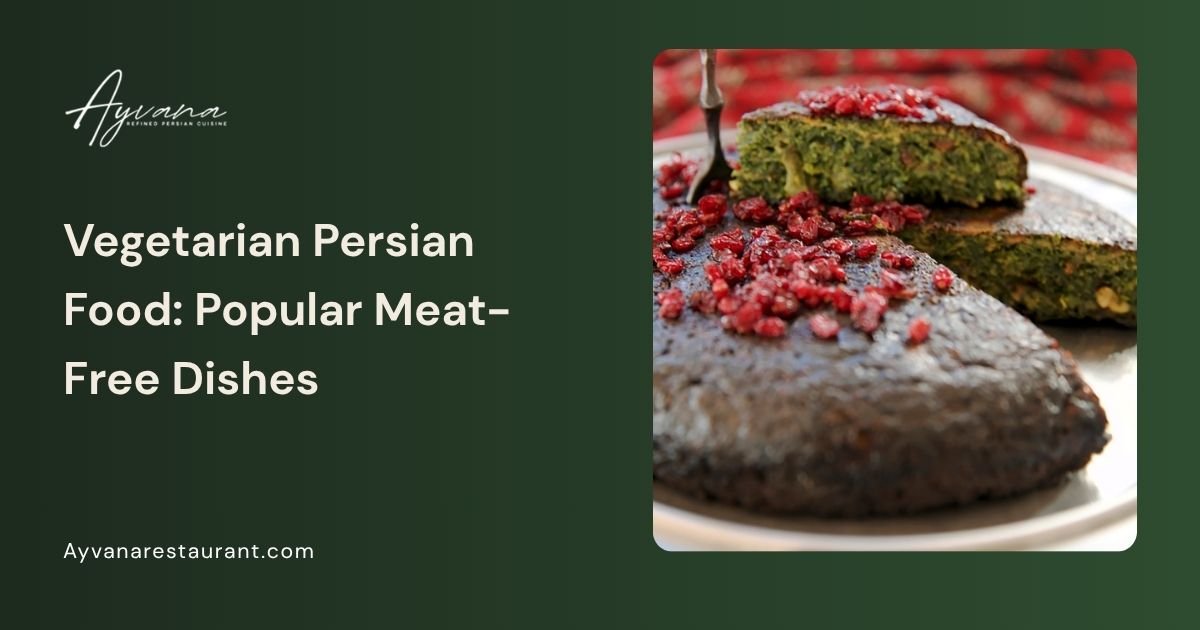
- If you want vegetarian options → Order kuku sabzi or adas polo, both commonly featured in vegetarian Persian food
How to Pick the Right Persian Dish Based on Your Taste
Persian cuisine is built around balance rather than extreme flavor. Instead of relying heavily on spice or heat, many dishes combine herbs, saffron, sour ingredients, smoke, and gentle sweetness in different proportions.
This is one reason Persian food can feel difficult to describe at first. Two dishes may both contain rice and meat but taste completely different because one emphasizes herbs and acidity while another leans toward sweetness and richness.
Ingredients such as saffron, pomegranate, yogurt, herbs, and dried lime shape much of the cuisine’s identity. Many of these are explained in more detail in our guides on common ingredients in Persian cuisine and Persian spices.
For beginners, choosing dishes based on flavor preference is often more useful than choosing based on names alone. If you already know you enjoy smoky foods, herb-heavy meals, creamy textures, or sweet-and-savory combinations, you can use those preferences to guide your order confidently.
Persian food is also generally mild rather than spicy. The focus is usually aroma, texture, and layered flavor rather than heat.
If You Like Sweet and Tangy Flavors: Best Persian Dishes to Try
One of the most distinctive aspects of Persian cuisine is its use of sweet-and-sour balance. Instead of separating those flavors, many traditional dishes intentionally combine them to create depth and contrast.
Fesenjan
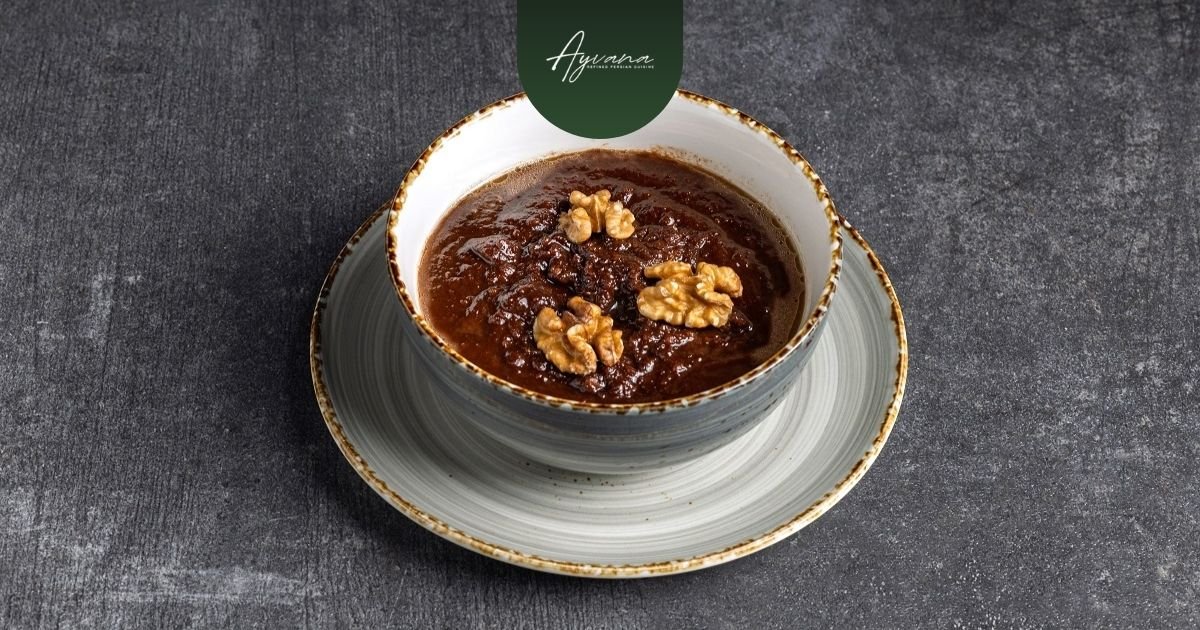
Fesenjan is a slow-cooked stew made with ground walnuts and pomegranate. The flavor is rich, slightly sweet, slightly tangy, and deeper than many first-time diners expect. The walnuts give the stew body and texture, while the pomegranate adds brightness and acidity.
People who enjoy dishes that combine savory richness with fruity elements often connect with fesenjan quickly. It feels comforting but also noticeably different from more straightforward meat dishes.
Zereshk Polo
Zereshk polo combines saffron rice with tart barberries, often served alongside chicken. The rice itself is fragrant and mild, while the berries create small bursts of acidity that keep the dish feeling light.
For first-time visitors, it is often one of the easiest ways to experience Persian sweet-tart flavor combinations without moving too far outside familiar territory.
Shirin Polo
Shirin polo leans more noticeably toward sweetness, often incorporating candied citrus peel, nuts, or dried fruit into saffron rice. Despite the sweeter profile, the dish still remains balanced rather than dessert-like.
It tends to appeal most to diners who already enjoy savory dishes with fruit or subtle sweetness.
What American or California dishes are similar?
These dishes are often easiest to understand through familiar flavor combinations. The sweet-and-savory contrast found in Persian cuisine can feel similar to cranberry sauces served with roasted meats, barbecue sauces that balance sweetness with acidity, or glazed meat dishes that combine fruit with savory flavors.
The difference is that Persian cuisine usually approaches these contrasts more gently, with greater emphasis on aroma, balance, and slow-developed depth rather than bold sweetness alone.
If You Prefer Fresh, Earthy, and Herb-Forward Dishes
Herbs play a much larger role in Persian cuisine than many first-time diners expect. In some dishes, herbs are not garnish or background flavor. They are the foundation of the meal.
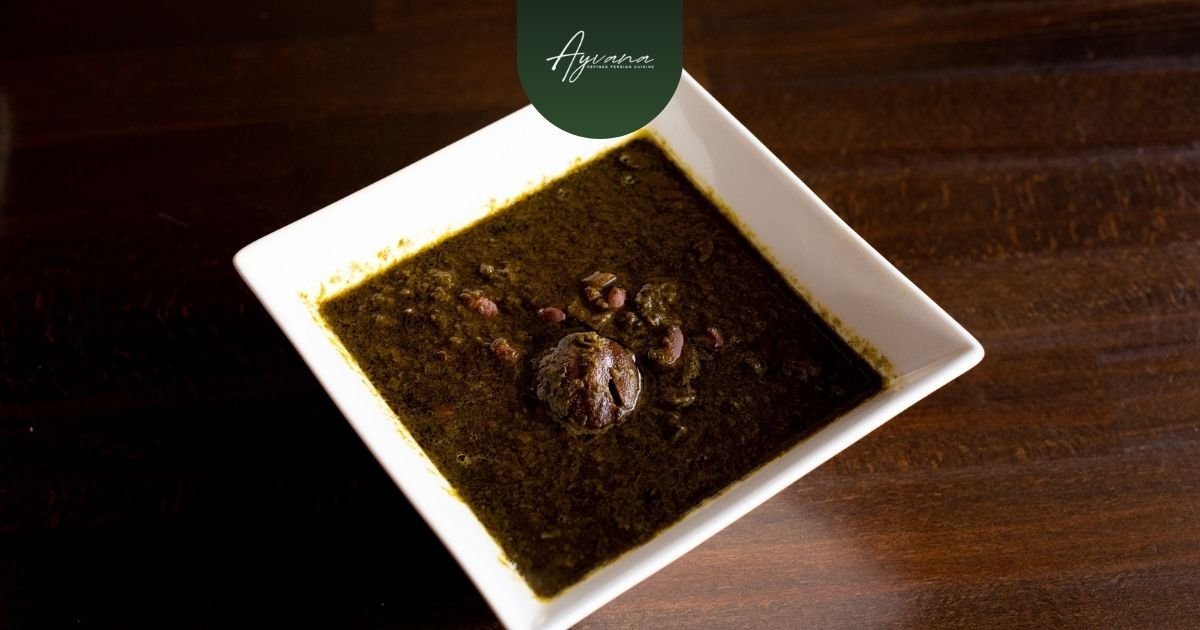
Ghormeh Sabzi
Ghormeh sabzi, a traditional Persian herb stew, combines parsley, cilantro, fenugreek, beans, meat, and dried lime into a dish that feels earthy, aromatic, and slightly tangy at the same time.
The flavor develops gradually rather than immediately. Diners who enjoy fresh herbs, earthy flavors, or slow-cooked meals often appreciate it more with each bite.
Baghali Ghatogh
Baghali ghatogh is a Northern Persian dish made with fava beans, dill, garlic, and eggs. Compared to heavier stews, it feels lighter and greener, with the dill providing freshness throughout the dish.
It appeals especially to diners who enjoy vegetable-forward cooking and softer herbal flavors.
Sabzi-Based Dishes
Many Persian dishes built around herbs and greens share a similar character: fresh, aromatic, earthy, and balanced rather than aggressive.
What foods taste similar?
These dishes often feel familiar to people who already enjoy Mediterranean herb-based cooking, farm-to-table California cuisine, or fresh green sauces and herb-forward salads. The main difference is the depth created through slow cooking and the much larger quantity of herbs typically used in Persian cuisine, which gives the dishes a more earthy and layered flavor profile.
Enjoy Smoky, Creamy, and Savory Foods? Best Persian Dishes to Order
Smoke and creaminess appear frequently in Persian appetizers and grilled dishes, especially those involving eggplant or charcoal grilling.
Mirza Ghasemi
Mirza ghasemi is a smoky eggplant dish mixed with garlic and tomato. The eggplant is traditionally grilled before being combined with the other ingredients, which gives the dish a deep roasted flavor.
The texture is soft and rustic rather than smooth, making it especially appealing to diners who enjoy grilled vegetables or smoked foods.
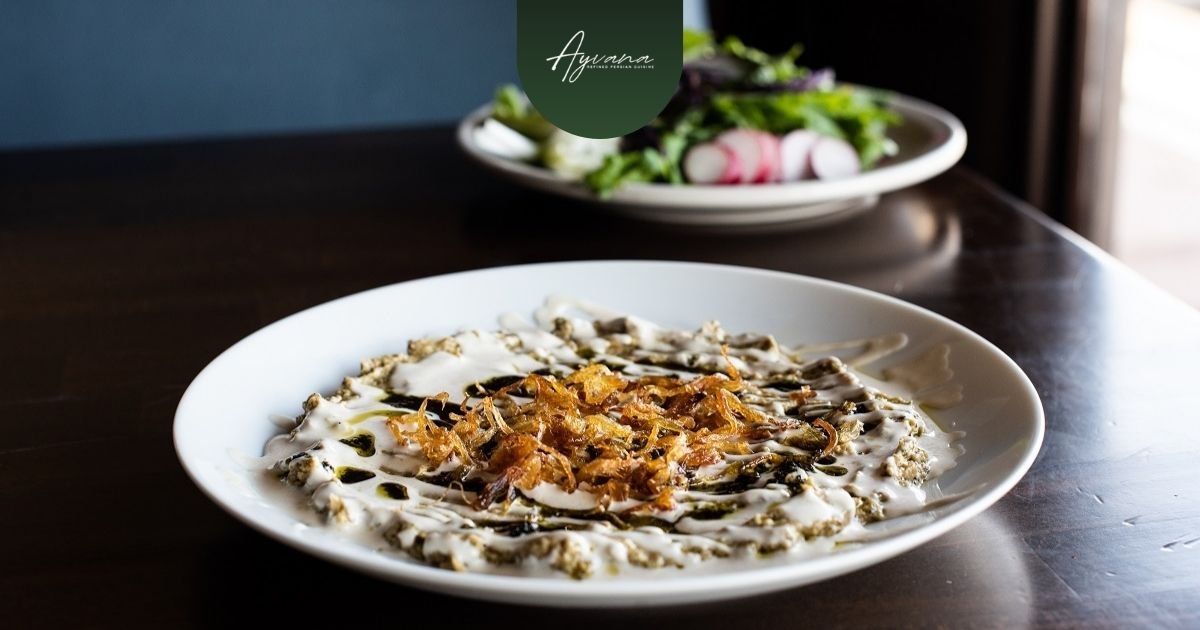
Kashk-e Bademjan
Kashk-e bademjan is creamier and richer, made with cooked eggplant, onion, garlic, and kashk, a fermented dairy ingredient that adds tang.
Served warm with bread, it feels comforting and savory in a way that often reminds diners of rich dips or spreadable appetizers.
What American or California dishes are similar?
These dishes are sometimes compared to smoky barbecue flavors, roasted vegetable dips, and creamy spreads made with charred vegetables. The similarity comes from the use of smoke, garlic, and slow-cooked savory depth. Persian versions, however, usually rely more heavily on aromatic balance and layered flavor rather than bold seasoning alone.
If You Want Comforting, Meaty, and Familiar Meals
Some Persian dishes feel especially approachable because they align closely with familiar comfort foods while still introducing Persian flavors gradually.
Kababs
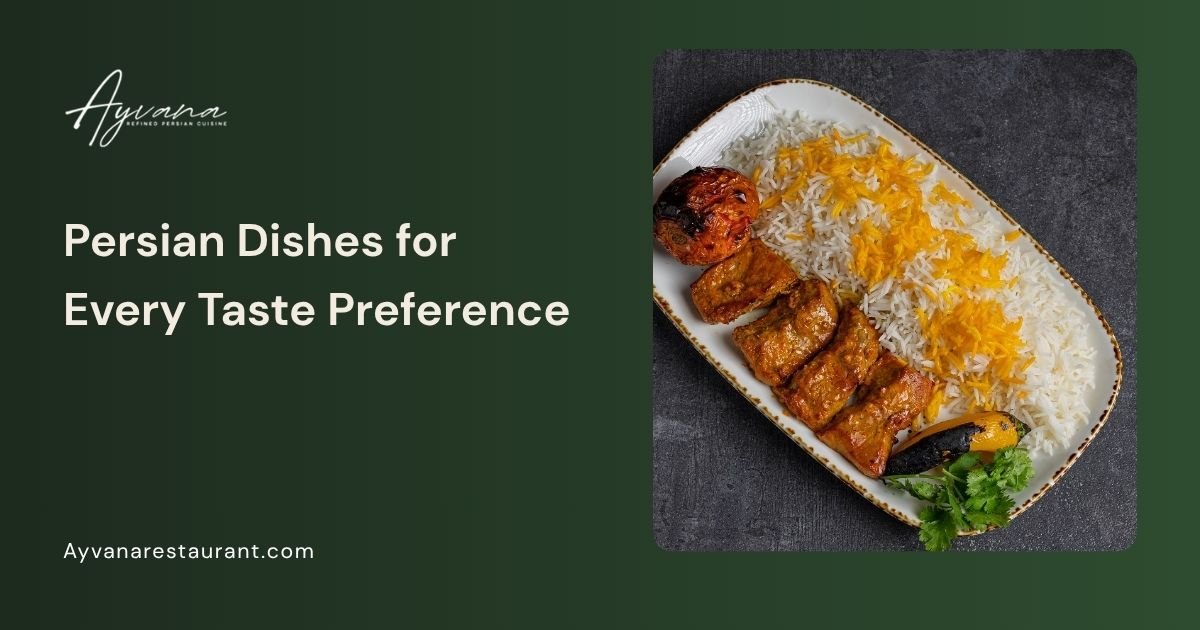
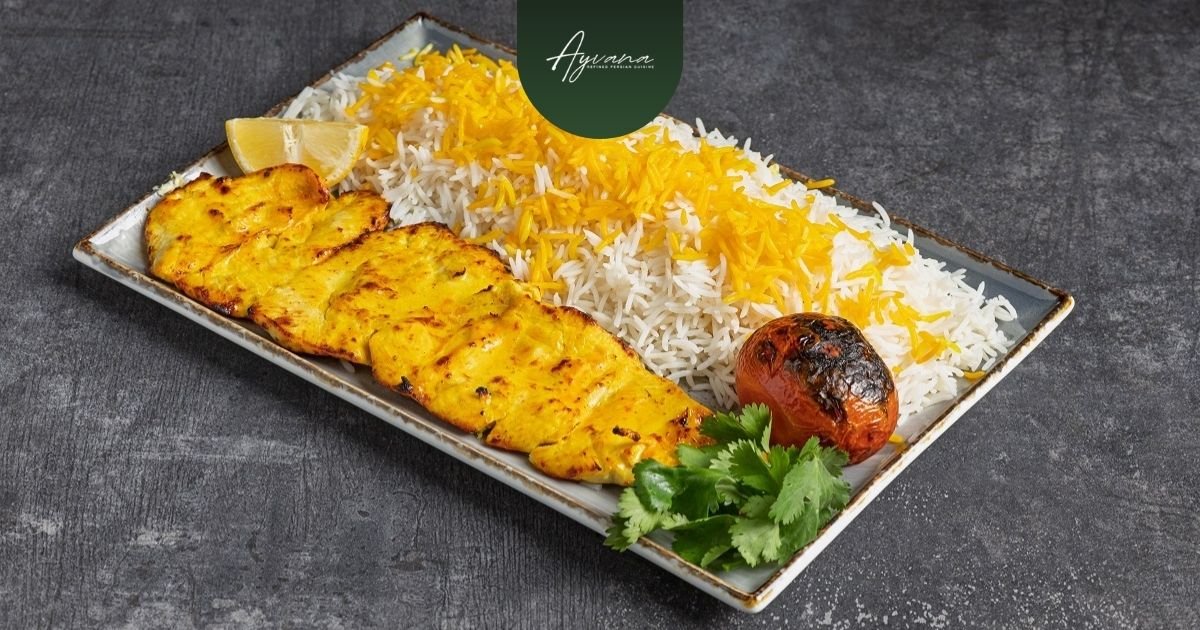
Persian kebabs are often the safest starting point for beginners. Compared to heavily spiced grilled meats in some cuisines, Persian kebabs focus more on charcoal flavor, meat quality, saffron, and balance.
Served with rice, grilled tomatoes, herbs, and yogurt-based sides, they create a meal that feels filling but not overly heavy.
Gheymeh
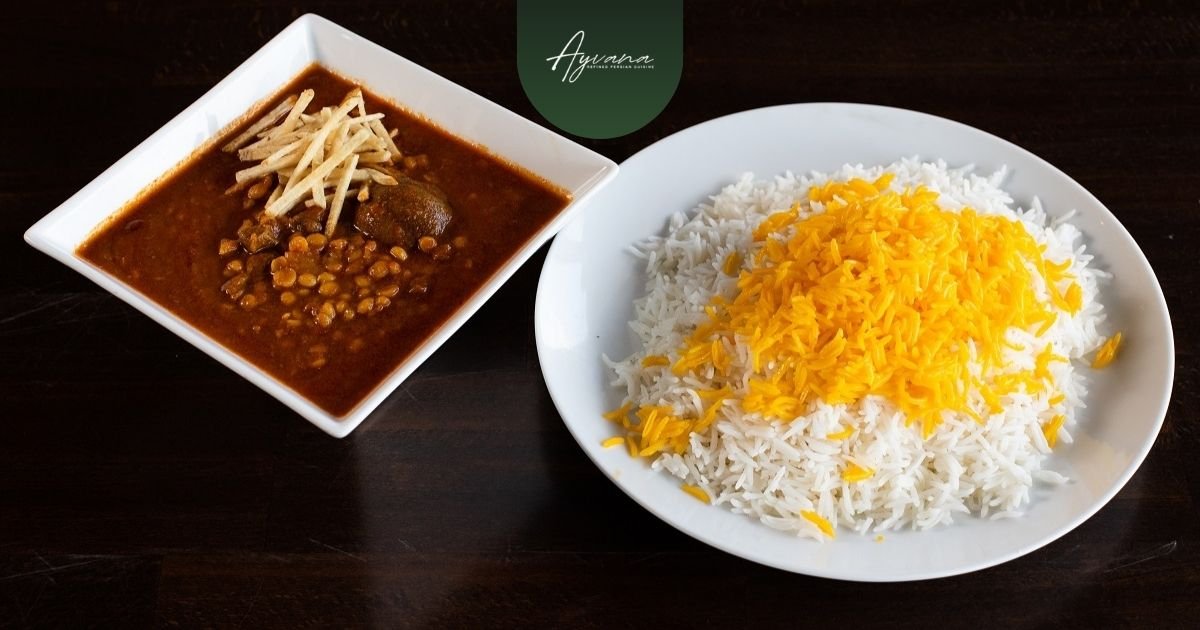
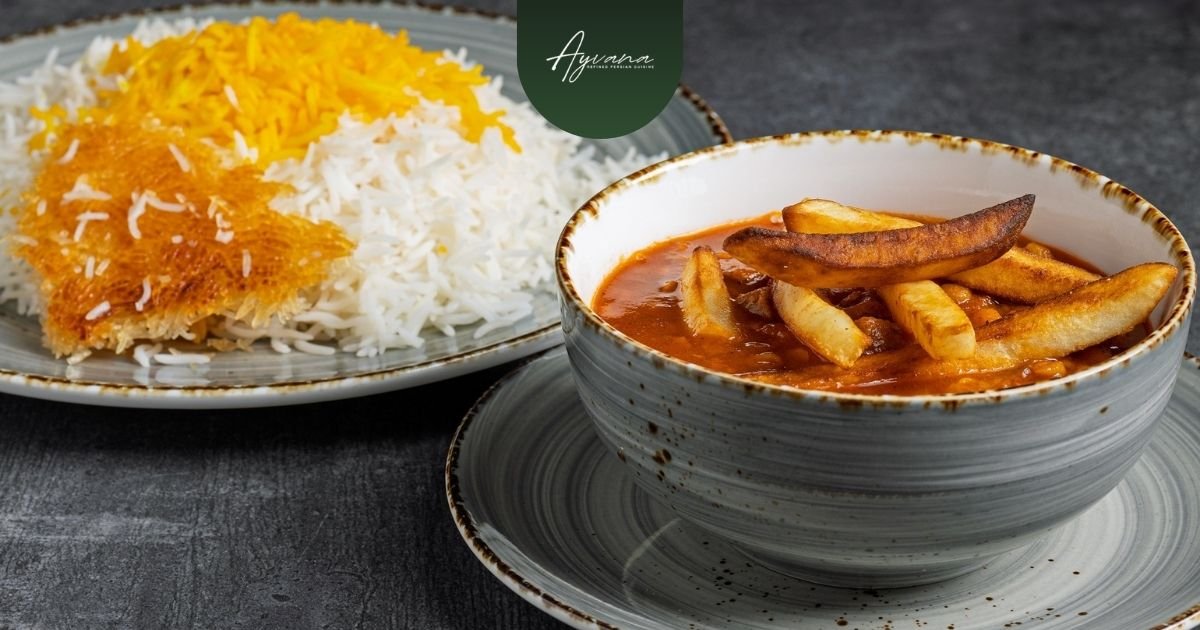
Gheymeh is a slow-cooked stew made with split peas, tomato, meat, and dried lime. Compared to herb-heavy stews like ghormeh sabzi, gheymeh feels more directly savory and comforting.
The texture is soft and hearty, making it especially appealing during cooler weather or for diners who prefer richer meals.
Chicken Dishes
Chicken-based dishes such as joojeh kabab are often ideal for cautious first-time diners because the flavors remain light, aromatic, and easy to understand.
What American comfort foods are similar?
These dishes can feel similar to roasted meat meals, home-style stews, or grilled chicken plates that emphasize warmth and familiarity. The difference is that Persian cuisine typically adds more aromatic elements such as saffron, herbs, and gentle acidity, creating flavors that feel more layered and balanced rather than purely rich or savory.
Choosing Persian Food Based on Texture Preferences (Crunchy, Soft, Creamy)
Texture is one of the most overlooked parts of ordering Persian food, but it shapes the experience just as much as flavor.
Tahdig
Tahdig, the crispy rice layer formed at the bottom of the pot, is one of the most sought-after textures in Persian cuisine. It provides crunch and richness that contrasts with the softer rice above it.
For many first-time visitors, tahdig becomes one of the most memorable parts of the meal because of that contrast.
Creamy Dishes
Dishes such as kashk-e bademjan and mast-o-mosir create softer, creamier textures that help balance grilled meats and rice.
Tender Slow-Cooked Dishes
Stews such as ghormeh sabzi or gheymeh create softer textures through slow cooking, allowing the flavors to feel deeper and more integrated.
What American foods have similar textures?
The texture contrasts in Persian cuisine can feel similar to crispy potatoes or other crisped rice dishes, creamy dips and spreads, or tender braised meats that soften through slow cooking. The difference is that Persian meals often bring several of these textures together within the same dining experience, creating contrast between crunchy, soft, creamy, and tender elements across the table.
Essential Components to Customize Your Persian Meal
A full Persian meal is not built around just one dish. Rice, sides, herbs, salads, and bread all shape the final experience.
Choosing the Right Rice (Chelo vs Polo)
Chelo refers to plain Persian rice served alongside kebabs or stews. The grains are light, separate, and aromatic, designed to absorb the flavors of the main dish.
Polo refers to mixed rice dishes that include herbs, beans, fruits, or other ingredients. These dishes are usually more flavorful on their own and often feel more complete without additional components.
Chelo works best when you want the main dish to remain the focus, while polo is ideal when you want the rice itself to contribute more flavor and texture.
Popular Persian Sides (Mast-o-Mosir and More)
Yogurt-based sides such as mast-o-mosir help cool and balance richer dishes. Their tanginess works particularly well with grilled meats and saffron rice.
These sides also add contrast to meals that might otherwise feel too warm or savory throughout.
Persian Salads Like Shirazi Salad
Shirazi salad combines cucumber, tomato, onion, and lemon juice into a crisp, acidic side dish that cuts through heavier flavors.
Because Persian meals often include grilled meats and rice, the freshness of the salad helps maintain balance across the table.
Traditional Bread and Herb Platters (Sabzi Khordan)
Sabzi khordan consists of fresh herbs, greens, and bread served alongside the meal. It adds freshness and encourages diners to combine bites rather than eat dishes separately.
For many Persians, this combination of herbs, bread, and main dishes is central to the dining experience itself.
Beginner-Friendly Persian Dishes to Try First
For first-time diners who want the safest and most approachable options, these dishes are usually the easiest starting point:
- kabob koobideh for smoky grilled flavor
- joojeh kabab for lighter saffron-marinated chicken
- zereshk polo for sweet-tart rice balance
- tahchin for crisp and soft rice textures
- Shirazi salad for freshness
- mast-o-mosir for creamy contrast
Together, these dishes create a balanced introduction to Persian cuisine without relying on unfamiliar or highly intense flavors.
How to Read a Persian Menu Like a Pro
Understanding a few common menu terms can make Persian restaurants feel much easier to navigate:
- kebab → grilled meat dishes
- khoresh → slow-cooked Persian stew
- chelo → plain rice
- polo → mixed rice dishes
- tahdig → crispy rice layer
- doogh → yogurt-based drink
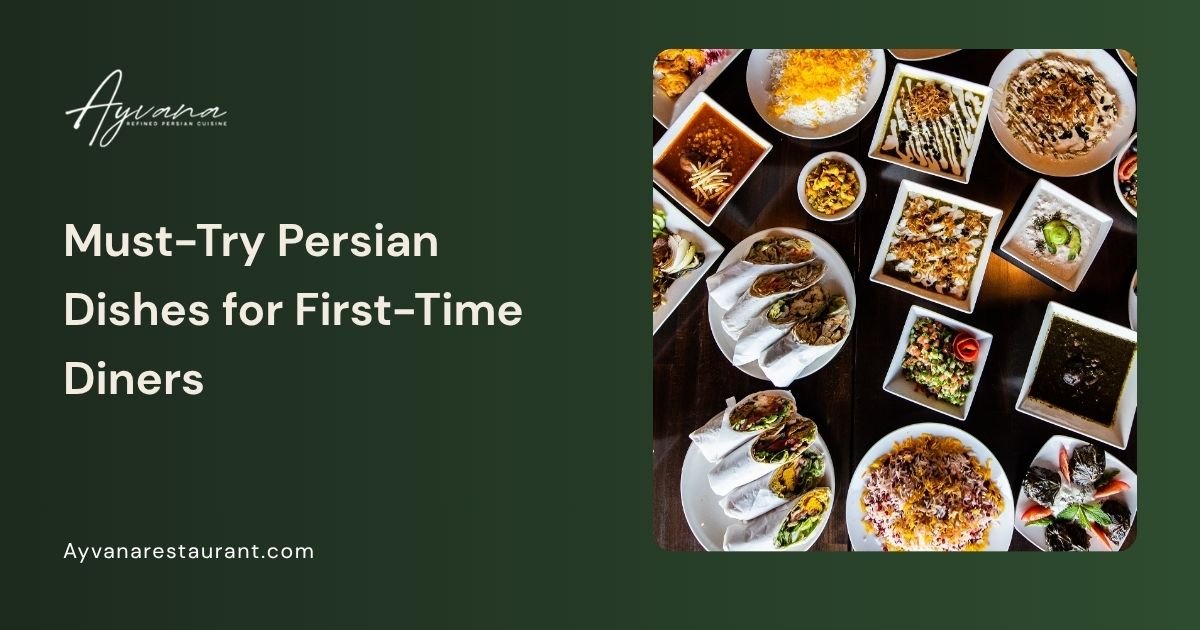
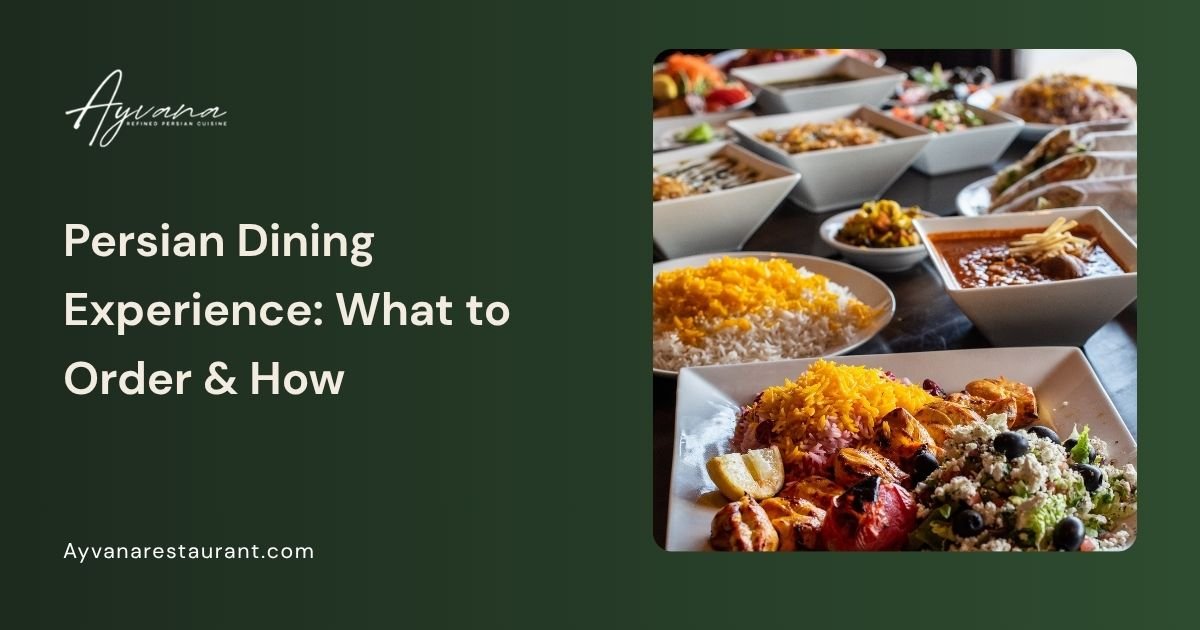
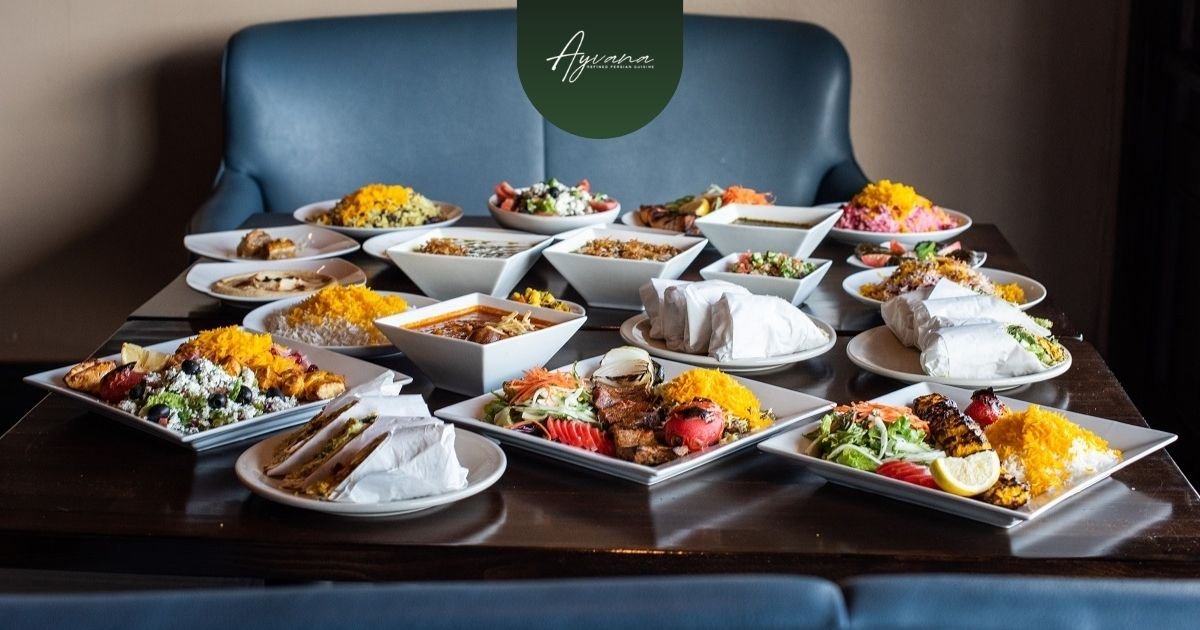
Many Persian meals are also designed around sharing rather than individual entrées, which is why tables often include several dishes at once.
Where to Try These Persian Dishes in Tarzana, CA
Trying Persian cuisine in the right setting makes a significant difference, especially for beginners. A restaurant that presents dishes as part of a balanced meal helps diners understand how flavors, textures, rice, sides, and drinks are meant to work together.
At Ayvana Persian Restaurant in Tarzana, many of the dishes discussed above are available in a setting designed to make first-time dining feel approachable rather than overwhelming. The variety of appetizers, kebabs, rice dishes, stews, and sides allows diners to experience a full Persian dining experience within a single meal.
Final Tips for Ordering Persian Food with Confidence
- Order a mix of textures and flavors
- Share dishes rather than ordering individually
- Include rice as part of the meal
- Ask staff for recommendations if unsure
- Combine bites instead of eating dishes separately
- Start with familiar flavors, then try something more adventurous