Trying Persian food for the first time can feel a little overwhelming. Menus often include unfamiliar names, and many dishes do not clearly explain what they taste like or how they are traditionally eaten. For first-time visitors, the challenge is usually not finding good food, but knowing where to start.
The good news is that Persian cuisine is highly approachable once you understand its structure. The flavors are balanced rather than extreme, meals are designed around variety and sharing, and many dishes combine familiar ingredients with unique preparation techniques. This guide explains what Persian food is, which dishes are best for beginners, and how to order confidently for a complete first experience.
Here is the Quick Answer:
Persian cuisine is known for balanced flavors, fragrant rice, herbs, saffron, and slow-cooked dishes rather than heavy spice or heat. For first-time visitors, kebabs such as koobideh or joojeh are often the easiest starting point, while rice dishes, appetizers, and stews help create a fuller experience. Ordering a mix of dishes to share is usually the best way to experience Persian food for the first time.
What is Persian cuisine?
Persian cuisine is a style of cooking built around balance, aroma, and layered flavor. Instead of relying heavily on spice or heat, it uses herbs, saffron, rice, slow cooking, and sour elements such as dried lime or pomegranate to create depth.
Rice plays a central role in many meals, often prepared with careful technique to achieve light, separate grains and a crisp layer known as tahdig. Herbs are also used extensively, not just as garnish but as a major part of the flavor structure. Many dishes combine savory, sour, and slightly sweet elements in a controlled way that feels rich without becoming overwhelming.
Compared to some neighboring cuisines, Persian food is generally less spicy and less aggressive in flavor. The meals tend to feel balanced and aromatic rather than heavy.
Many of these core ingredients and flavor elements are explained in more detail in our guides on common ingredients in Persian cuisine and Persian spices.
Why Persian Cuisine Is Perfect for First-Time Visitors
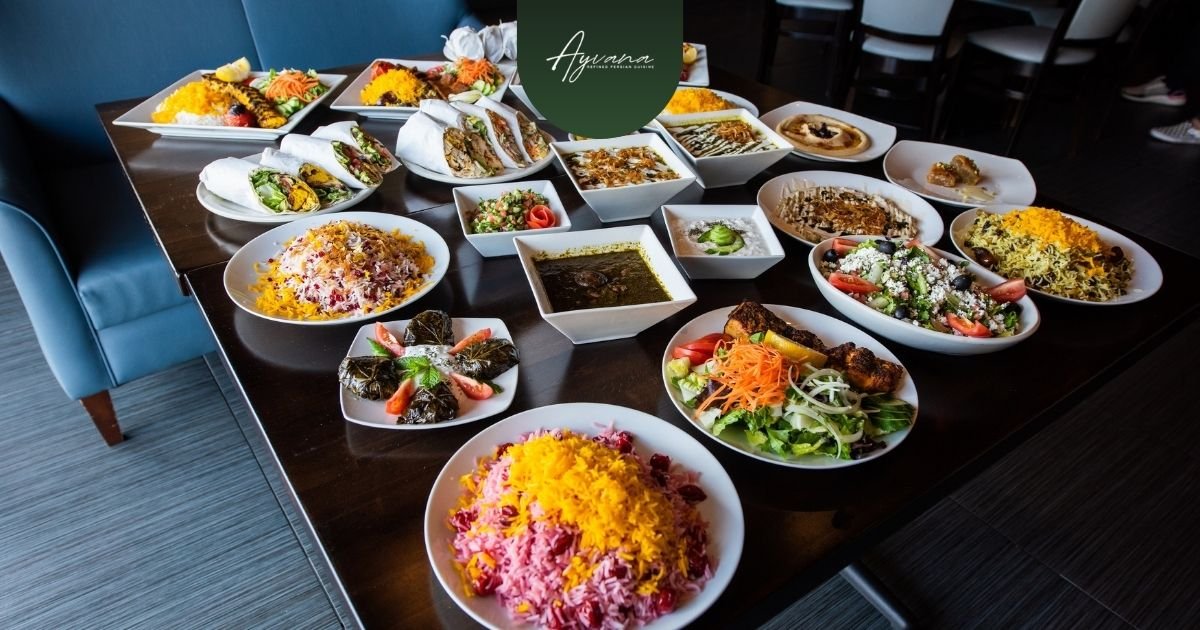
Persian food is often easier for beginners than many people expect. A lot of the cuisine is built around grilled meats, rice, vegetables, yogurt, and herbs, which makes the flavors feel approachable even when the names on the menu are unfamiliar.
Another reason Persian cuisine works well for first-time diners is the variety within a single meal. A table may include smoky grilled kebabs, herb-filled rice dishes, tangy salads, yogurt-based sides, and slow-cooked stews, all designed to complement one another. This creates a dining experience that feels balanced rather than overwhelming.
The cuisine also gives diners room to explore gradually. Some dishes are rich and comforting, while others feel lighter and fresher. That flexibility makes it easier to build a first meal that matches your own preferences without feeling pressured to order something too unfamiliar.
How to Choose the Best Persian Dishes as a Beginner
The easiest way to approach a Persian menu is to think about the kinds of flavors and textures you already enjoy.
If you usually prefer grilled dishes and cleaner flavors, kebabs are often the safest place to start. If you enjoy slow-cooked comfort food with deeper flavor, Persian stews (khoresh) provide a more traditional introduction to the cuisine. Rice dishes tend to sit somewhere in the middle, offering fragrant flavors and layered textures without feeling too heavy.
Texture matters just as much as flavor. Some dishes are soft and herb-forward, while others are smoky, crisp, or rich from slow cooking. Thinking about those preferences beforehand makes the menu feel much easier to navigate.
For first-time visits, it also helps to think in terms of balance rather than individual plates. Ordering one grilled dish, one rice dish, a side, and perhaps a stew usually creates a better experience than choosing a single large entrée. Persian meals are designed to work together, and many flavors become clearer when combined at the table.
Best Persian Dishes for Beginners
The best beginner dishes are usually the ones that introduce Persian flavors gradually while still feeling approachable and satisfying. A good first meal often combines grilled dishes, rice, lighter appetizers, and one deeper traditional flavor such as a stew.
Popular Kebabs for Beginners
Persian kebabs are often the easiest introduction to the cuisine because the flavors feel familiar while still reflecting Persian cooking techniques and ingredients.
Kabob Koobideh
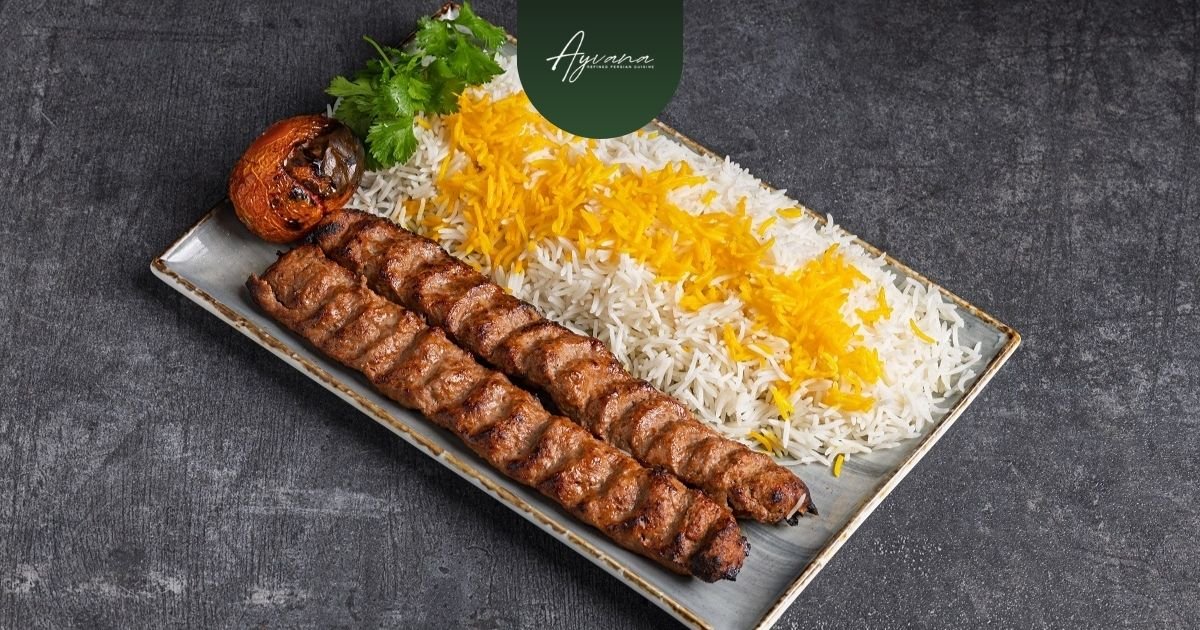
Kabob koobideh, one of the most recognized types of Persian kebab, is made from seasoned ground meat shaped onto skewers and grilled over open flame.The flavor is smoky and savory, but the seasoning itself is relatively restrained compared to heavily spiced kebabs found in some neighboring cuisines. The focus is more on the quality of the meat, the aroma of the grill, and the balance created by the rice and sides served alongside it.
For first-time visitors, koobideh works well because it feels recognizable without becoming generic. It is usually served with saffron rice, grilled tomato, and fresh herbs, creating a meal that is filling but still balanced. It also pairs naturally with sides such as Shirazi salad or yogurt-based dishes, which help brighten the richness of the meat.
Joojeh Kabab
Joojeh kabab is chicken marinated with saffron and lemon before being grilled. Compared to koobideh, the flavor is lighter and more aromatic, with the saffron adding fragrance rather than heaviness.
This dish tends to appeal to diners who prefer cleaner flavors or lighter meats. The citrus and saffron combination gives the chicken a brightness that feels approachable even for people completely unfamiliar with Persian cuisine. Served with rice and grilled vegetables, it creates a meal that is simple, balanced, and easy to enjoy on a first visit.
As explored in our guide on wine pairing with Persian food, white wines and yogurt-based drinks such as doogh pair particularly well with joojeh kabab because they complement the lighter flavor profile without overpowering it.
Must-Try Persian Stews (Khoresh) for Beginners
Persian stews are slower, richer, and more layered than kebabs. They are often the dishes that give diners a deeper understanding of Persian home-style cooking.
Ghormeh Sabzi
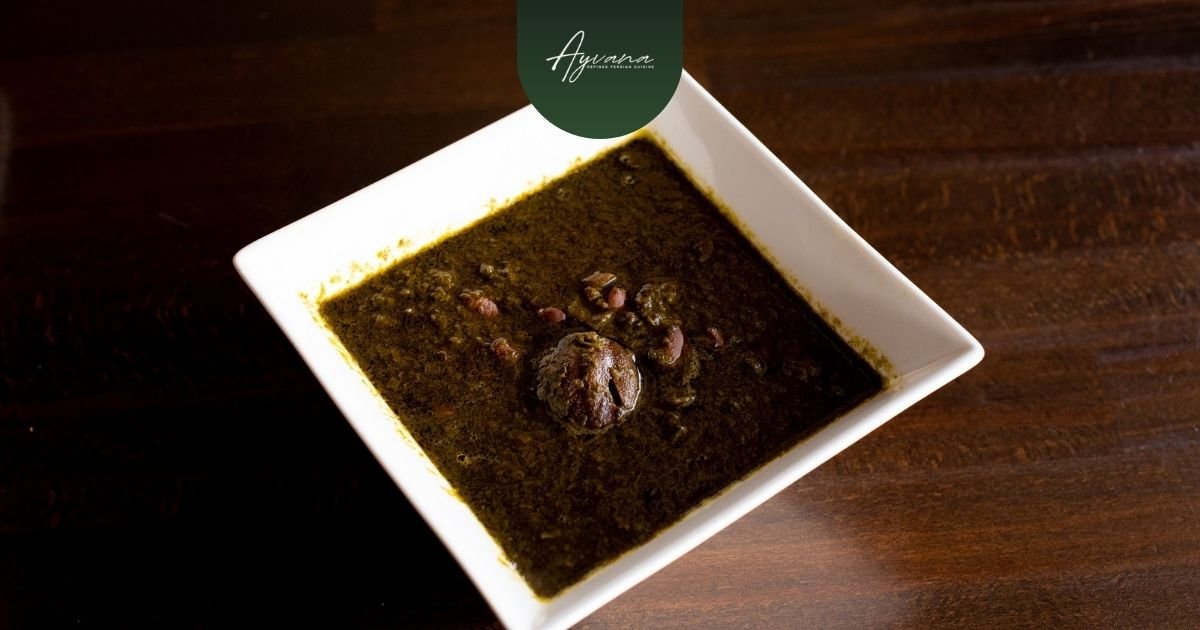
Ghormeh sabzi, a traditional Persian herb stew, is one of the most recognized Persian dishes and is often considered a national favorite. The stew combines herbs such as parsley, cilantro, and fenugreek with beans, meat, and dried lime, creating a flavor that is earthy, aromatic, and slightly tangy at the same time.
For beginners, ghormeh sabzi works best as a second step after trying kebabs or rice dishes. The flavor is more distinctive and herb-forward, but it remains balanced rather than aggressive. Served with plain Persian rice, the stew becomes much more approachable because the rice softens and absorbs the stronger herbal notes.
The dish is especially rewarding for diners who enjoy slow-cooked comfort foods and layered flavors that develop gradually while eating.
Fesenjan
Fesenjan is a stew made with ground walnuts and pomegranate, creating a flavor profile that combines richness with gentle sweetness and acidity. The texture is thick and smooth, while the flavor feels deeper and slightly more unusual than many other Persian dishes.
Even though it is distinctive, fesenjan can still work well for beginners because the sweet-and-sour balance makes the dish memorable without making it difficult to enjoy. Diners who appreciate foods with contrast, especially dishes that combine savory and fruity notes, often connect with it quickly.
Served with saffron rice, fesenjan becomes more balanced and less intense, which is why it is commonly enjoyed as part of a larger shared meal rather than on its own.
Best Persian Rice Dishes to Try First
Rice is not just a side dish in Persian cuisine. In many meals, it acts as the foundation that connects everything else together. Many of the styles and techniques behind these dishes, from mixed rice preparations to tahdig, appear across different Persian rice dishes served throughout Persian cuisine.
Zereshk Polo
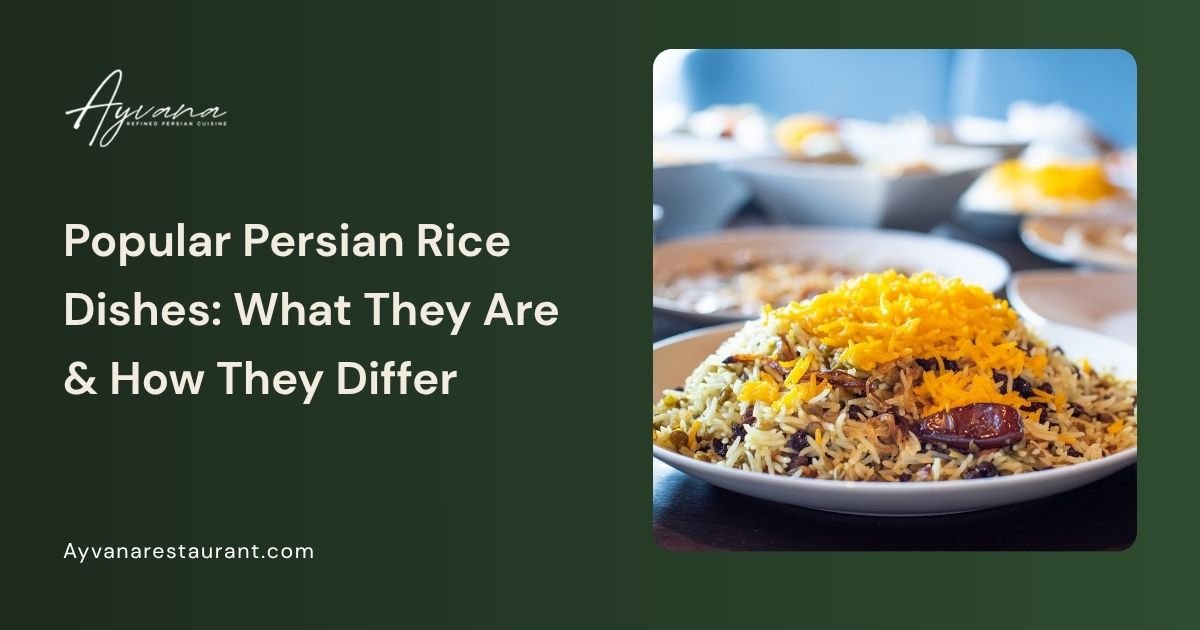
Zereshk polo combines saffron rice with tart barberries, often paired with chicken. The contrast between the fragrant rice and the bright acidity of the berries creates a flavor that feels both comforting and refreshing.
For first-time diners, this dish works particularly well because it introduces several core Persian flavors at once without becoming too unfamiliar. The rice remains light and aromatic, while the barberries add enough contrast to keep the dish interesting throughout the meal.
Tahchin
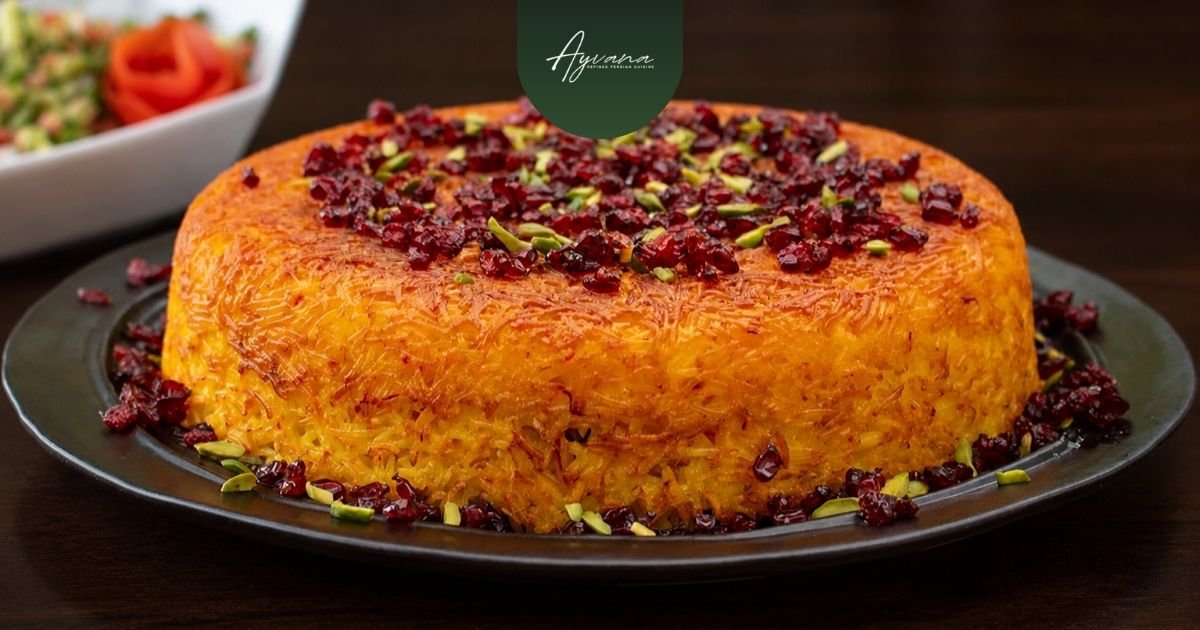
Tahchin is a baked rice dish made with saffron, yogurt, and rice, often layered with chicken. Unlike steamed rice dishes, tahchin develops a golden crust similar to tahdig while remaining soft and rich inside.
The contrast in texture is one of the reasons it appeals so strongly to beginners. The crisp outer layer feels satisfying and familiar, while the saffron and yogurt introduce flavors that are distinctively Persian without feeling overwhelming. Tahchin is also visually striking when served, which makes it one of the more memorable dishes for first-time visitors.
Must-Try Persian Appetizers for Beginners
Persian appetizers are designed to create contrast and balance across the meal. Many of them are lighter than the mains, making them an easy way to ease into unfamiliar flavors.
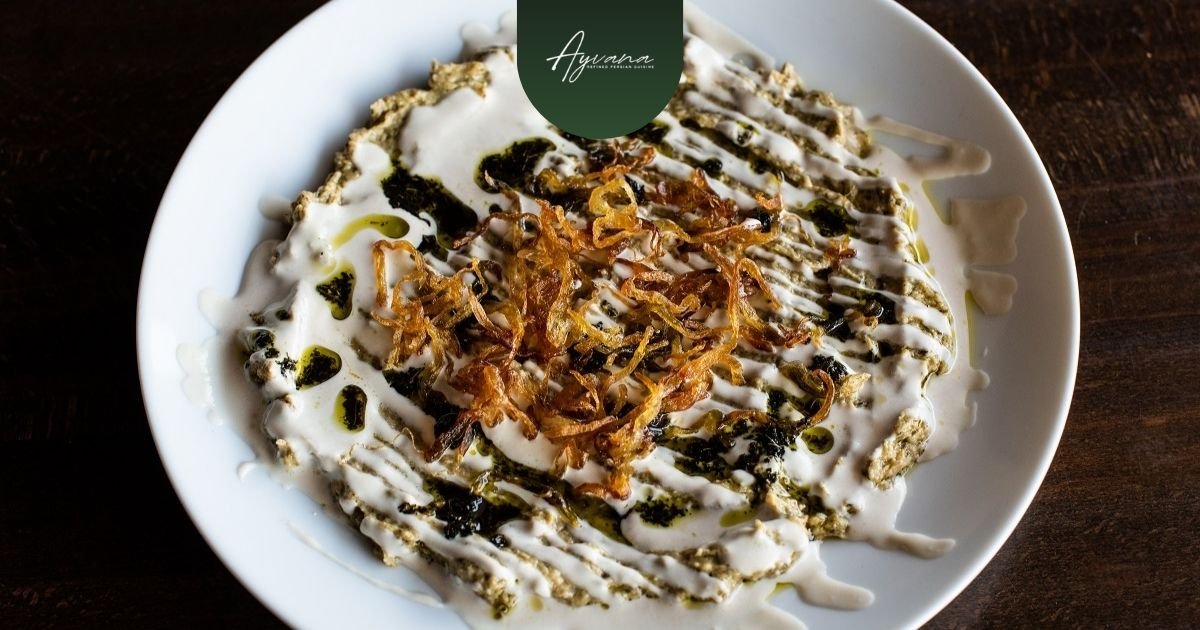
Kashk-e Bademjan
Kashk-e bademjan is a warm eggplant dish made with garlic, onions, and kashk, a fermented dairy ingredient that adds tang and depth. The texture is smooth and creamy, closer to a rich dip than a stew.
For beginners, it works well because the flavor feels comforting and savory despite being built almost entirely around vegetables. Eaten with bread and shared across the table, it helps introduce the slower, more layered side of Persian cooking.
Mirza Ghasemi
Mirza ghasemi is another eggplant-based dish, but it has a much smokier flavor due to the grilling process used in preparation. Garlic and tomato add depth, while the texture remains soft and rustic.
This dish is often a good choice for diners who already enjoy grilled or roasted vegetables, since the smoky flavor creates a bridge between familiar and unfamiliar tastes.
Salad Shirazi
Salad Shirazi is one of the simplest dishes on a Persian table, combining cucumber, tomato, onion, and lemon juice into a fresh, crisp salad.
Its role is less about complexity and more about balance. Alongside kebabs, rice, or stews, it adds acidity and freshness that prevent the meal from feeling too rich. For first-time visitors, it can also provide a familiar reference point while exploring more distinctive dishes.
Best Persian Vegetarian Dishes for Beginners
Persian cuisine includes many vegetarian dishes that still feel substantial and complete rather than secondary.
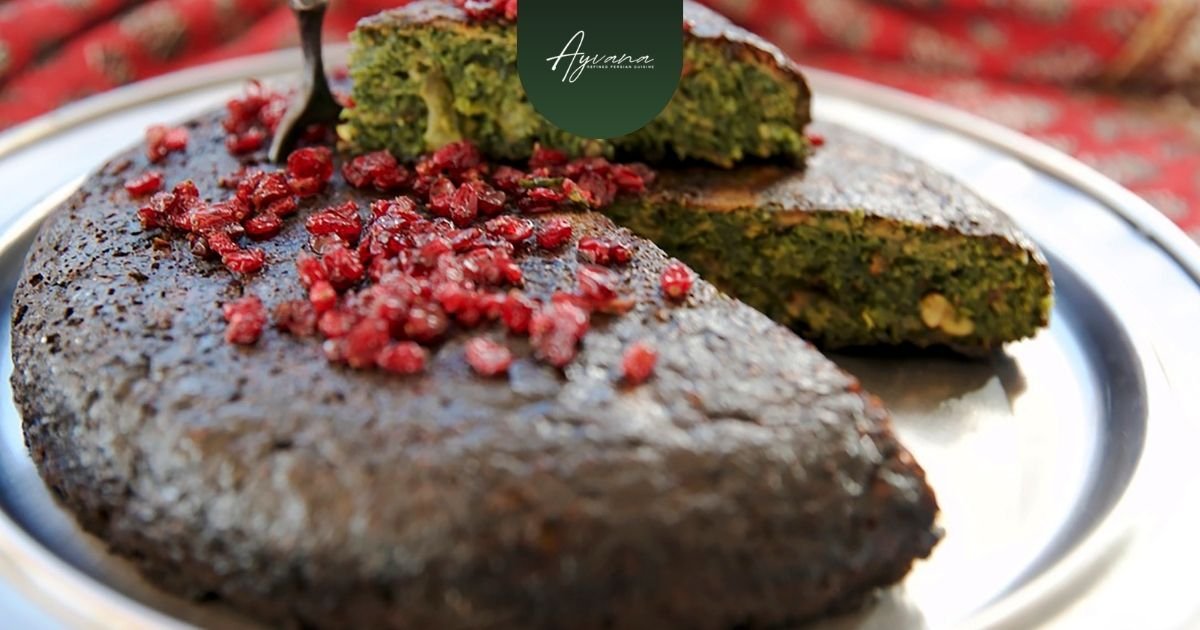
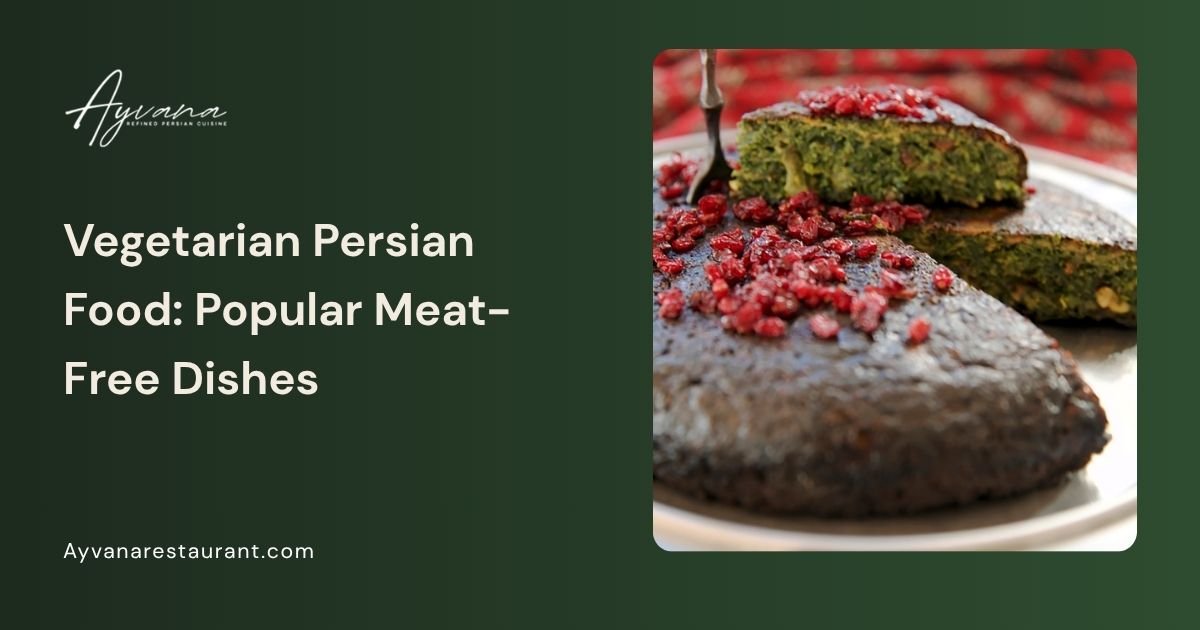
Kuku Sabzi
Kuku sabzi is a herb-filled frittata made with eggs and chopped greens. Unlike omelets that rely mostly on eggs, this dish is dominated by herbs, giving it a fresh and aromatic flavor with a dense, sliceable texture.
Because the structure feels familiar, kuku sabzi is often one of the easiest vegetarian Persian dishes for beginners to enjoy. It works equally well as a light main dish or shared side.
Adas Polo
Adas polo combines rice with lentils and sometimes raisins or dates, creating a balance between savory and mild sweetness. The lentils add texture and heartiness, while the rice keeps the dish light enough to remain approachable.
For first-time visitors interested in vegetarian meals, adas polo offers a good introduction to the way Persian cuisine uses rice and subtle sweetness together rather than relying on strong spice.
More beginner-friendly meat-free dishes are explored in our guide to vegetarian Persian food.
Popular Persian Desserts and Drinks for First-Time Visitors
Persian desserts tend to be lighter and more aromatic than overly rich.
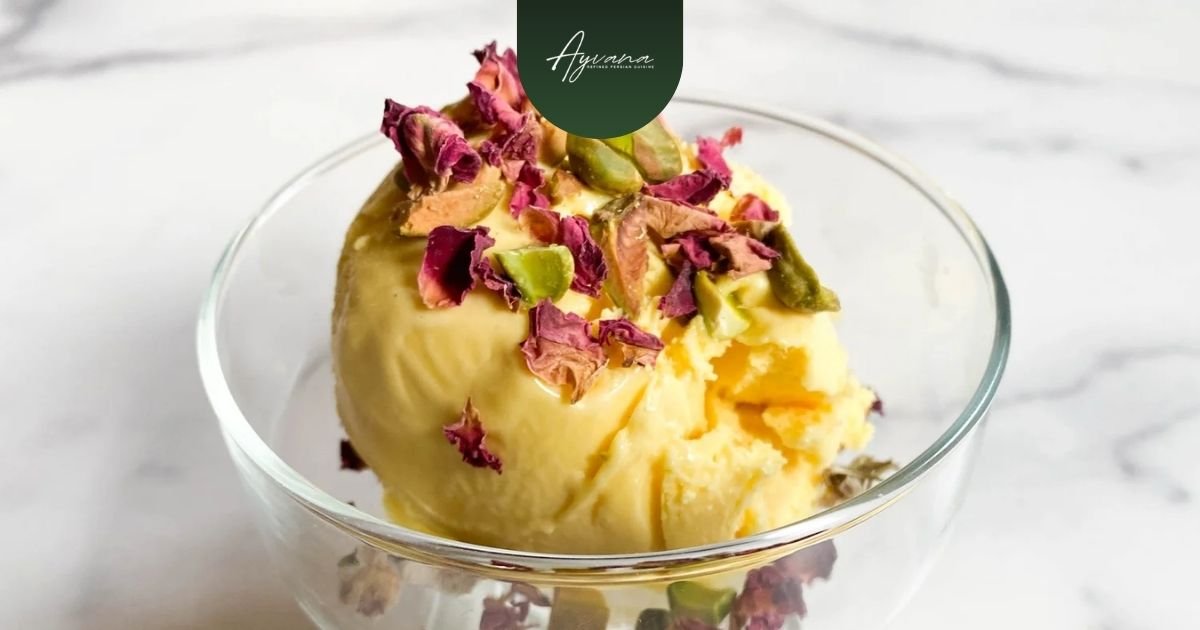
Persian Ice Cream (Bastani)
Persian ice cream (bastani) combines saffron, rosewater, pistachios, and cream into a dessert that feels floral and fragrant rather than intensely sweet. The saffron gives the ice cream its distinctive aroma, while pistachios add texture.
For beginners, bastani works well because the ingredients are recognizable even though the flavor combination feels unique.
Faloodeh
Faloodeh, a traditional Persian frozen dessert, is made with thin noodles, rosewater syrup, and lime. The texture is icy and refreshing rather than creamy, which makes it especially popular after heavier meals or during warm weather.
Its unusual texture can surprise first-time diners, but the combination of citrus and rosewater often makes it one of the most memorable desserts in Persian cuisine.
Tea and Doogh
Tea plays an important role in Persian dining culture and is commonly served after meals as a way to extend the experience rather than abruptly end it.
Doogh, a yogurt-based drink, is usually served with savory dishes because its tanginess balances grilled meats and rice particularly well.
What to Order If You’re Visiting a Persian Restaurant for the First Time
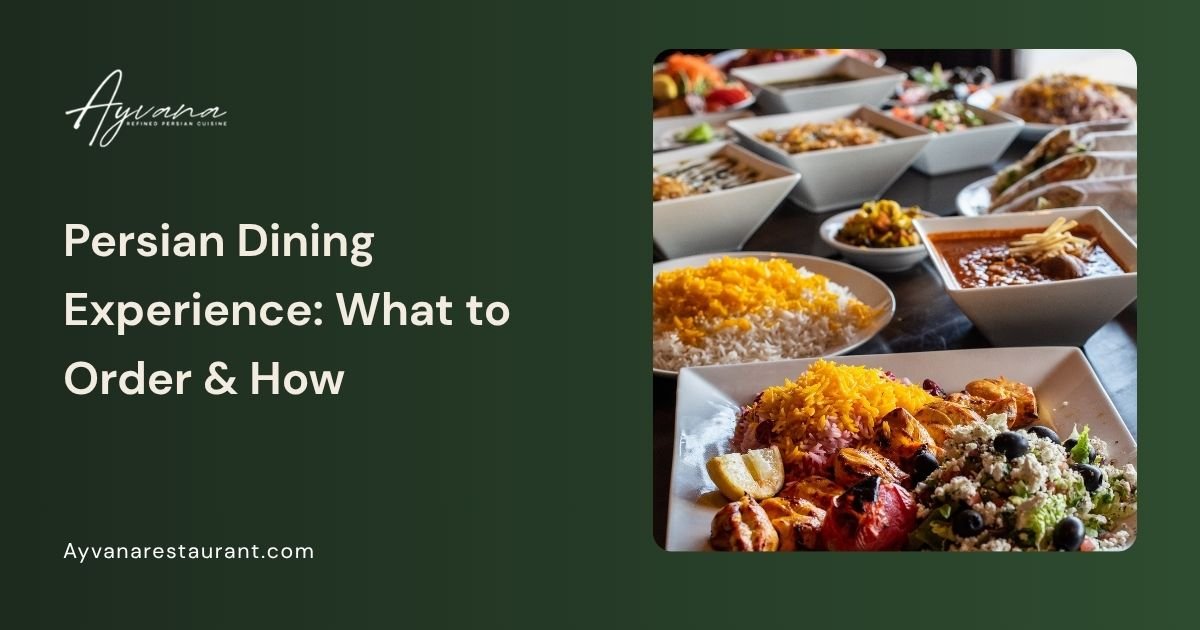
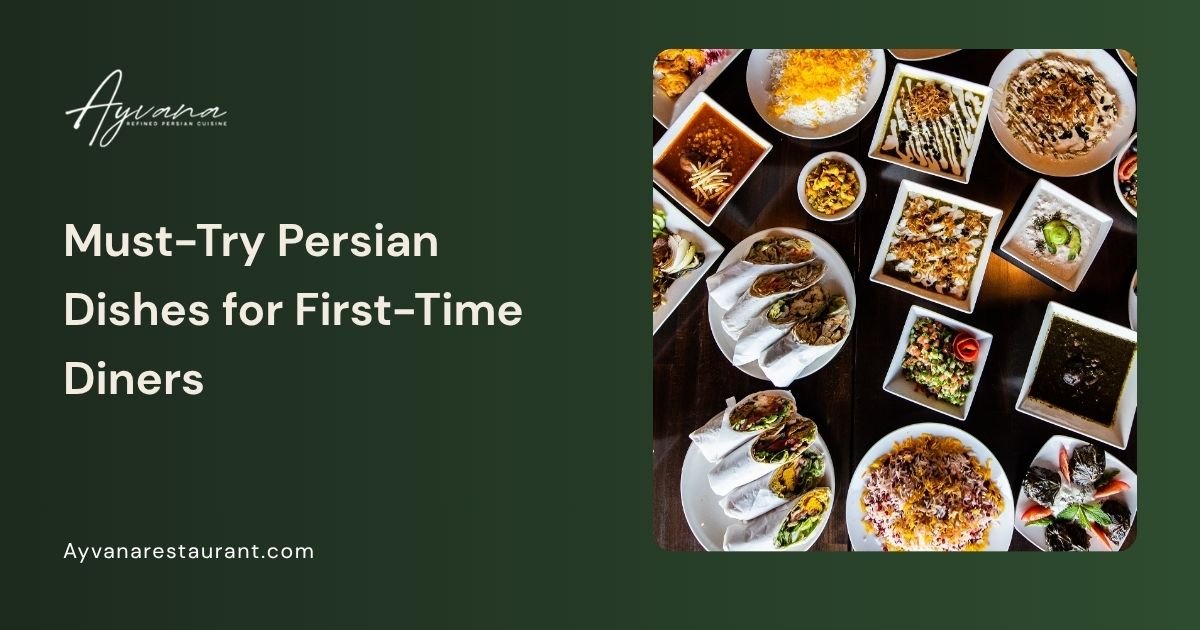
For a first visit, the best approach is usually to order a mix of dishes that create contrast across the table. This type of shared ordering approach is a central part of a full Persian dining experience, where multiple dishes are designed to work together across the table.
A balanced beginner-friendly meal might include:
- one appetizer to share
- one kebab
- one stew
- one rice dish
- a side salad or yogurt dish
- tea or dessert afterward
For example:
- koobideh with zereshk polo and Shirazi salad
- joojeh kabab with tahchin and doogh
- ghormeh sabzi with plain rice and yogurt-based sides
This approach creates a more complete understanding of the cuisine than focusing on a single dish alone.
Persian Menu Terms You Should Know Before Ordering
Understanding a few common menu terms can make Persian restaurants feel much less intimidating.
- khoresh → Persian stew
- kebab → grilled meat dishes
- polo → mixed rice dishes
- chelo → plain Persian rice
- tahdig → crispy rice layer
- doogh → yogurt-based drink
Many menus are also designed around shared dining rather than individual plates.
Common Mistakes Beginners Make
First-time diners often make the same mistakes:
- ordering only one dish per person
- skipping rice
- avoiding sides and appetizers
- choosing only familiar items
- ordering too much food at once
The best approach is usually to share several dishes and experience the meal as a combination rather than separate parts.
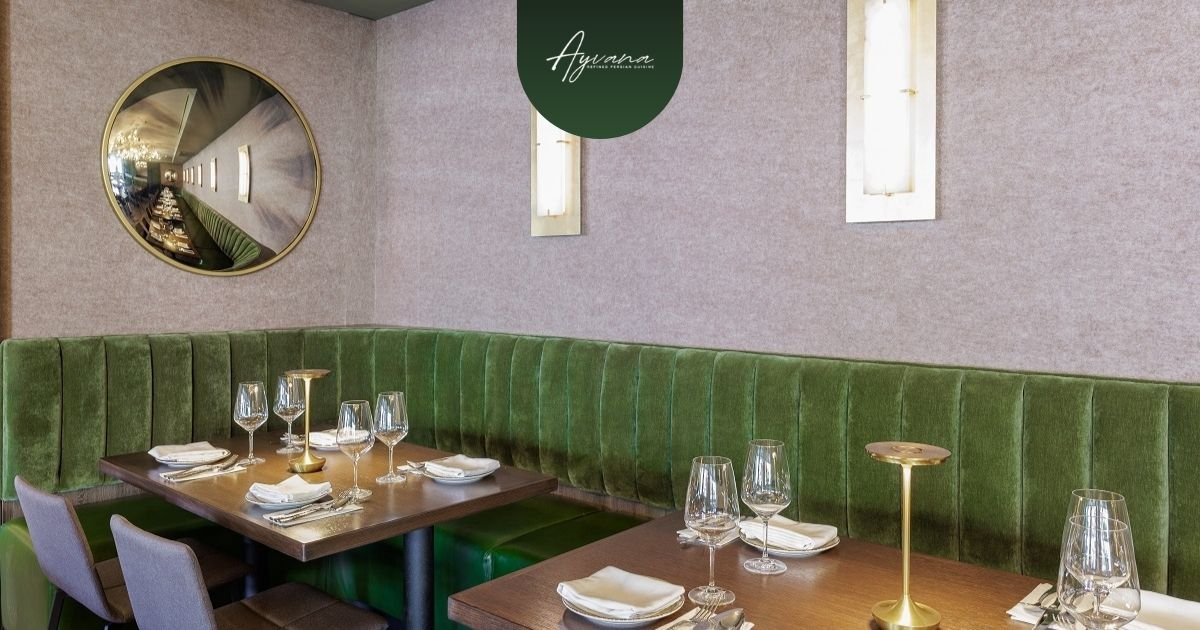
Where to Try the Best Persian Dishes in Tarzana
Trying Persian food in the right setting makes a noticeable difference, especially for beginners. A restaurant that presents dishes as part of a complete meal helps diners understand how flavors, rice, sides, and drinks are meant to work together.
At Ayvana Persian Restaurant in Tarzana, the menu includes many of the classic dishes first-time visitors are most likely to enjoy, from kebabs and rice dishes to stews and appetizers. The variety makes it easier to build a balanced first experience without feeling overwhelmed by the menu.
Final Tips for First-Time Persian Food Lovers
- share dishes instead of ordering individually
- include rice as part of the meal
- try both grilled and slow-cooked dishes
- ask staff for recommendations
- combine bites rather than eating items separately
- pace the meal slowly and try multiple flavors
Conclusion
Persian cuisine can feel unfamiliar at first, but it quickly becomes approachable once you understand how the meals are structured. The flavors are balanced, the dishes are varied, and the dining experience is built around combination and sharing rather than complexity.
Starting with a few beginner-friendly dishes such as kebabs, rice dishes, and appetizers is usually the easiest way to explore the cuisine confidently. Over time, the deeper flavors of stews, herbs, and saffron become easier to appreciate and enjoy.