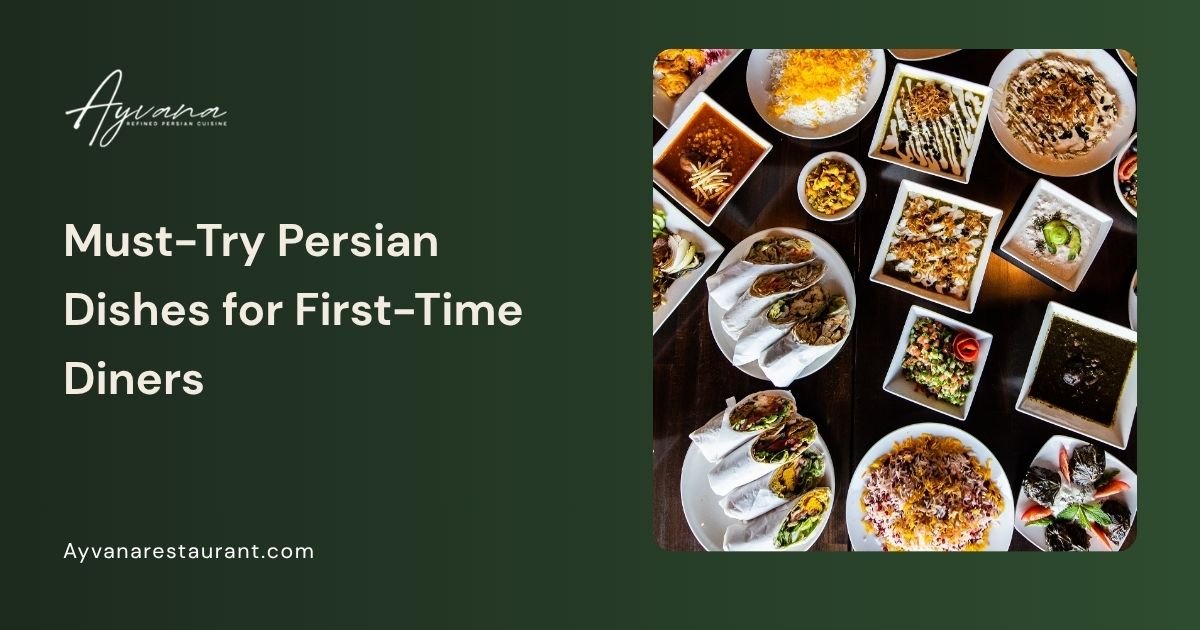
Persian cuisine is built on balance rather than intensity. Herbs, saffron, gentle acidity, and subtle sweetness come together to create dishes that are layered and aromatic rather than heavy or aggressively spiced. That same balance is what makes wine pairing with Persian food feel less obvious than with cuisines that rely on strong, dominant flavors.
The good news is that pairing wine with Persian food becomes much simpler once you understand how those flavors work. Instead of memorizing specific wines, it’s more useful to recognize patterns: how acidity interacts with tangy elements, how body matches richness, and how certain wines support rather than overpower the dish. This guide walks through those principles and shows how to apply them in real dining situations.
Here is the Quick Answer:
Persian food pairs best with wines that match its balance of herbs, acidity, and subtle richness. White wines like Sauvignon Blanc and Pinot Grigio work well with rice and lighter dishes, while balanced reds such as Pinot Noir or Cabernet Sauvignon suit kebabs and stews. When unsure, choose a high-acid, medium-bodied wine that complements multiple dishes without overpowering them.
Understanding Persian Flavor Profiles (The Foundation of Pairing)
Persian food is rarely built around a single dominant taste. Instead, most dishes combine several elements that work together in a controlled way:
- fresh herbs that add brightness and aroma
- sour elements such as dried lime or pomegranate
- saffron for fragrance and depth
- subtle sweetness that balances the overall flavor
Because of this structure, Persian cuisine is neither as rich as many European dishes nor as spicy as some South Asian cuisines. The flavors tend to sit in the middle, which means that wines must be chosen carefully. A wine that is too bold can overpower the dish, while one that is too light can disappear entirely.
The goal is not to match intensity alone, but to preserve the balance that already exists in the food.
Many of the core flavor elements mentioned above are explained in more detail in our Persian Spices Guide, which breaks down how herbs, saffron, and sour ingredients shape the cuisine.
Basic Principles of Wine Pairing (Simple Guide for Beginners)
At its core, wine pairing comes down to a few simple relationships:
- wines with higher acidity balance tangy or herb-forward dishes
- tannic red wines can feel too strong with delicate foods
- lighter dishes pair better with lighter wines
- richer dishes can support more structure
This becomes especially important with Persian cuisine, where many dishes are not heavy but still have depth. The pairing should enhance that depth without masking it.
Red Wine vs White Wine: What Works Better with Persian Food?
White wines tend to work well with:
- herb-heavy dishes
- rice-based meals
- seafood and poultry
Red wines are better suited to:
- grilled meats
- richer stews
- dishes with more depth
In practice, Persian cuisine leans slightly toward white wines and lighter reds, but the right choice always depends on the dish.
A Simple Framework for Pairing Wine with Persian Food
A practical way to approach pairing:
- Identify the dominant flavor (herby, tangy, rich, or slightly sweet)
- Identify the intensity (light vs rich)
- Choose a wine that mirrors or balances those qualities
This approach works even when you are unfamiliar with the dish, which makes it especially useful in restaurant settings.
Best Wine Pairings for Popular Persian Dishes
Understanding theory is helpful, but pairing becomes clearer when applied to real dishes.
Wine Pairing with Persian Kebabs
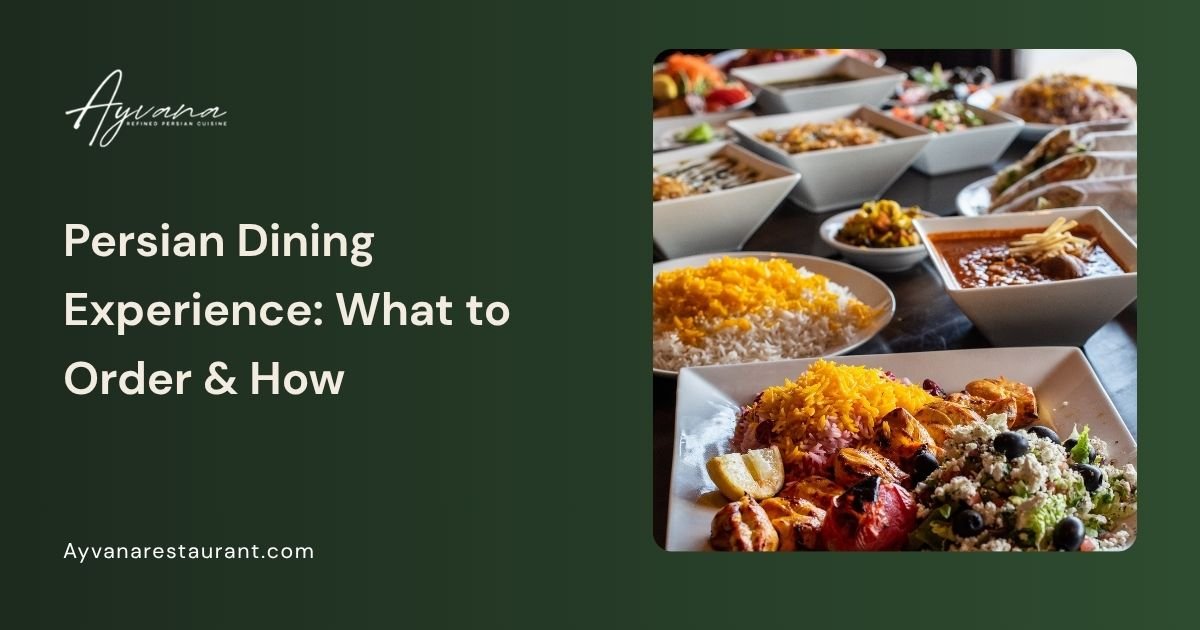
Persian kebabs, explained in more detail in our ‘What is Persian Kebab’ guide, are defined more by technique than by heavy seasoning. The meat is typically marinated lightly and grilled over open flame, creating a smoky, savory flavor that is balanced rather than intense. They are often served with rice, grilled vegetables, and butter, which softens the overall profile.
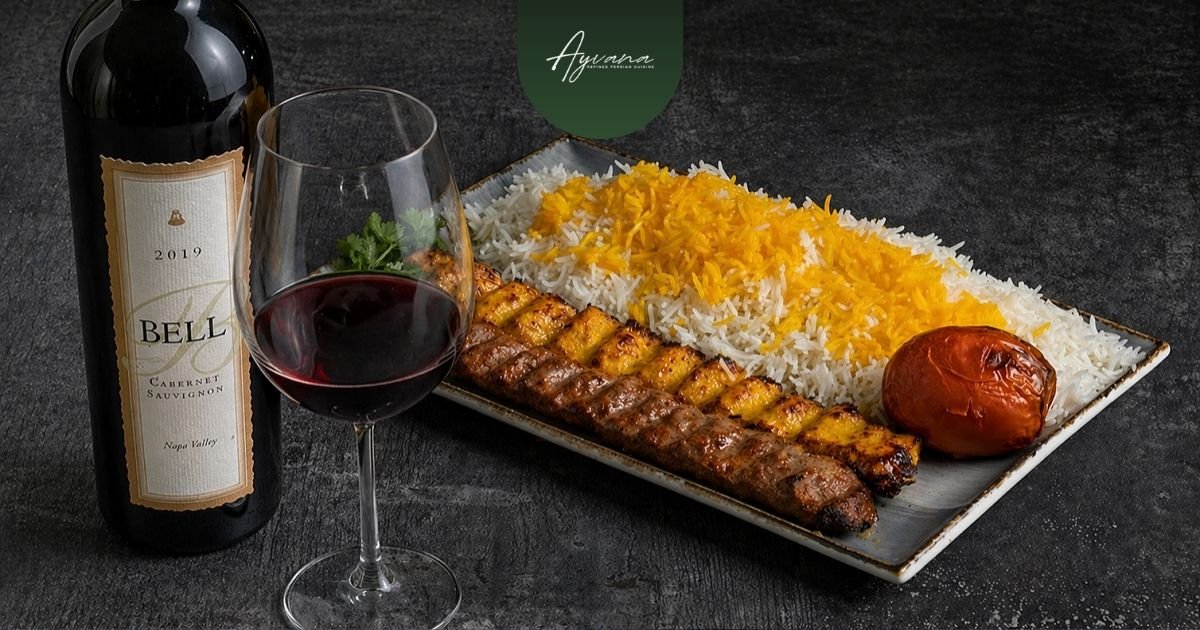
Because of this balance, kebabs pair well with structured but not overly aggressive red wines. A wine like BELL Cabernet Sauvignon works well because it has enough body to match the grilled meat while still allowing the natural flavors of the dish to remain clear. Similarly, Caymus-Suisun The Walking Fool offers richness without becoming overwhelming.
For those who prefer something softer, a lighter red can also work, especially when the meal includes multiple sides.
Wine Pairing with Persian Rice Dishes
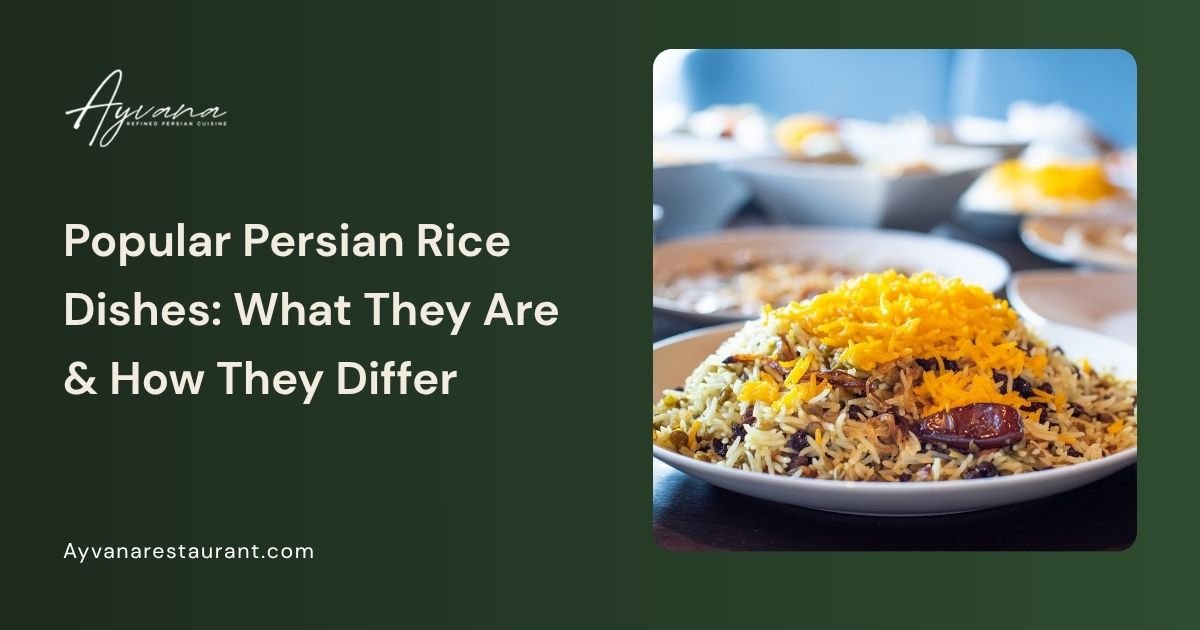
Rice dishes in Persian cuisine, covered in ‘Different Persian Rice Dishes You Should Try’, are often more aromatic than rich. Saffron, herbs, and occasional sweet or tart elements create a flavor profile that is delicate but layered. The texture is light, and the dish rarely feels heavy on its own (the texture contrast often comes from elements like the crispy rice layer called tahdig, which adds richness to the dish).
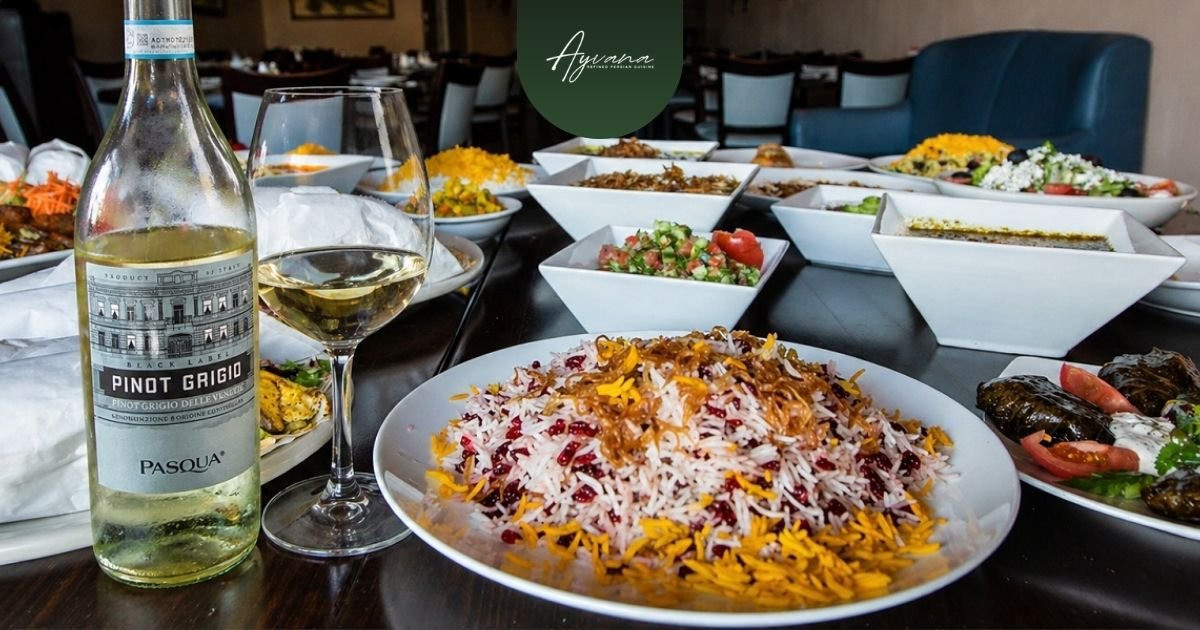
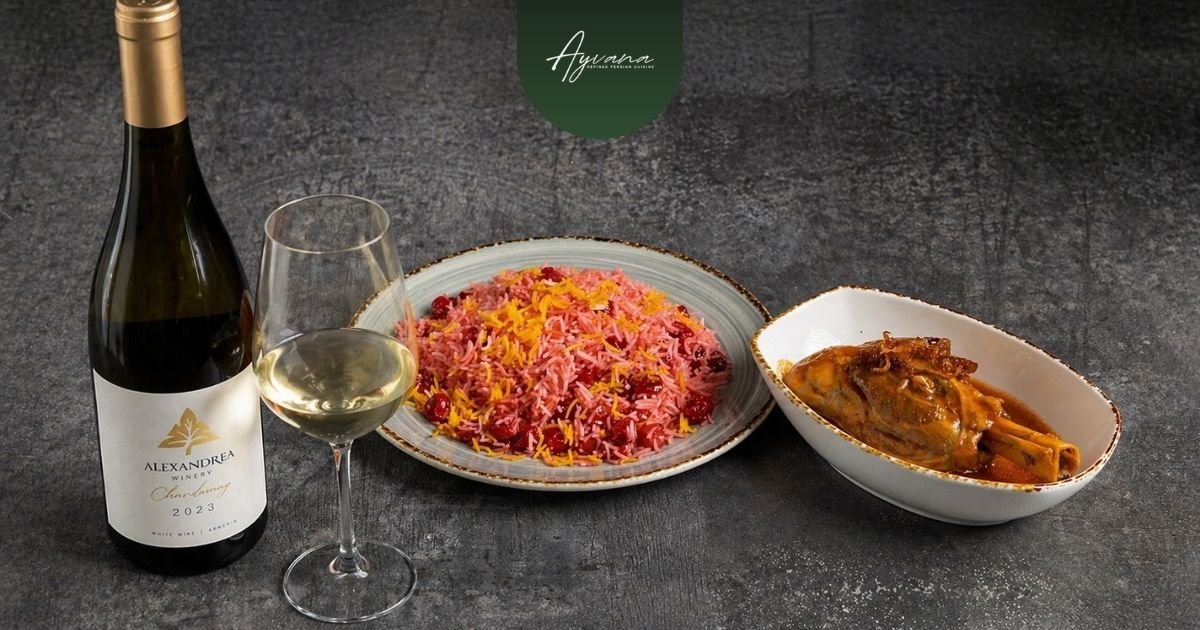
This makes white wines a natural fit. Wines such as Pasqua Pinot Grigio and LILLIE’S Sauvignon Blanc complement the fragrance of saffron and herbs without overpowering them. Their acidity keeps the pairing fresh, especially when the dish includes tangy elements like barberries.
A slightly fuller white, such as ALEXANDREA Chardonnay, can also work when the dish includes richer components, as it adds body without losing balance.
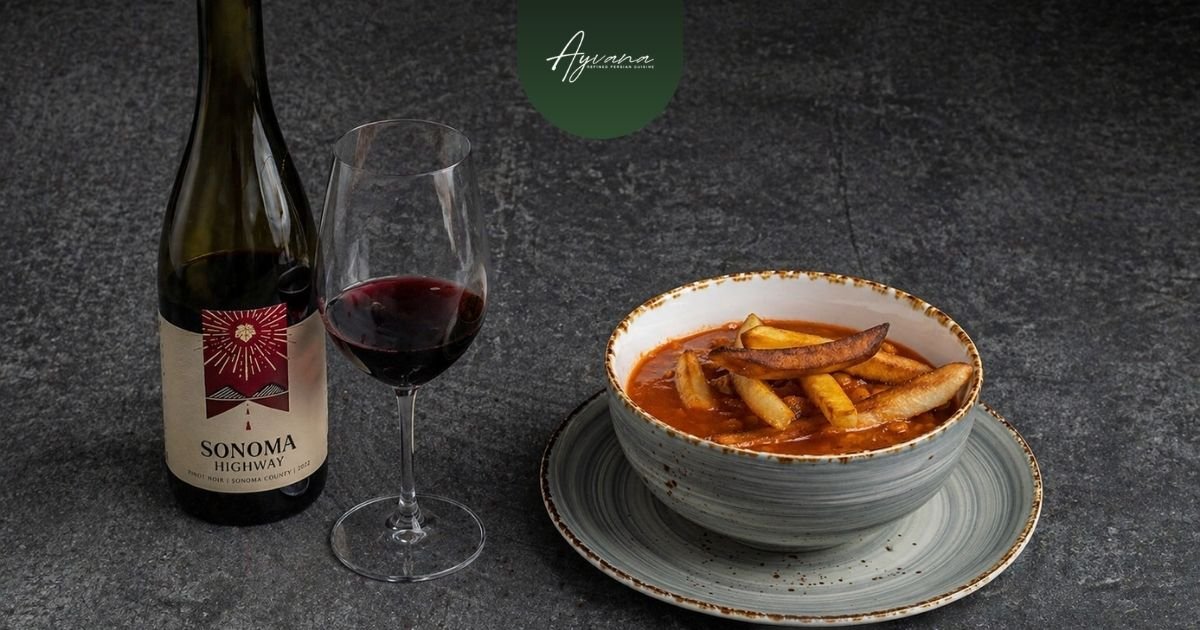
Wine Pairing with Persian Stews (Khoresh)
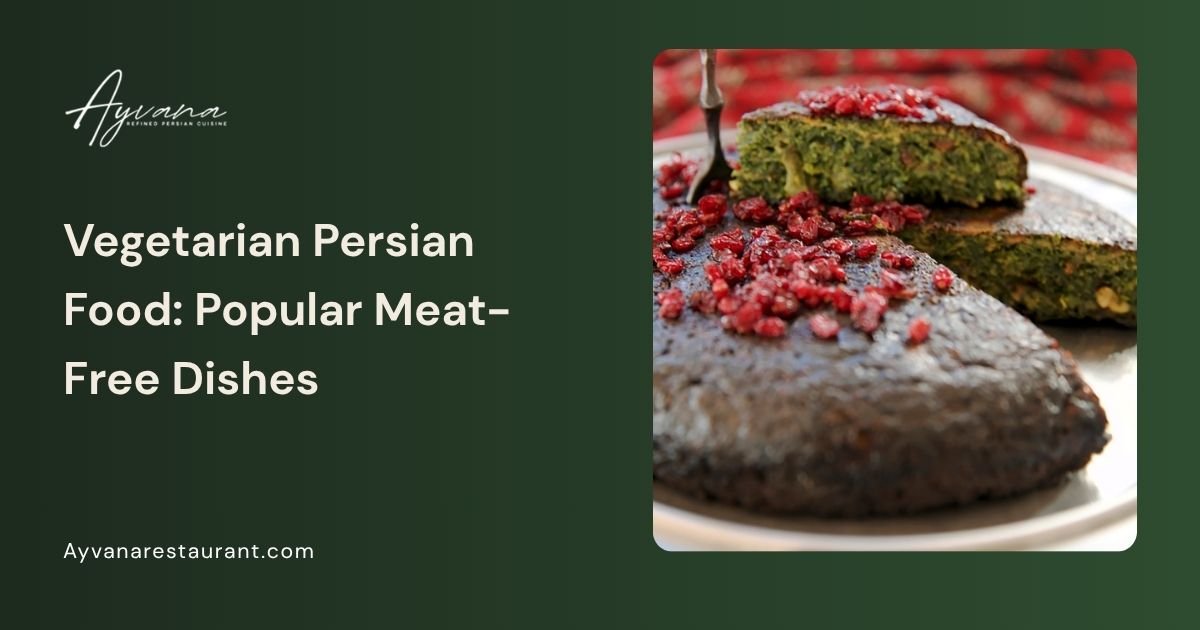
Persian stews are slow-cooked and layered, often combining herbs, meat, and sour or slightly sweet elements. Dishes like ghormeh sabzi or fesenjan develop depth over time, resulting in flavors that are more complex than they first appear.
These qualities call for a wine that can handle both richness and acidity. This balance works because the wine’s acidity mirrors the dish’s sour elements while its body supports the stew’s depth. Sonoma Highway Pinot Noir is a strong choice because it sits in the middle. It has enough structure to match the stew while maintaining the acidity needed to balance sour elements.
Heavier red wines can sometimes feel too dominant here, especially if the dish relies heavily on herbs or acidity. A balanced, fruit-forward red tends to integrate more naturally.
The Safest Wine Choices (If You’re Unsure)
When you’re unsure or ordering multiple dishes, versatility matters most:
- Sauvignon Blanc works across most dishes due to its acidity and freshness
- Pinot Noir offers flexibility with both meats and stews
If you had to choose just one: Sauvignon Blanc is the safest overall option
Common Wine Pairing Mistakes with Persian Food
Common mistakes include:
- choosing overly tannic red wines that overpower delicate flavors
- ignoring acidity when pairing with tangy dishes
- selecting wines that are too heavy for herb-based meals
- overlooking how sweetness interacts with dishes like fesenjan
The most successful pairings are those that respect the balance already present in the food.
Wine Pairing for Different Dining Situations
The context of the meal also affects your choice:
- at a restaurant → pair based on your main dish
- at home → choose a versatile wine
- group dining → select flexible options like Pinot Noir or Sauvignon Blanc
How to Choose the Right Wine Based on Your Taste
Choosing based on your personal preference can make pairing easier:
- prefer light wines → Pinot Grigio or Sauvignon Blanc
- prefer bold wines → Cabernet Sauvignon
- want balance → Pinot Noir
- prefer smoother wines → Chardonnay
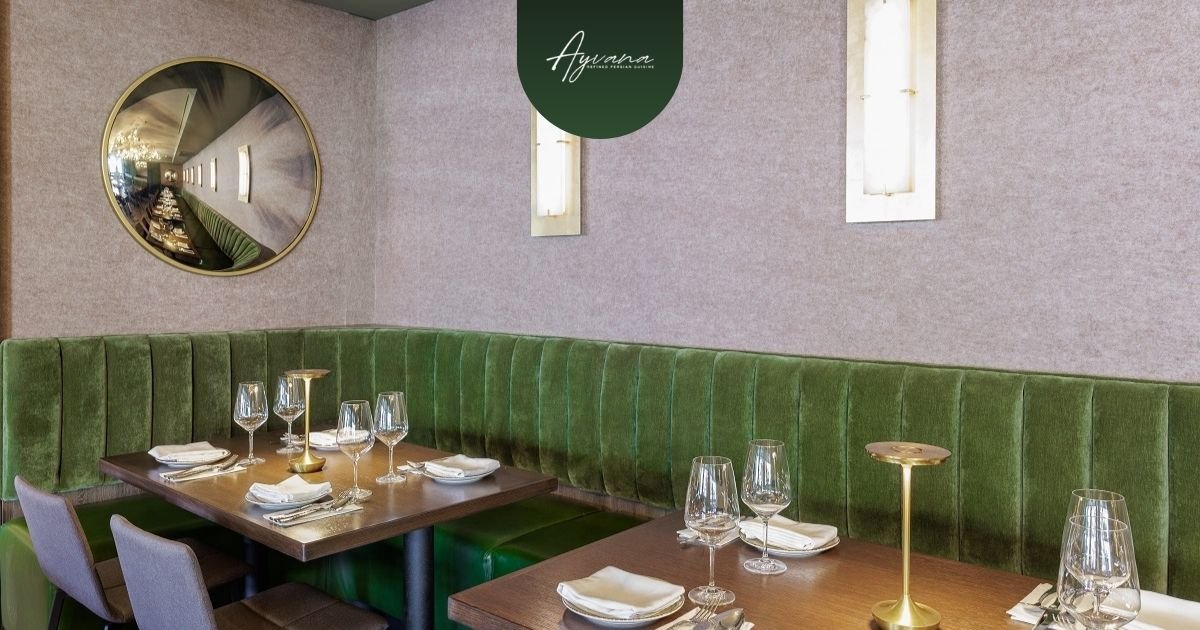
Where to Enjoy the Best Wine Pairings with Persian Food in Tarzana
Experiencing wine pairing in a restaurant setting can make a noticeable difference. When dishes are prepared with attention to balance and served together as part of a structured meal, the role of wine becomes clearer.
At Ayvana Persian Restaurant in Tarzana, the menu reflects this balance, making it easier to pair wines with both individual dishes and the overall dining experience. Trying these combinations in context helps build a better understanding of how pairing works in practice.
Conclusion
Wine pairing with Persian food does not require complex rules. By focusing on balance, acidity, and intensity, you can choose wines that complement rather than compete with the dish.
With a few simple guidelines, it becomes much easier to order confidently and enjoy the full dining experience.