Persian desserts are known for balancing sweetness with fragrance, texture, and refinement. Rather than relying on heavy sugar or rich frostings, many traditional Persian desserts highlight saffron, rosewater, pistachios, cardamom, almonds, and delicate floral aromas. The result is a dessert tradition built around elegance, balance, and sensory contrast rather than sweetness alone.
From refreshing frozen treats like Faloodeh to saffron-infused rice puddings and pistachio-filled pastries, Persian sweets reflect centuries of culinary heritage shaped by hospitality, celebration, tea culture, and regional traditions across Iran.
In this guide, you’ll learn about 10 traditional Persian desserts, what makes them unique, and where you can enjoy authentic Persian sweets in Tarzana.
Here is the Quick Answer:
Persian desserts are known for their balance of floral aromatics, nuts, spices, and delicate sweetness. Popular traditional sweets include Bastani Sonnati, Faloodeh, Zoolbia and Bamieh, Sholeh Zard, Persian baklava, Gaz, Sohan, Ranginak, Koloocheh, and Persian Love Cake. Many Persian desserts feature ingredients such as saffron, rosewater, pistachios, and cardamom and are closely connected to tea culture, hospitality, celebrations, and family gatherings. For an authentic Persian dessert experience in Tarzana, enjoy traditional sweets and Persian tea service at Ayvana Persian Restaurant.
Top 10 Popular Traditional Persian Desserts
From the frozen desserts of Shiraz to the confectionery traditions of Isfahan and the saffron-rich specialties of Qom, Persian sweets showcase how local ingredients and traditions have shaped dessert culture across different parts of Iran.
Below are 10 popular traditional Persian desserts that offer a delicious introduction to the flavors, ingredients, and cultural traditions behind Persian sweets.
Bastani Sonnati (Persian Saffron Ice Cream)
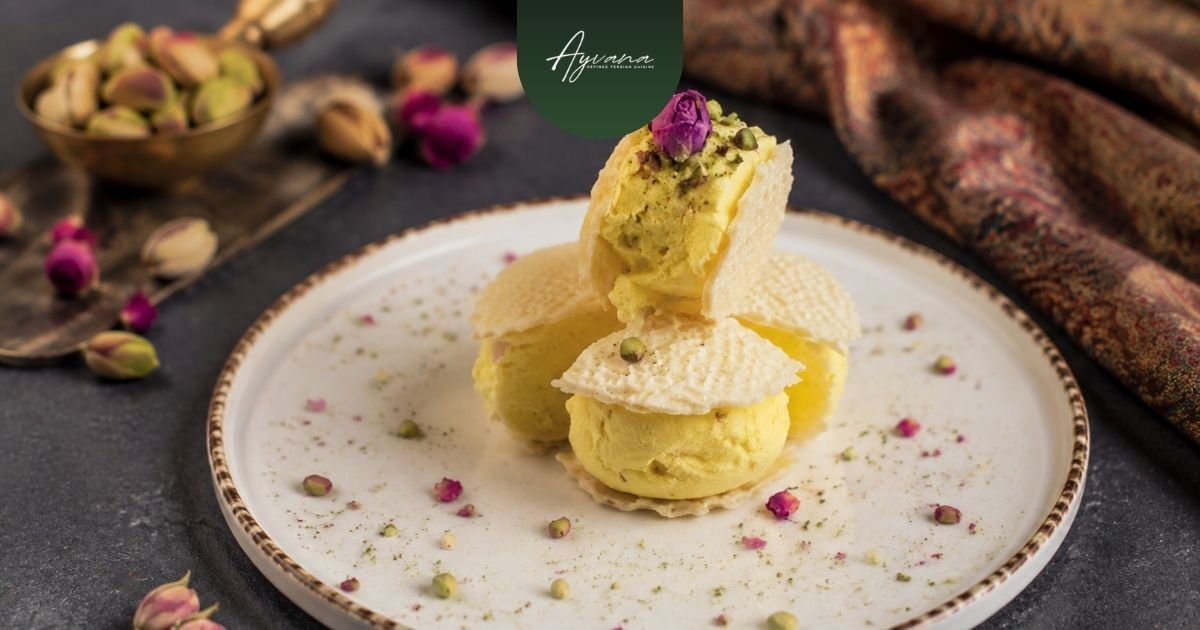
Bastani Sonnati, often called Persian saffron ice cream, is one of the most famous and beloved desserts in Iran. Made with saffron, rosewater, pistachios, and small pieces of frozen cream, it offers a rich yet refreshing flavor that has become a symbol of traditional Persian sweets.
What sets Bastani Sonnati apart from many Western ice creams is its distinctive texture and aroma. The combination of saffron and rosewater creates floral, fragrant notes, while pistachios add crunch and frozen cream pieces provide a pleasantly creamy bite.
Traditional recipes often include salep, which helps create the slightly elastic texture for which Persian ice cream is known.
In Iran, Bastani Sonnati is commonly served in a bowl, between thin wafers as an ice cream sandwich, or paired with faloodeh for a classic combination of creamy and refreshing textures.
Faloodeh
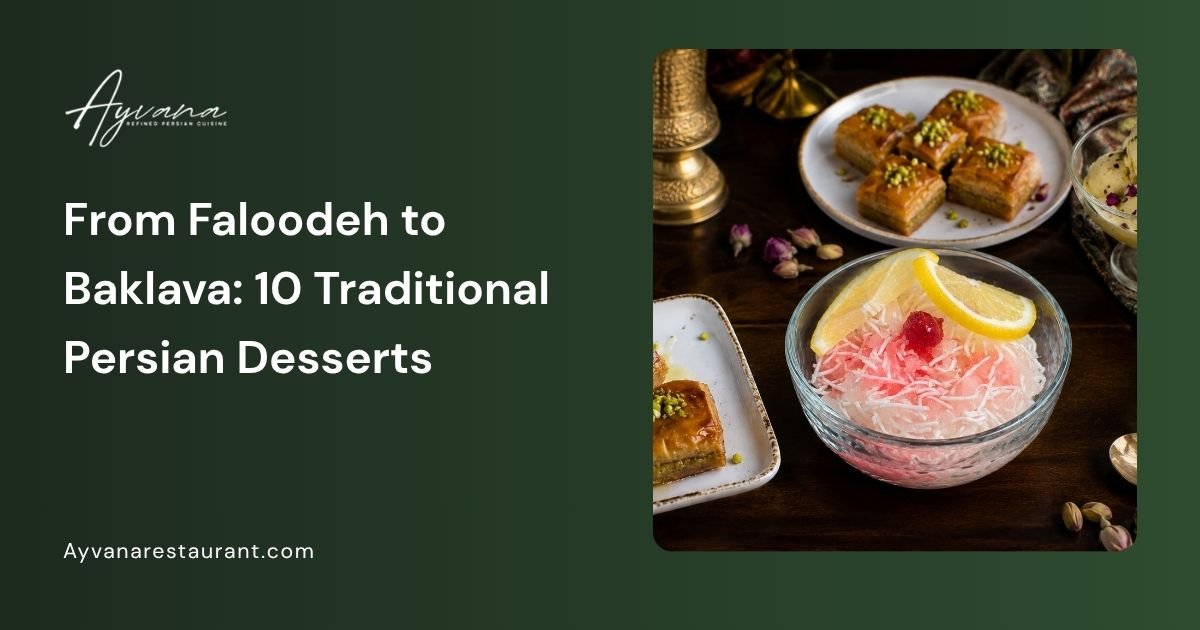
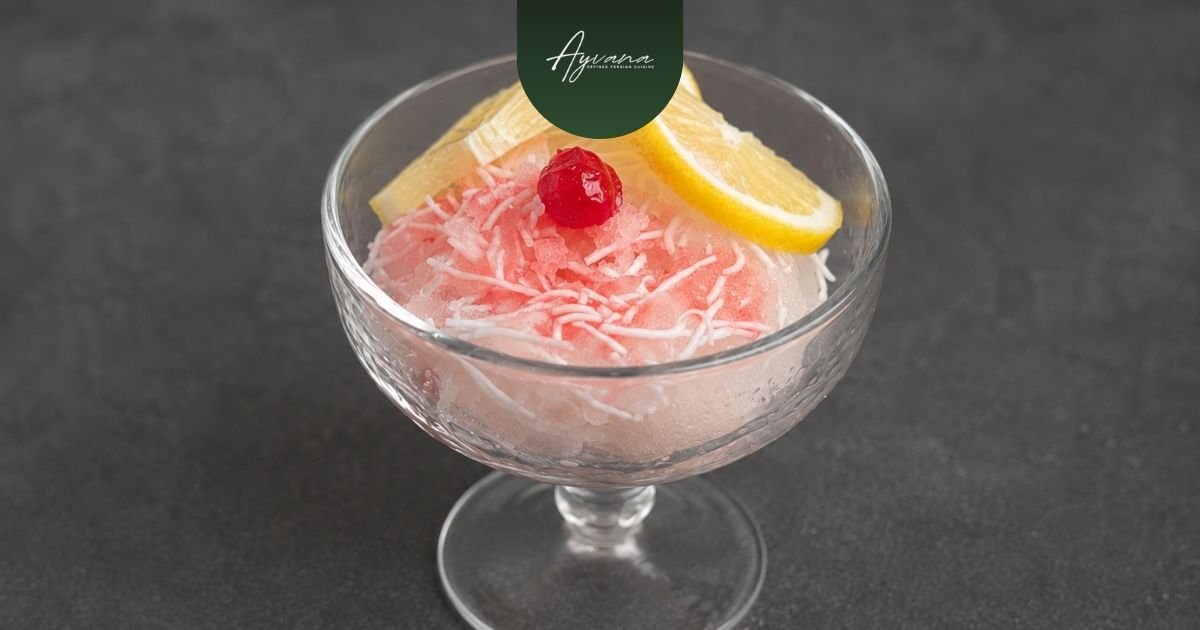
Faloodeh is one of Iran’s oldest and most distinctive desserts, with roots tracing back to the city of Shiraz in southern Iran. Unlike traditional ice cream, this refreshing treat is made from thin frozen vermicelli noodles mixed with a lightly sweetened rosewater syrup and often finished with a squeeze of fresh lime juice.
Its appeal comes from its unique combination of flavors and textures. The icy consistency, delicate rosewater aroma, and bright citrus notes make faloodeh especially popular during the warmer months.
Faloodeh is commonly enjoyed on its own as a cooling summer dessert, but it is also frequently paired with Bastani Sonnati. The combination of floral saffron ice cream and icy rosewater vermicelli creates one of the most classic dessert pairings in Persian cuisine.
Today, faloodeh remains a favorite across Iran and continues to be celebrated as a refreshing example of the balance and creativity found in traditional Persian desserts.
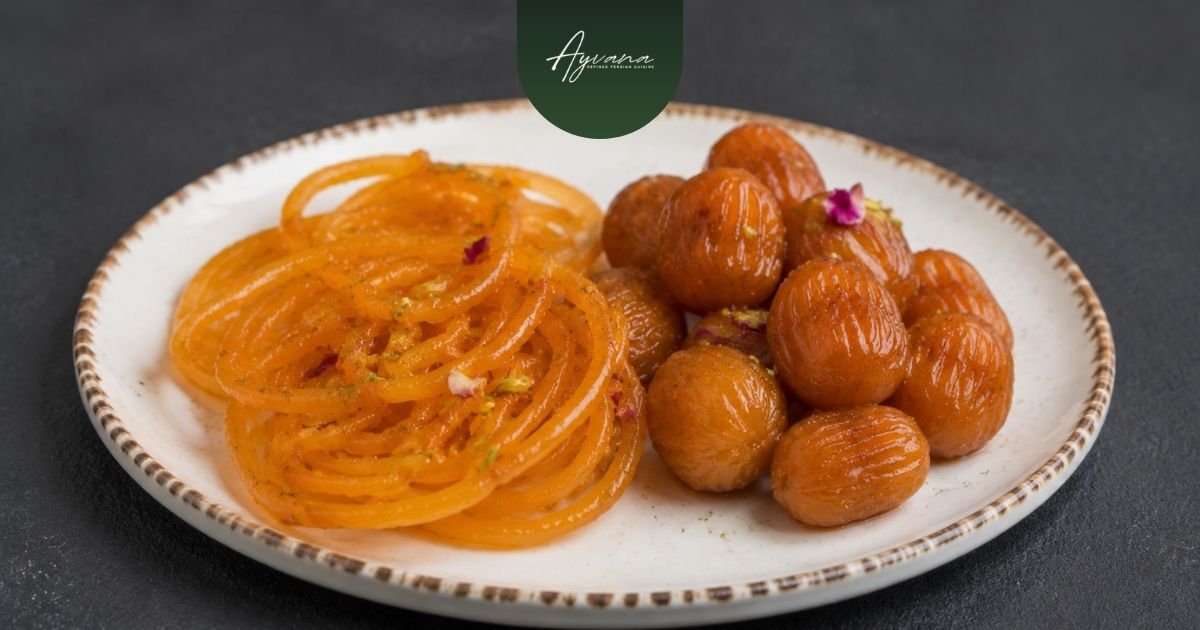
Zoolbia and Bamieh
Zoolbia and Bamieh are two traditional Persian sweets that are especially popular during Ramadan. Often served together, zoolbia is made from a delicate batter shaped into intricate, lace-like patterns, while bamieh consists of small fried pastries with a soft interior and ridged exterior. Both are soaked in a fragrant syrup that gives them their signature sweetness and glossy finish.
The contrast between their crisp outer layer and syrup-coated texture makes them a favorite accompaniment to Persian tea. They are commonly enjoyed during evening gatherings and celebrations, where sweets and tea play an important role in bringing people together.
Although some people compare zoolbia to funnel cake or other fried desserts, the similarities are limited. Persian zoolbia is thinner, more intricate in shape, and flavored with ingredients such as rosewater, saffron, or cardamom, creating a flavor profile that is distinctly Persian.
Combined with bamieh, it offers a traditional dessert experience deeply connected to Persian hospitality and Ramadan traditions.
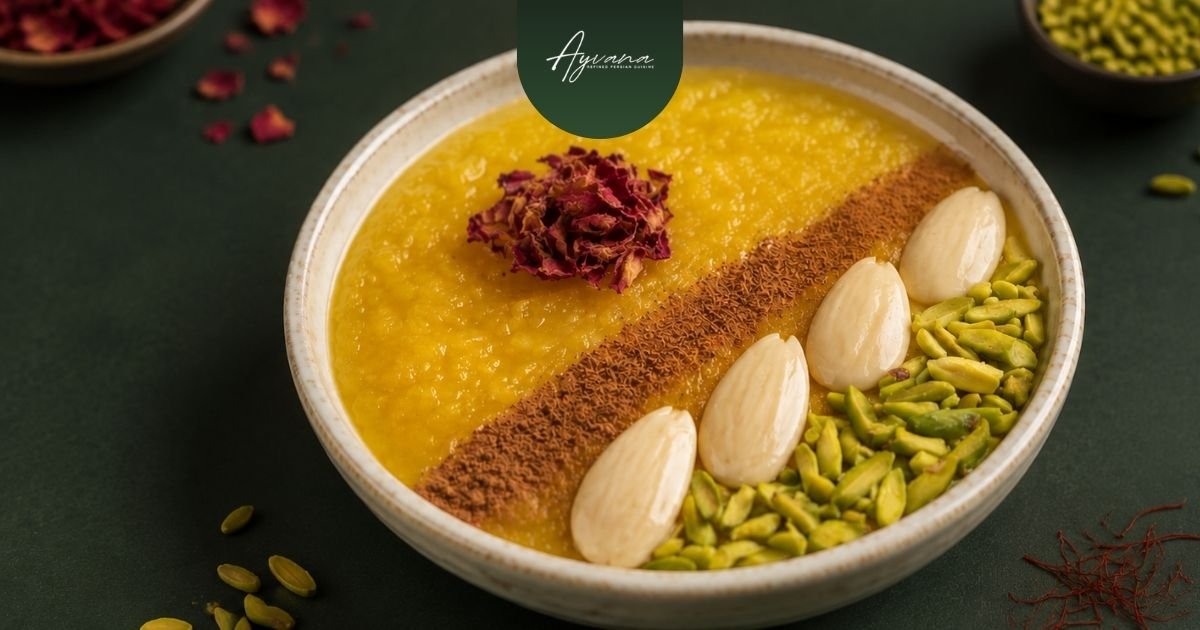
Sholeh Zard (Saffron Rice Pudding)
Sholeh Zard is a traditional Persian saffron rice pudding known for its vibrant golden color and comforting texture. Made with rice, saffron, rosewater, and cardamom, it offers a fragrant flavor profile that highlights some of the most iconic ingredients in Persian cuisine.
The dessert is often decorated with cinnamon patterns and sliced almonds, adding both visual appeal and subtle texture. Beyond its flavor, Sholeh Zard holds cultural and ceremonial significance and is commonly prepared for religious gatherings, charitable events, holidays, and family celebrations.
Its warm, soothing texture and delicate sweetness have made it a long-standing comfort food in Persian households.
Sholeh Zard is sometimes served alongside Persian tea, where its saffron aroma and delicate sweetness complement the tea’s stronger flavor.
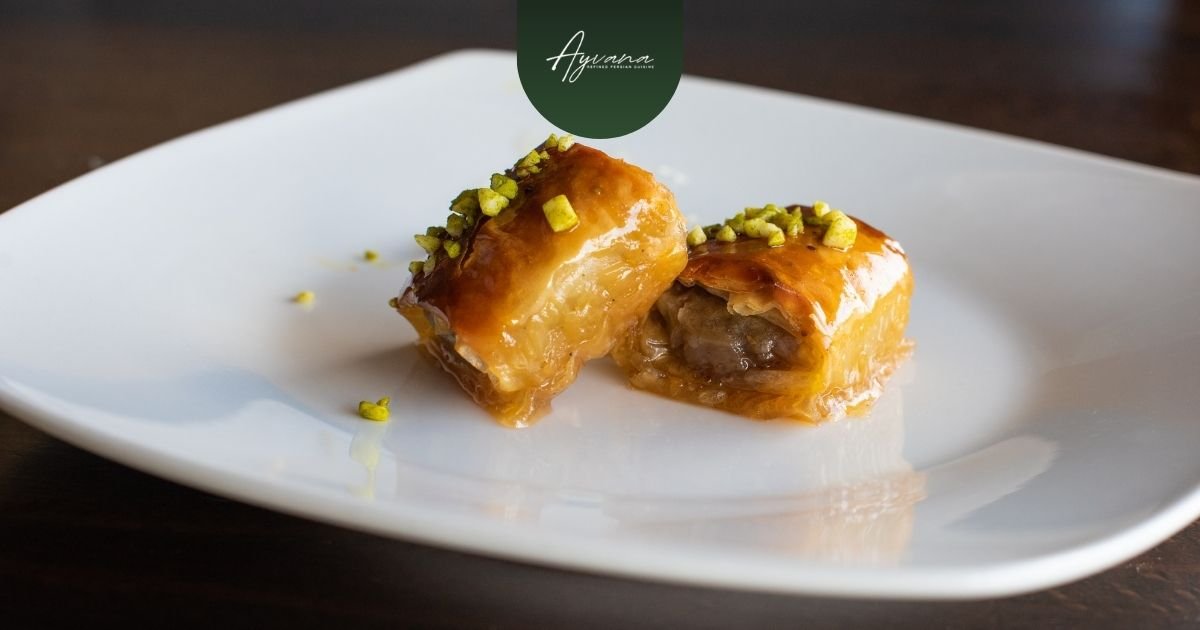
Persian Baklava
Persian baklava is a delicate layered pastry made with almonds, pistachios, and fragrant spices such as cardamom. While it shares similarities with other baklava varieties found across the Middle East and Mediterranean, Persian baklava is known for its lighter sweetness and aromatic flavor profile.
Regional versions can be found throughout Iran, with cities such as Yazd and Qazvin offering their own interpretations. Many recipes emphasize finely ground nuts and cardamom, creating a more floral and spice-forward character than some neighboring styles.
Persian vs Turkish vs Greek Baklava |
|||
|---|---|---|---|
| Feature | Persian Baklava | Turkish Baklava | Greek Baklava |
| Nut Composition | Almonds and Pistachios | Pistachios or Walnuts | Mostly Walnuts |
| Syrup Style | Light Syrup with Floral Notes | Rich Syrup with Minimal Spice | Honey-Based Syrup |
| Spice Profile | Cardamom and Rosewater | Minimal Spice Emphasis | Cinnamon and Cloves |
| Sweetness Level | Balanced and Moderately Sweet | Rich and Sweet | Generally Sweeter |
| Texture | Delicate Layers With Finely Ground Nuts | Crisp, Flaky Layers | Denser and More Syrup-Soaked |
The use of cardamom, floral aromatics, and a lighter syrup helps distinguish Persian baklava from other well-known varieties, making it a unique expression of traditional Persian dessert culture.
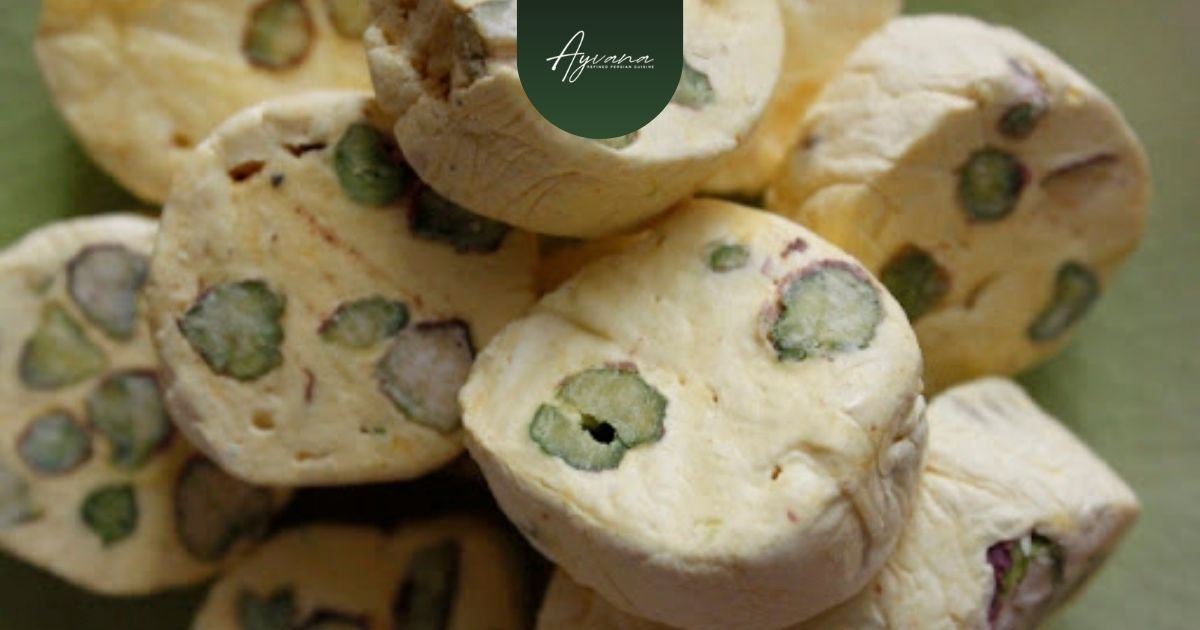
Gaz (Persian Nougat)
Gaz is a traditional Persian nougat that originated in the city of Isfahan and remains one of Iran’s most famous sweets. Known for its soft, chewy texture, it is typically made with pistachios, almonds, rosewater, and other classic Persian ingredients.
For generations, gaz has been produced using traditional confectionery methods and is often given as a gift during holidays, celebrations, and family gatherings. Its association with hospitality and special occasions has made it an important part of Persian dessert culture.
Unlike many Western nougats, gaz features floral notes and a higher proportion of nuts, creating a lighter, more aromatic flavor profile. The combination of pistachios and delicate sweetness continues to make it a favorite among traditional Persian desserts.
Gaz is commonly enjoyed with Persian black tea during gatherings and holiday visits.
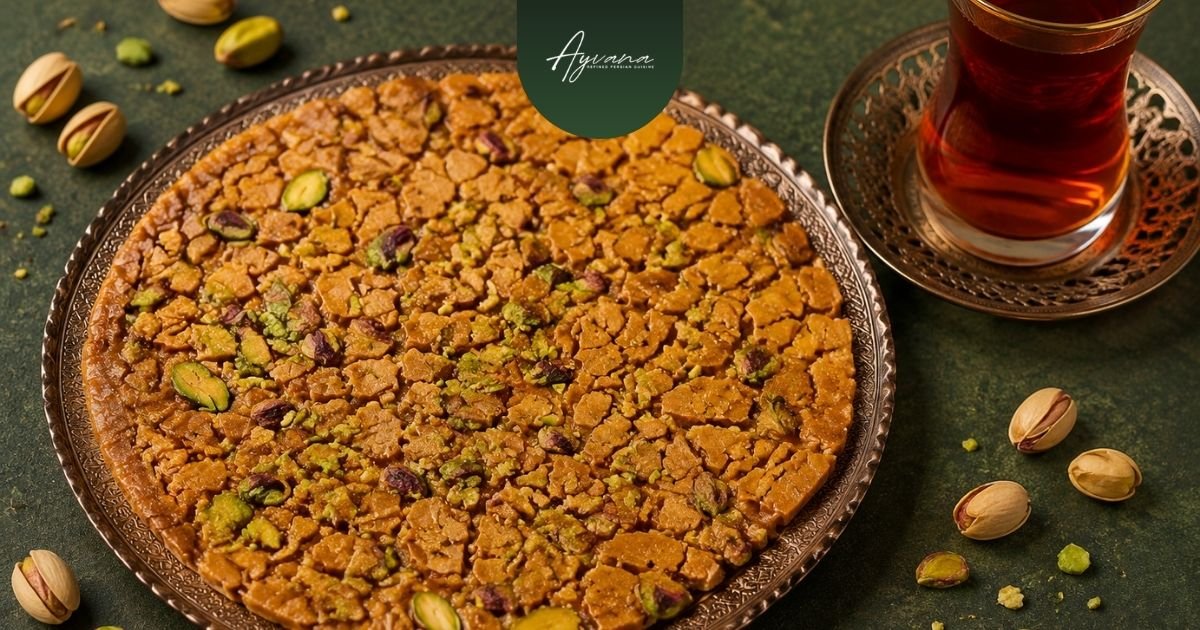
Sohan
Sohan is a traditional Persian brittle that originated in the city of Qom and is considered one of the region’s most famous specialties. Made with saffron, butter, pistachios, and aromatic spices, it is known for its rich flavor and delicate crunchy texture.
Its thin, brittle layers create a satisfying contrast between crispness and buttery richness, while pistachios add both texture and a distinctive Persian flavor.
Sohan is commonly enjoyed alongside Persian tea, where its sweetness pairs well with the bold, slightly bitter notes of black tea.
Beyond its flavor, sohan reflects the strong regional identity of Qom and is often purchased as a traditional gift by visitors. Its combination of saffron, nuts, and craftsmanship has helped make it one of Iran’s most recognizable desserts.
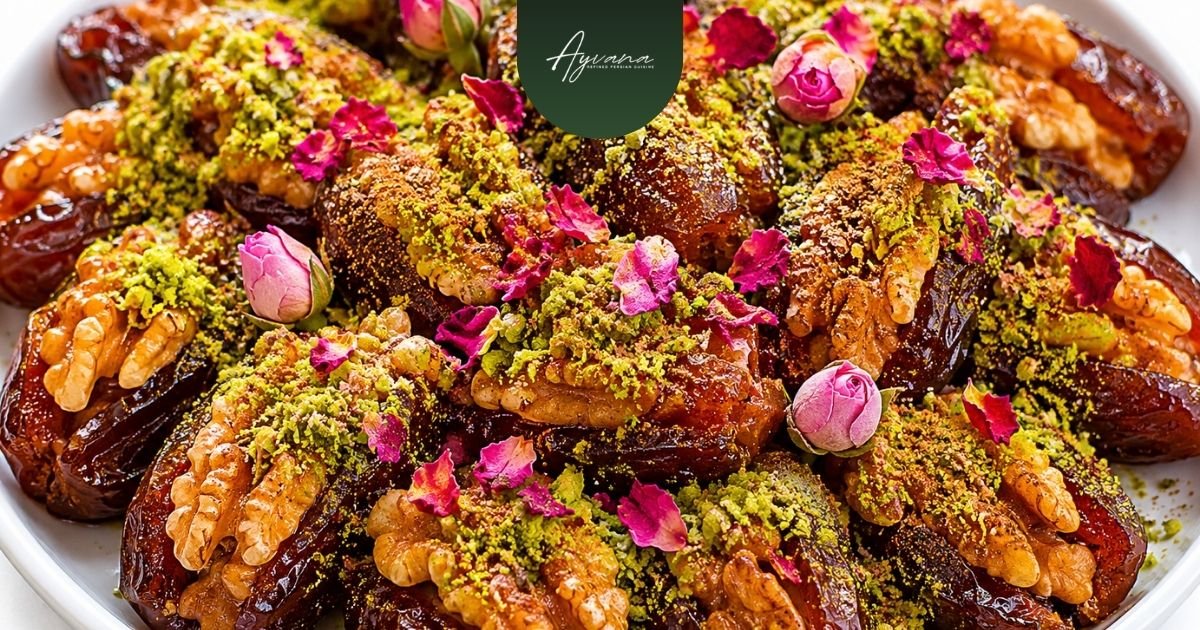
Ranginak
Ranginak is a traditional Persian dessert with roots in southern Iran, particularly in regions where dates are an important part of the local cuisine. It is typically made with soft dates filled with walnuts and flavored with cinnamon and other warm spices.
The combination of sweet dates, crunchy walnuts, and aromatic cinnamon creates a rich yet balanced flavor profile that has made it a longtime favorite in Persian households.
Ranginak is often served during family gatherings, holidays, and special celebrations, where it is shared alongside tea and other traditional sweets. Its simple ingredients and natural sweetness reflect the regional traditions and hospitality that are central to Persian dessert culture.
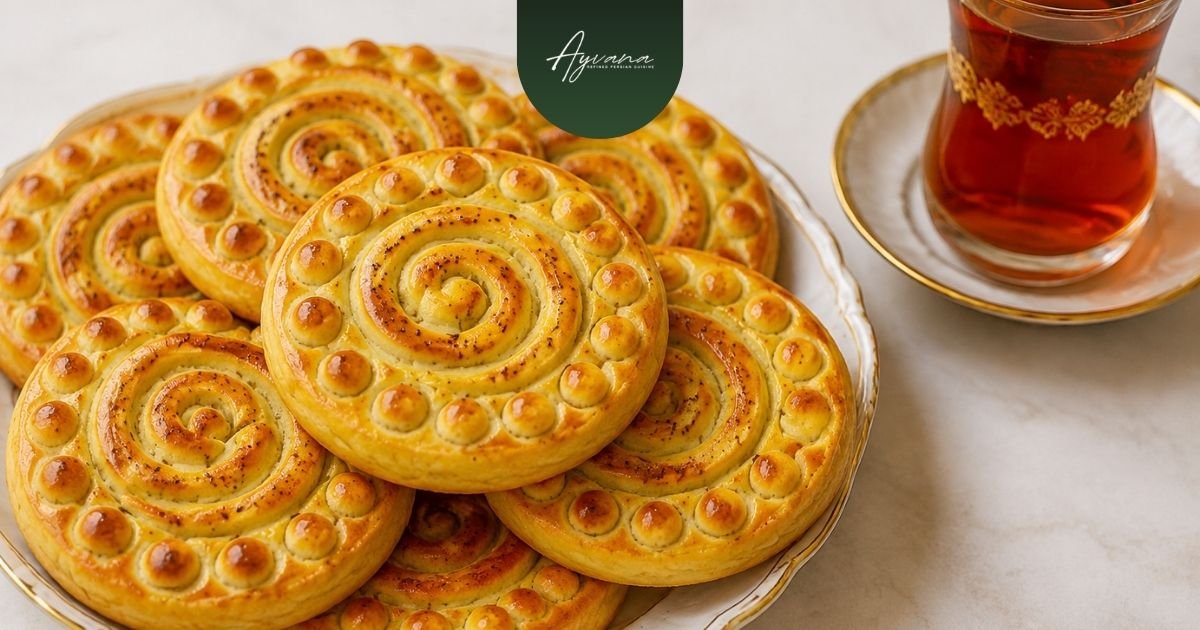
Koloocheh
Koloocheh is a traditional Persian filled cookie enjoyed throughout Iran, with several regions known for their own unique recipes and baking styles. These soft, round pastries are commonly filled with dates, walnuts, or other nut mixtures and lightly flavored with aromatic spices.
The texture of koloocheh is tender and slightly crumbly, while the filling adds natural sweetness and richness. Different regions may vary the shape, filling, or spice blend, reflecting the diversity of Persian baking traditions.
Koloocheh is often prepared for holidays, celebrations, and family gatherings, where it is served alongside Persian tea.
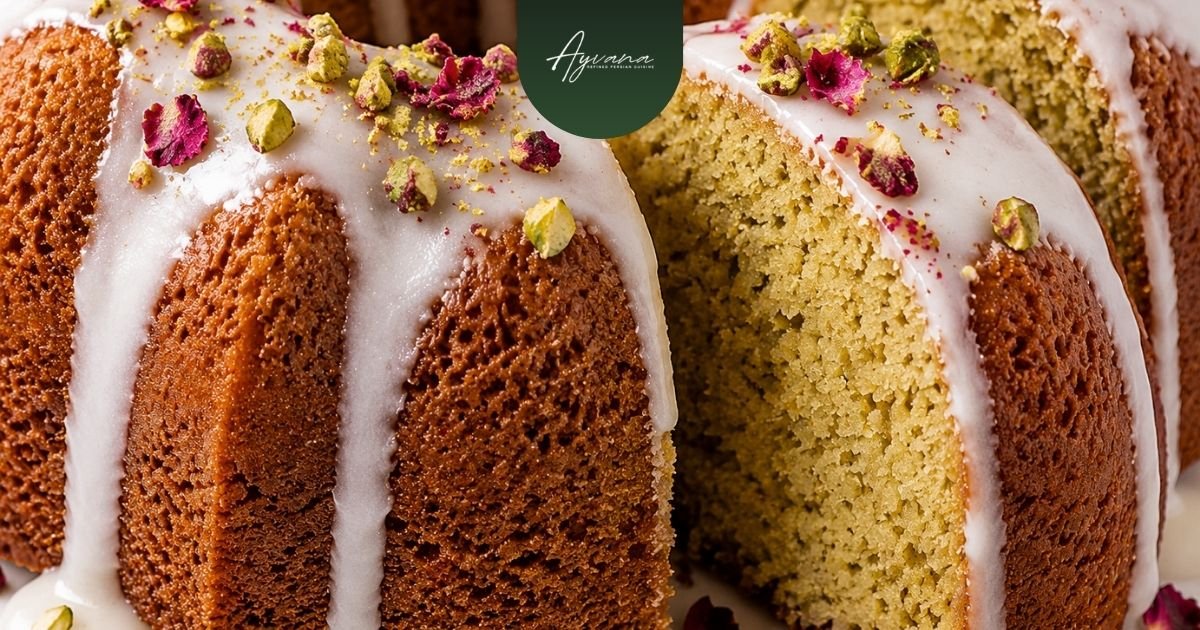
Persian Love Cake
Persian Love Cake is a modern dessert inspired by the signature flavors of Persian cuisine. Typically made with almond flour, rosewater, cardamom, and pistachios, it combines floral aromatics and warm spices that are commonly found in many traditional Persian desserts.
The cake is known for its moist texture and delicate flavor profile, offering a contemporary take on classic Persian ingredients. Its name and presentation have also contributed to its popularity, making it a common choice for celebrations, special occasions, and dessert menus around the world.
Despite its growing association with Persian cuisine, Persian Love Cake is not considered a centuries-old traditional Iranian dessert. Instead, it is a modern creation inspired by Persian culinary traditions and flavor combinations. For that reason, Persian Love Cake is often viewed as a contemporary interpretation of Persian flavors rather than a traditional Iranian dessert passed down through generations.
While it may not have the same historical roots as desserts like Bastani Sonnati or Sholeh Zard, Persian Love Cake has helped introduce many people to the distinctive flavors of saffron, rosewater, cardamom, and pistachios.
What makes Persian desserts unique?
Here are some of the qualities that define traditional Persian sweets and make them unique.
Floral Aromatics Instead of Heavy Sweetness
Many Persian desserts are designed to be fragrant and balanced rather than intensely sweet. Common ingredients include:
- Rosewater for delicate floral notes
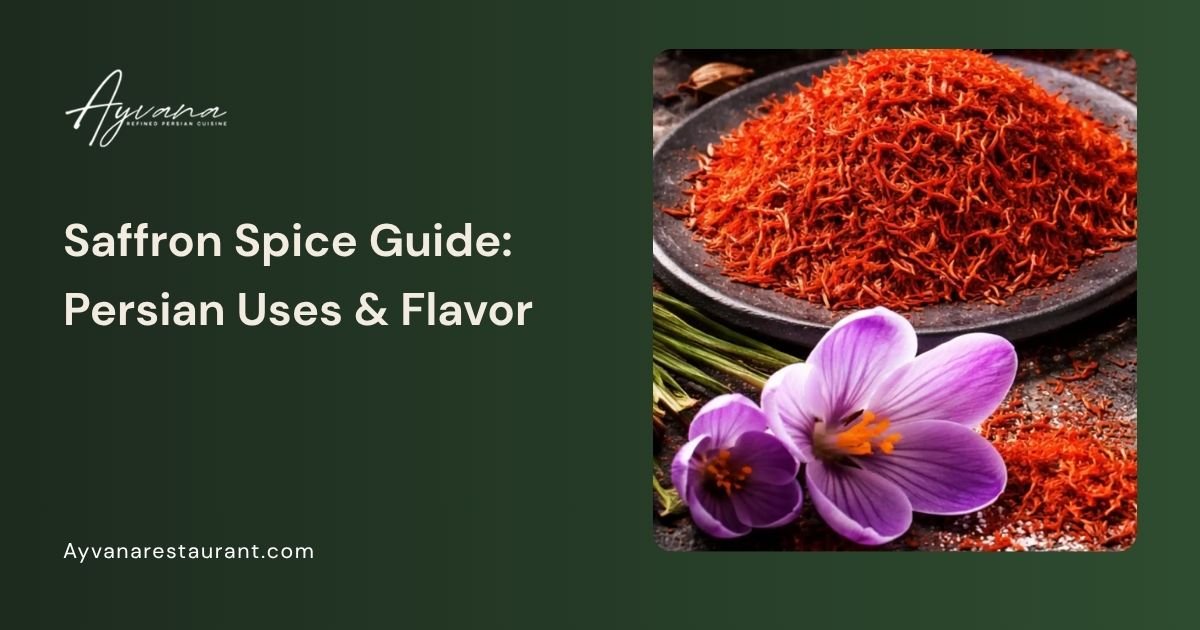
- Saffron for aroma, color, and depth of flavor
- Orange blossom water for light citrus-floral accents
- Moderate sweetness that allows other flavors to stand out
Nuts and Spices Shape the Flavor Profile
Persian sweets often rely on nuts and spices to create complexity and texture. Popular ingredients include:
- Pistachios for crunch and richness
- Almonds for a subtle nutty flavor
- Cardamom for warmth and fragrance
- Cinnamon for depth and aroma
Texture Is Just as Important as Flavor
Persian desserts are known for their variety of textures. Silky desserts like Sholeh Zard, crispy pastries such as zoolbia, chewy confections like gaz, and refreshing frozen treats like faloodeh all contribute to a diverse dessert culture where texture plays an important role in the overall experience.
Ancient Culinary Influences Still Remain
Many traditional Persian desserts reflect centuries of culinary heritage and regional traditions. Their development has been shaped by:
- Long-standing Persian culinary practices
- Regional specialties from different parts of Iran
- Historical trade routes that introduced valuable spices and ingredients
- Generations of handcrafted dessert-making traditions
Persian Desserts Compared to Other Dessert Traditions
Compared to many Western desserts, Persian sweets often emphasize floral aromas, balanced sweetness, and refreshing flavors rather than heavy richness.
They also differ from many other Middle Eastern desserts through their prominent use of saffron, rosewater, cardamom, and pistachios, creating a flavor profile that is both distinctive and deeply rooted in Persian culinary heritage.
The Role of Desserts in Persian Culture and Hospitality
In Persian culture, desserts are more than a way to end a meal. They are closely connected to hospitality, celebrations, religious traditions, and social gatherings. Serving sweets is often seen as a gesture of welcome, generosity, and respect for guests.
Welcoming Guests with Tea and Sweets
Offering tea and sweets is a long-standing Persian tradition. Whether gathering with family, visiting friends, or welcoming guests into the home, desserts are often served alongside Persian tea to create a warm and inviting atmosphere.
Desserts During Nowruz Celebrations
Nowruz, the Persian New Year, is one of the most important celebrations in Iranian culture. During this time, families prepare and share a variety of sweets as part of welcoming the new year and gathering with loved ones.
These desserts often symbolize:
- Prosperity and abundance
- Joy and celebration
- Family togetherness
- The arrival of spring and renewal
Ramadan and Special Religious Occasions
Many Persian desserts are associated with religious traditions and community gatherings. Zoolbia and Bamieh are especially popular during Ramadan, when they are enjoyed during evening meals and shared among family and friends.
Family Gatherings and Celebrations
Persian desserts also play an important role in weddings, birthdays, holiday meals, and other milestones. Many families serve favorite sweets alongside tea as part of larger celebrations that bring multiple generations together.
Common occasions include:
- Weddings and engagement celebrations
- Birthday gatherings
- Holiday meals and family reunions
- Special cultural and seasonal events
The ingredients found in these desserts are not chosen by chance. Saffron, rosewater, pistachios, cardamom, and other staples have deep cultural and historical significance, helping shape the distinctive flavors that define traditional Persian sweets.
Common Ingredients Found in Traditional Persian Desserts
Many Persian desserts share common ingredients that contribute to their unique flavor profiles and cultural significance. Some of the most widely used ingredients include:
- Saffron: One of the most prized ingredients in Persian cuisine, saffron is valued for its golden color, distinctive aroma, and subtle flavor. It appears in desserts such as Bastani Sonnati, Sholeh Zard, and Sohan.
- Rosewater: A signature ingredient in many Persian sweets, rosewater adds delicate floral notes and reflects centuries of Persian culinary tradition.
- Pistachios and Almonds: These nuts provide richness, texture, and visual appeal while playing an important role in many traditional desserts, including baklava, gaz, and Persian saffron ice cream.
- Cardamom and Aromatic Spices: Cardamom, cinnamon, and other spices help create warmth, balance, and complexity without overwhelming sweetness.
- Dates, Honey, and Natural Sweeteners: Long before refined sugar became common, dates and honey were used to sweeten desserts naturally and continue to feature in traditional sweets such as ranginak.
- Rice Flour and Semolina: These foundational ingredients help create the soft, delicate, and crisp textures found in a variety of Persian puddings, pastries, and cookies.
Persian Tea and Dessert Pairings
Tea and dessert are inseparable parts of Persian hospitality. Traditional sweets are often served alongside tea during gatherings, celebrations, and everyday visits, creating a balanced experience that highlights the flavors of both.
Persian Black Tea with Pastries and Baklava
Persian black tea is commonly paired with pastries and nut-based desserts such as baklava, gaz, and sohan. The tea’s bold flavor helps balance the sweetness of these treats while complementing their rich textures.
Saffron Tea with Floral Desserts
Saffron tea is often enjoyed with desserts that feature floral ingredients such as rosewater, saffron, and cardamom.
Pairings like Bastani Sonnati, Sholeh Zard, and Persian Love Cake work particularly well because the shared aromatic notes create a balanced and cohesive flavor experience.
Sugar Cube Traditions and Tea Rituals
A traditional Persian tea custom involves placing a small sugar cube in the mouth while sipping tea. This practice allows the sweetness to blend gradually with the tea and is often enjoyed when serving desserts to guests.
Why Tea Enhances Persian Desserts
Tea does more than accompany dessert. It helps balance sweetness, refresh the palate, and highlight the subtle floral and spice notes that define many Persian sweets.
Together, tea and dessert create a dining experience rooted in conversation, hospitality, and tradition, making them an essential part of Persian culture.
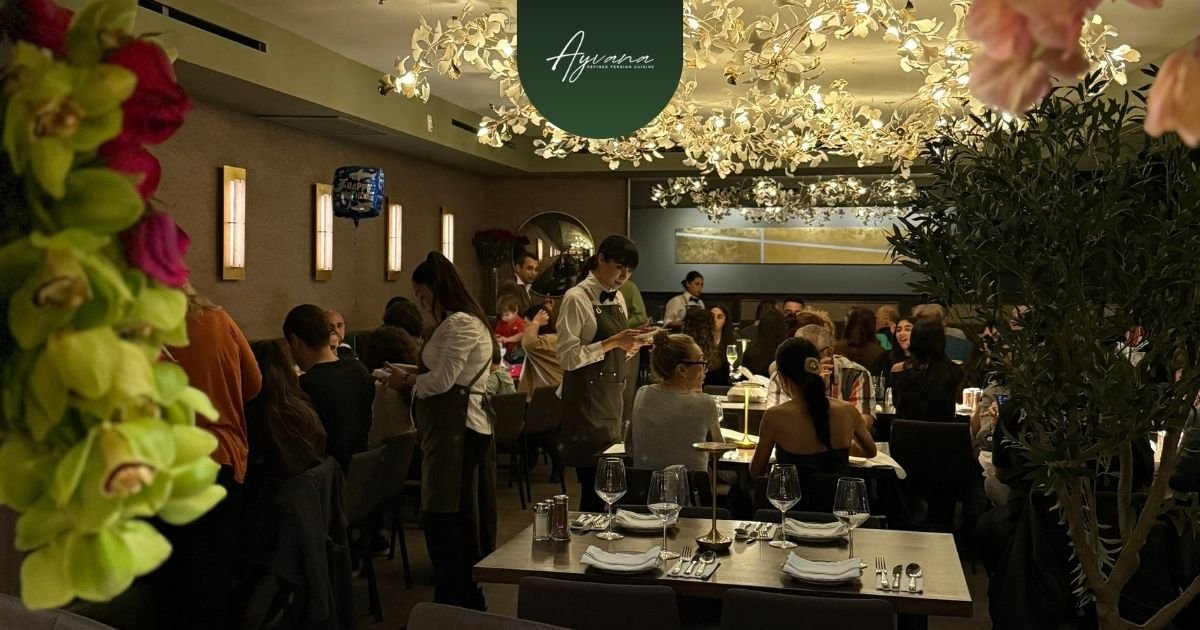
Where to Try Authentic Persian Desserts in Tarzana
Learning about Persian desserts offers insight into their history and ingredients, but experiencing them as part of a traditional Persian meal brings those flavors and traditions to life.
Desserts are often served alongside Persian tea and enjoyed within a broader culture of hospitality, conversation, and shared dining.
For those looking to explore authentic Persian desserts in Tarzana, Ayvana Persian Restaurant offers traditional Persian cuisine in a warm, family-oriented setting rooted in Persian hospitality. Guests can enjoy classic sweets such as Bastani Sonnati (Persian saffron ice cream), Faloodeh, Zoolbia and Bamieh, and Persian baklava while experiencing the tea service and traditions that have long been part of Persian dining culture.
To explore Ayvana’s offerings, browse our restaurant menu and discover traditional Persian dishes and desserts available throughout the dining experience.
After lunch, dinner, family gatherings, or special occasions, enjoy a traditional Persian dessert and tea service at Ayvana. Visit our reservations page to book your table and experience authentic Persian hospitality in Tarzana.
Conclusion
Traditional Persian desserts offer much more than sweetness. From the saffron-infused richness of Bastani Sonnati and Sholeh Zard to the refreshing flavors of Faloodeh and the delicate layers of Persian baklava, these desserts reflect centuries of culinary tradition, hospitality, and craftsmanship.
Their distinctive use of saffron, rosewater, pistachios, and aromatic spices creates a dessert experience that is both flavorful and culturally meaningful.
If you’d like to experience authentic Persian desserts in Tarzana, visit Ayvana Persian Restaurant and enjoy traditional sweets served alongside Persian tea as part of a complete Persian dining experience.