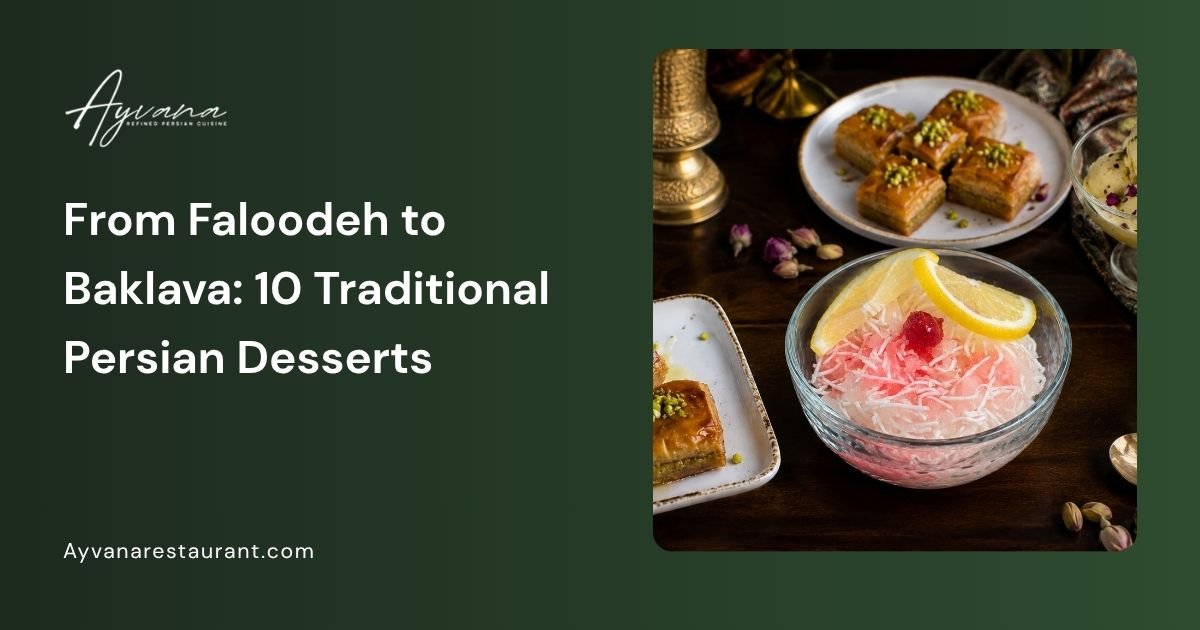
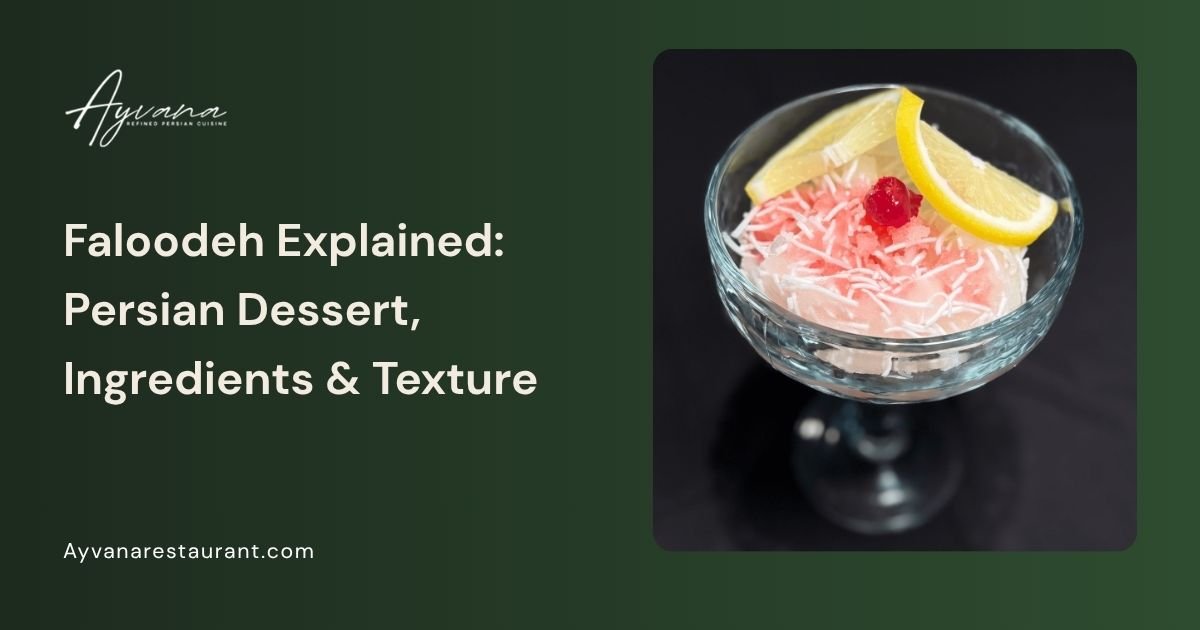
Faloodeh is one of the most distinctive desserts in Persian cuisine. Unlike ice cream, it is a frozen dessert made with thin noodles, sweet syrup, and a touch of citrus, creating a combination of texture and flavor that feels light and refreshing.
This guide explains what faloodeh is, what it is made of, how it tastes, and how it differs from both Persian ice cream and similarly named desserts like falooda.
Here is the Quick Answer:
Faloodeh is a traditional Persian frozen dessert made with thin rice noodles, rosewater syrup, sugar, and lime. It has a light, icy texture with a slight chew from the noodles and a refreshing balance of sweet and tangy flavors. Unlike ice cream, it is dairy-free and often served on its own or paired with Persian ice cream (bastani).
What Is Faloodeh?
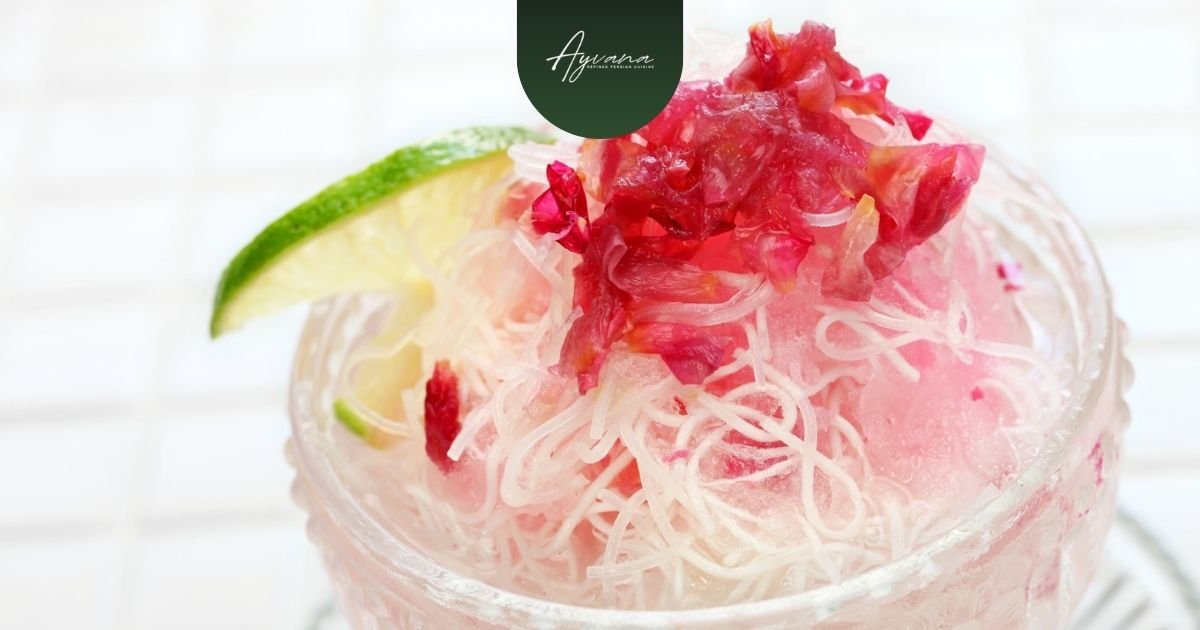
Faloodeh is a traditional Persian frozen dessert made from thin rice noodles mixed with a sweet, rosewater-based syrup and served chilled or semi-frozen.
It is not technically ice cream. Instead of a creamy base, faloodeh relies on ice and syrup to create a light, crystalline texture. The noodles give it structure, while lime juice is often added just before serving to introduce a subtle sour note.
This combination of cold, sweet, and tangy elements makes faloodeh especially refreshing.
Is Persian Faloodeh a Type of Ice Cream?
Faloodeh is sometimes described as “faloodeh ice cream,” but it is not a true ice cream.
The confusion comes from how it is served and consumed. Like ice cream, it is cold and sweet, but it does not contain a dairy base. Its texture is icy rather than creamy, and the noodles create a completely different eating experience.
When paired with Persian ice cream (bastani), the two desserts can be served together, which adds to the overlap in terminology.
What Is Faloodeh Made Of?
Faloodeh uses a small number of ingredients, each contributing to its distinctive character.
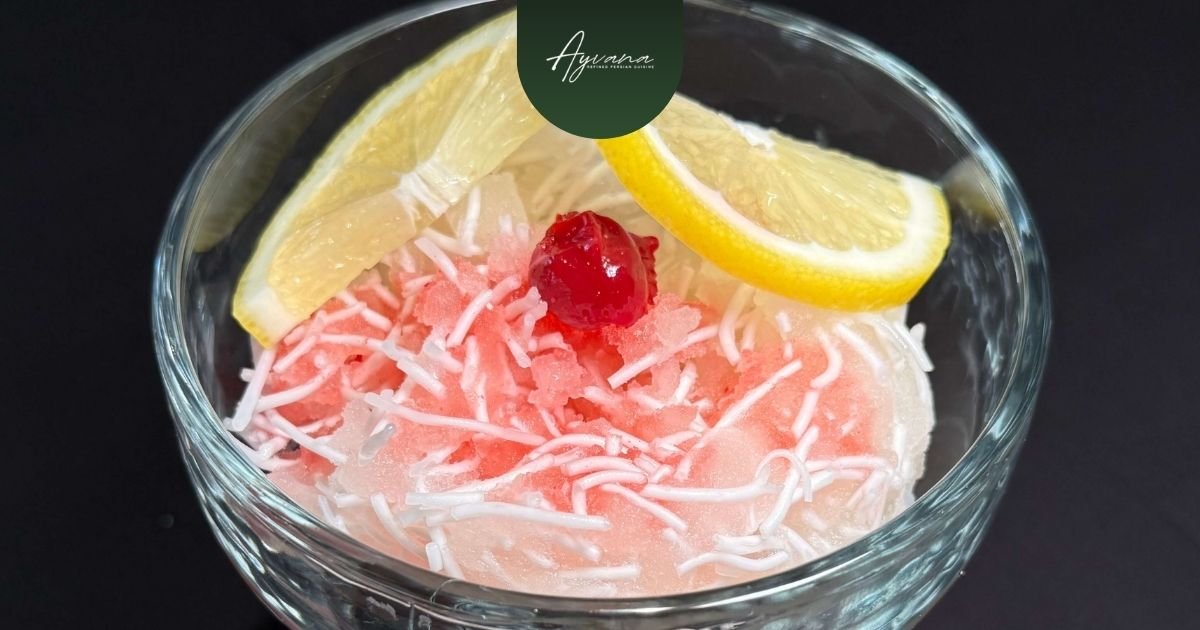
- Thin Rice Noodles (Vermicelli): The noodles are usually made from rice starch and are very thin and translucent. They provide the defining texture of the dessert, giving it a light chewiness that contrasts with the icy base.
- Rosewater Syrup: Rosewater gives faloodeh its floral aroma. Combined with sugar, it forms the sweet base that coats the noodles and carries the flavor throughout the dish.
- Sugar and Ice: Sugar provides sweetness, while crushed ice or frozen syrup creates the chilled, slightly granular texture. This combination is what separates faloodeh from smoother frozen desserts.
- Lime or Sour Elements: A squeeze of lime is often added before serving. It balances the sweetness and enhances the refreshing quality of the dessert.
What Does Faloodeh Taste Like?
Faloodeh has a flavor that is light, floral, and slightly tangy.
The rosewater creates a delicate aroma, while the sugar adds a clean sweetness. Lime introduces a mild acidity that keeps the dessert from feeling overly sweet.
The result is a refreshing taste that feels cooling and crisp rather than rich or heavy.
What Is the Texture of Persian Faloodeh?
Texture is one of the most defining aspects of faloodeh.
Unlike ice cream, which is smooth and creamy, faloodeh has an icy base combined with soft, thin noodles. The noodles add a gentle chew, while the ice provides a light crunch.
This contrast creates a layered texture that is both unusual and memorable.
Why Is Faloodeh So Unique?
Faloodeh stands out because it combines elements that are rarely found together in a dessert.
The use of noodles, the balance of sweet and sour flavors, and the absence of dairy all contribute to its distinct identity. It does not resemble typical frozen desserts, making it one of the more recognizable specialties of Persian cuisine.
How Is Persian Faloodeh Served?
Faloodeh can be served in different ways, depending on preference and setting.
- Served Alone: It is often served on its own in a bowl or cup, allowing its texture and flavor to stand out.
- With Lime Juice: Fresh lime juice is commonly added just before eating, enhancing the contrast between sweetness and acidity.
- With Ice Cream (Faloodeh Bastani): Faloodeh bastani combines faloodeh with Persian ice cream. The creamy texture of bastani contrasts with the icy, noodle-based structure of faloodeh. Together, they create a dessert that balances richness and freshness in a single dish.
When Do People Eat Faloodeh?
Faloodeh is most commonly enjoyed as a dessert, especially in warm weather.
Its cooling quality makes it a popular choice during summer, but it can also be served after meals in restaurants. Its light texture makes it suitable as a finishing dish rather than a heavy dessert.
Is Faloodeh Traditional or Modern?
Faloodeh has deep roots in Persian culinary tradition and has been enjoyed for centuries.
Despite its long history, it remains widely available today, both in traditional settings and modern restaurants. While variations may exist, the core elements of the dish have remained consistent.
What Is the Difference Between Falooda and Faloodeh?
Faloodeh and falooda are often confused because of their similar names, but they are distinct desserts.
Faloodeh is a Persian frozen dessert made with noodles and rosewater syrup. Falooda, found in South Asian cuisine, is typically a layered dessert or drink that includes milk, ice cream, basil seeds, and syrups.
The structure, ingredients, and presentation differ significantly, even though both may include noodles and sweet flavors.
Why Do People Confuse Faloodeh and Falooda?
The confusion comes from the similarity in names and a few shared elements, such as sweetness, rose flavors, and the use of thin noodles.
However, the cultural origins and overall experience of the two desserts are different, which becomes clear once they are seen or tasted.
Faloodeh in the Persian Dining Experience
In Persian dining, desserts often provide contrast to the main meal.
Faloodeh serves this role by offering a refreshing, light finish after dishes that may be rich or herb-based. Its balance of sweetness and acidity helps reset the palate and complete the meal.
Where to Try Faloodeh in Tarzana
Understanding faloodeh through description provides a foundation, but tasting it offers a clearer sense of its texture and balance.
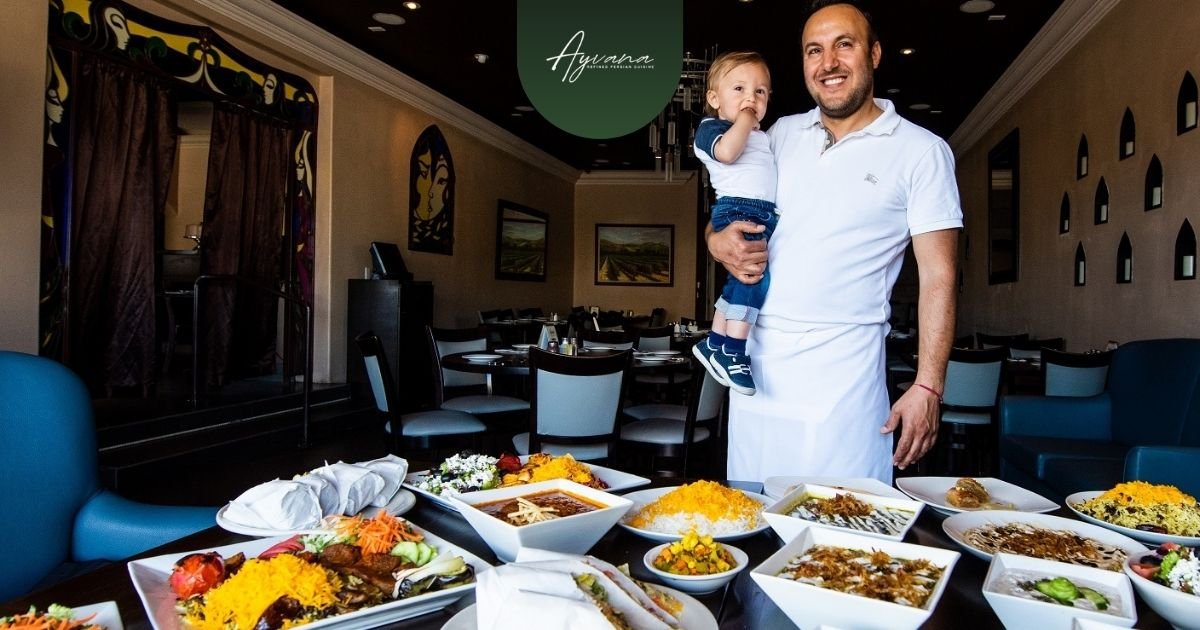
At Ayvana Persian restaurant in Tarzana, faloodeh can be experienced alongside traditional dishes, allowing diners to see how it fits into a full Persian meal.
Try Persian Faloodeh at Ayvana Persian Restaurant
Faloodeh is one of the most distinctive Persian desserts and offers a different experience from more familiar sweets.
At Ayvana, it can be enjoyed as part of a complete dining experience, where its refreshing qualities complement the flavors of the main dishes.