Persian cuisine is not just about individual dishes. It’s about how those dishes come together. A full Persian dining experience is built around balance, variety, and sharing, which can feel unfamiliar if you’re used to ordering one main dish per person.
For first-time diners, the menu can feel overwhelming. There are kebabs, stews, rice dishes, sides, and unfamiliar names that don’t clearly explain what to expect. This guide walks you through the experience step by step, so you can order confidently and understand how everything fits together.
If you want a broader overview before choosing, our guide on the most famous Persian dishes in Los Angeles can help you compare kebabs, stews, rice dishes, and desserts.
Here is the Quick Answer:
A full Persian dining experience is built around sharing a mix of appetizers, mains, rice, and sides rather than ordering individual dishes. Start with a few small plates, choose a combination of kebabs or stews, include rice as a central element, and add sides for balance. Ordering this way helps you experience the full range of flavors and textures Persian cuisine is known for.
What is a Persian dining experience?
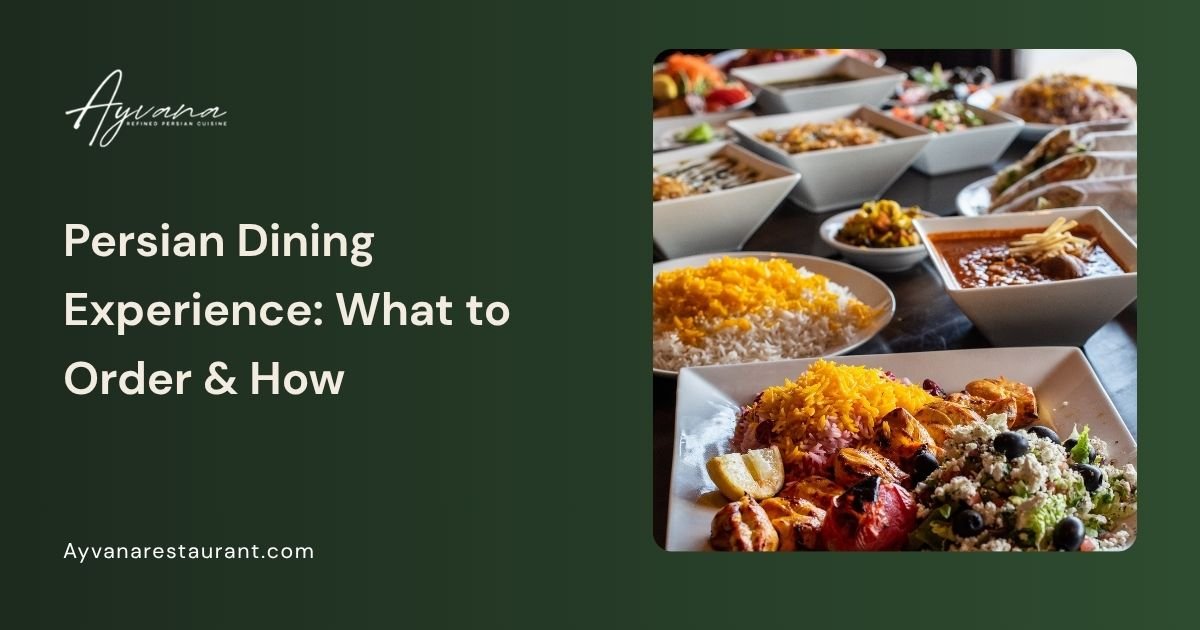
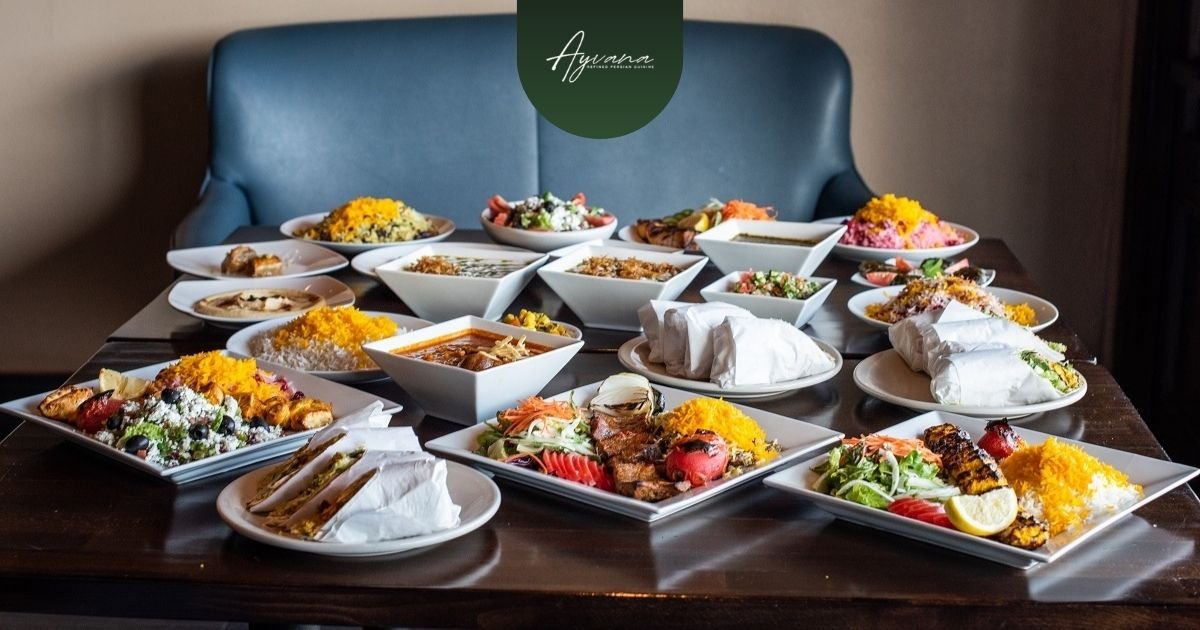
A Persian dining experience is a shared, multi-dish meal designed to create contrast and balance across flavors and textures. Instead of focusing on a single main course, the meal brings together several components that complement each other.
At the center of the table, you’ll typically find rice, one or more main dishes, and a variety of sides. Fresh herbs, yogurt-based dishes, and bread are often included to balance richness with freshness. Meals are meant to be shared, with each person taking from multiple dishes rather than eating individually plated meals.
Compared to Western dining, where courses are often served in sequence, Persian meals are more fluid. Many dishes arrive together, and the experience is built around combining bites rather than following a strict order.
How Persian Meals Are Structured (Before You Order)
Understanding the structure of a Persian meal makes ordering much easier. While restaurants may vary slightly, most meals follow a consistent flow.
A typical Persian dining experience includes:
- appetizers or starters to begin the meal
- one or more main dishes, often shared
- rice as a central component, not just a side
- a range of sides and accompaniments
- drinks and, optionally, dessert or tea
Rather than being served in strict courses, many of these elements are brought to the table together. This allows diners to mix and match flavors throughout the meal.
Rice plays a particularly important role. It is not secondary. It acts as the foundation that ties everything together, especially when paired with stews or kebabs.
Step-by-Step: How to Order a Full Persian Dining Experience
Ordering a full Persian dining experience becomes much easier when you break it into a few simple steps that reflect how the meal is traditionally built.
Step 1: Start with Traditional Persian Appetizers
Appetizers set the tone for the meal. They are usually lighter dishes that introduce key flavors such as herbs, eggplant, and yogurt.
Common options include dips, soups, and fresh salads. These are typically shared and eaten with bread, making them a natural starting point for the table.
As a general guideline:
- order 2–3 appetizers for a small group
- focus on variety rather than quantity
- choose a mix of warm and cold items
This helps create contrast early in the meal without feeling too heavy.
Step 2: Choose the Right Persian Main Dish
The main dishes define the experience, and they usually fall into three categories:
- kebabs → grilled meats with a smoky, savory flavor
- stews (khoresh) → slow-cooked, rich, and often slightly tangy
- rice-based dishes (polo) → mixed rice with herbs, fruits, or legumes
Each offers a different experience.
If you prefer something familiar and straightforward, Persian kebabs are often the easiest starting point. If you want deeper, more layered flavors, stews such as ghormeh sabzi provide a more traditional experience. Rice dishes can work either as a main or as part of a larger combination.
For most first-time visits, ordering one kebab and one stew to share gives a more complete introduction to the cuisine.
Step 3: Understand Persian Rice (It’s Not Just a Side)
Rice is central to Persian dining. It is prepared with careful technique to achieve light, separate grains and is often paired with tahdig, the crispy rice layer prized in Persian cooking.
As explained in our guide about Different Persian Rice Dishes You Should Try, rice comes in several forms, from plain (chelo) to mixed dishes (polo) that include herbs, fruits, or beans.
It serves two roles:
- as a base that absorbs flavors from stews
- as a contrast to grilled meats
This is why many diners choose to order extra rice. It completes the meal rather than simply accompanying it.
Step 4: Add Sides and Accompaniments
Sides such as Shirazi salad bring balance to the meal by adding freshness, acidity, and contrast. They help offset richness and add freshness.
Common additions include:
- fresh herbs and greens
- yogurt-based dishes
- pickled vegetables
- bread for sharing
These are meant to be combined with main dishes rather than eaten separately. A bite of kebab, rice, and herbs together often gives a better sense of the cuisine than any single element on its own.
Step 5: Pair with Traditional Drinks or Wine
Drinks can enhance the overall experience, especially when they complement the flavors of the meal.
Traditional options such as yogurt-based drinks are common during the meal, while tea plays a more important role toward the end. In Persian dining, tea is not just a drink. It is part of the social experience, often served after the meal as a way to extend conversation and bring the dining experience to a gradual close.
Wine is also a popular pairing in restaurant settings. For diners choosing wine, wine pairing with Persian food often works best when lighter wines are paired with herb-based or rice dishes, while balanced reds are matched with grilled meats and stews.
Choosing a drink that matches the overall meal, rather than a single dish, usually leads to a better pairing.
Step 6: Finish with Dessert the Persian Way
Dessert in Persian dining is often lighter and more aromatic than heavy. Flavors such as saffron and rosewater are common in desserts like Persian ice cream, creating a finish that feels refreshing rather than rich. For a lighter option, faloodeh offers an icy texture with rosewater and lime.
Some diners prefer to end the meal with tea instead of dessert, which is also a traditional option. The goal is to close the meal in a way that maintains the balance established throughout.
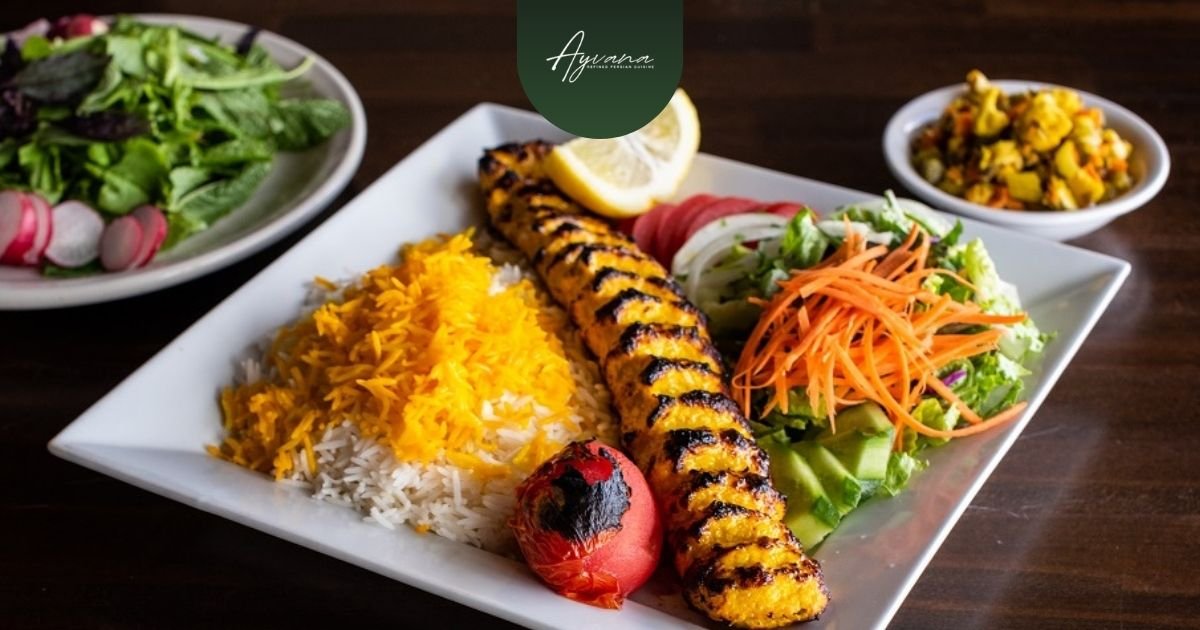
What to Order If It’s Your First Persian Dining Experience
If you’re unsure where to start, a simple combination can give you a well-rounded experience.
A good first order might include:
- one appetizer to share
- one kebab and one stew
- one or two rice dishes
- a couple of sides
This approach gives you a mix of textures and flavors without overcomplicating the meal.
For diners interested in vegetarian Persian food, dishes like kuku sabzi or adas polo can replace meat-based mains while still providing a complete experience.
Common Mistakes When Ordering Persian Food (And How to Avoid Them)
Many first-time diners make similar mistakes, mostly due to unfamiliarity with how the meal is structured.
Common issues include:
- ordering only one main dish per person instead of sharing
- treating rice as optional rather than essential
- skipping sides that balance the meal
- ordering too much without considering portion sizes
A better approach is to think in terms of variety rather than individual portions.
How to Order Persian Food for Different Situations
The way you order can change depending on the setting.
For solo dining, it’s best to choose one main dish with rice and possibly a side. For a date or small group, sharing one or two mains with a few sides creates a more balanced experience.
For larger groups, ordering multiple mains from different categories (kebabs, stews, and rice dishes) allows everyone to try a wider range of flavors.
The key is to adjust the number of dishes based on how many people are sharing.
What makes a restaurant offer a true Persian dining experience?
A true Persian dining experience goes beyond the food itself. It depends on how the meal is presented and how the flavors come together.
Key elements include:
- authentic preparation techniques
- high-quality ingredients
- a menu that reflects traditional variety
- a setting that encourages sharing and relaxed dining
When these elements come together, the experience feels cohesive rather than fragmented.
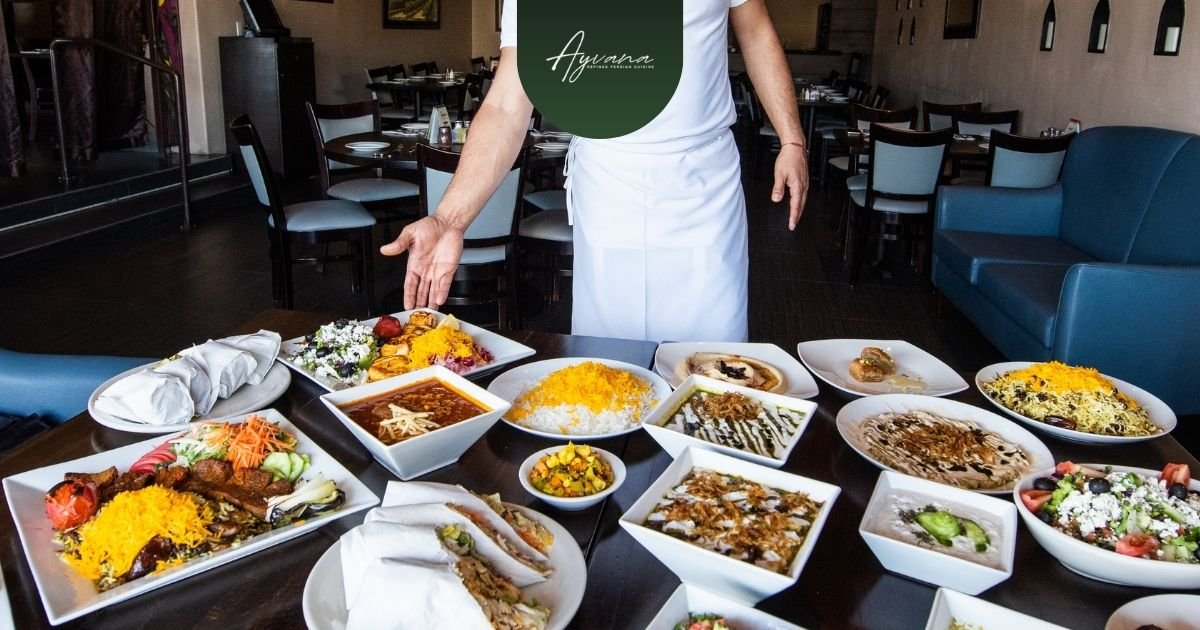
Where to Enjoy a Full Persian Dining Experience in Tarzana
Experiencing Persian food in the right setting makes a noticeable difference. When dishes are prepared and served as part of a structured meal, it becomes easier to understand how they are meant to be enjoyed.
At Ayvana Persian Restaurant in Tarzana, the menu offers a range of traditional dishes that can be combined into a full dining experience. This makes it a practical choice for both first-time visitors and those looking to explore the cuisine more deeply.
Final Tips for First-Time Persian Dining
A few simple tips can make the experience smoother:
- share dishes instead of ordering individually
- include rice as part of your meal
- try a mix of flavors and textures
- ask for recommendations if unsure
- take your time and combine bites
- wait for all dishes before starting
- combine different dishes in each bite
- pace the meal and don’t rush
These small adjustments can make a significant difference in how the meal comes together.
Conclusion
A Persian dining experience is built around balance, variety, and shared enjoyment. Once you understand how the meal is structured, ordering becomes much easier and more intuitive.
By choosing a mix of dishes and approaching the meal as a whole rather than separate parts, you can experience the full depth of Persian cuisine with confidence.