Persian cuisine is often associated with kebabs and slow-cooked meats, but that’s only part of the picture. In reality, many traditional dishes are built around herbs, legumes, vegetables, and rice. From hearty stews to fresh sides and aromatic rice dishes, there is a wide range of vegetarian Persian food that offers depth, balance, and variety.
This guide walks through the most popular meat-free Persian dishes, how they taste, and what to order if you’re exploring the cuisine for the first time.
Here is the Quick Answer:
Vegetarian Persian food includes a wide range of meat-free dishes built around herbs, legumes, rice, and vegetables. Popular options include eggplant-based dishes like kashk-e bademjan, herb-rich meals such as kuku sabzi, lentil dishes like adas polo, and plant-based versions of traditional stews like ghormeh sabzi. These dishes are known for balanced flavors (herby, tangy, and aromatic rather than spicy) and are often served as part of a shared meal with multiple sides.
Is Persian food vegetarian-friendly?
Yes, Persian cuisine is more vegetarian-friendly than many people expect. While meat is common, a large part of the cuisine relies on plant-based ingredients such as fresh herbs, lentils, beans, eggplant, and rice, many of which are core ingredients in Persian cuisine.
Some dishes are naturally vegetarian, especially appetizers, soups, and certain rice dishes. Others can be easily adapted by removing meat or using vegetable-based alternatives without losing their identity.
This flexibility comes from how Persian cooking builds flavor through herbs, slow cooking, and balanced seasoning. Instead of relying heavily on meat, it often uses slow cooking, herbs, and balanced seasoning to create depth. That makes it possible for many dishes to remain satisfying even without meat.
Most Popular Vegetarian Persian Dishes You Should Try
Persian cuisine includes a wide range of vegetarian dishes that go beyond simple sides. From rich stews and rice-based meals to lighter appetizers and fresh accompaniments, these dishes highlight how herbs, legumes, and vegetables are used to create depth and balance without relying on meat.
Vegetarian Persian Starters, Sides & Light Dishes
This category includes traditional starters, side dishes, and a few light, everyday meals that are often served at the table or enjoyed on their own.
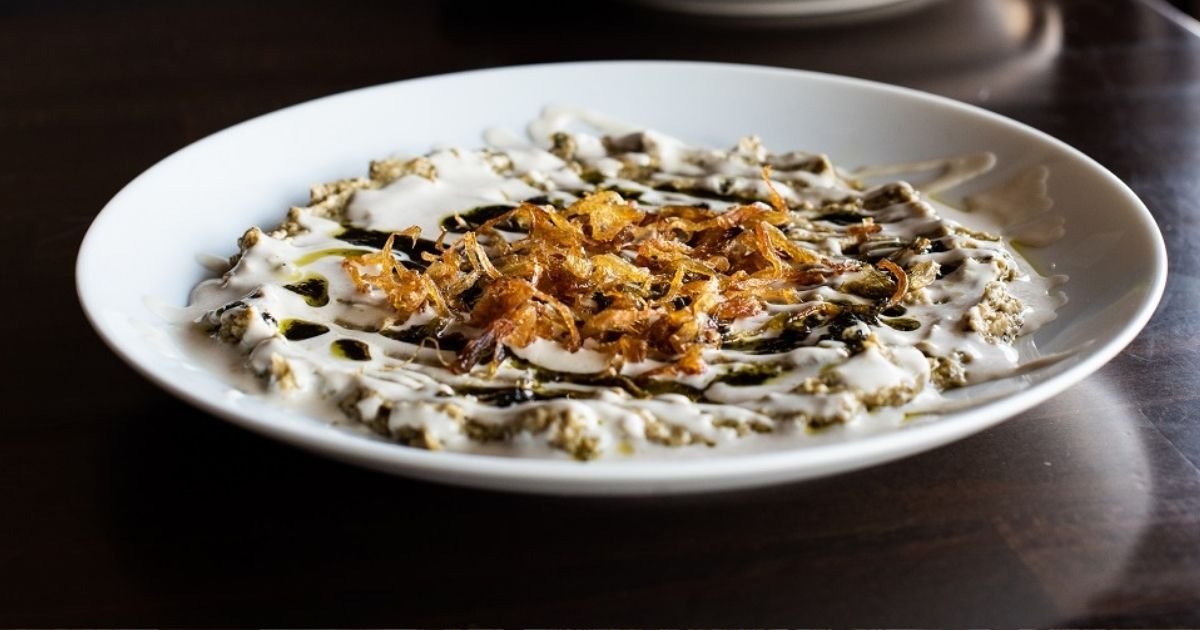
Kashk-e Bademjan
A warm eggplant dip made with cooked eggplant, garlic, onion, and kashk (a fermented dairy ingredient). It has a smooth texture and a rich, slightly tangy flavor.
Who will like it? Those who enjoy creamy, savory dips
When to order it? As a starter to share
Mirza Ghasemi
A smoky eggplant dish mixed with garlic and tomato. It is softer and more rustic in texture, with a noticeable charred flavor. Mirza ghasemi traditionally includes eggs but can be prepared without them.
Who will like it? Fans of smoky, bold vegetable dishes
When to order it? As an appetizer or side
Ash Reshteh
A thick soup made with herbs, beans, and noodles, often topped with kashk. It has a hearty texture and a layered, savory taste, often served as a light meal rather than a simple side.
Who will like it? Anyone looking for a filling, comforting dish
When to order it? As a light meal or a filling starter
Adasi
A simple lentil dish with a mild, comforting flavor. It is light, nourishing, and often eaten as a casual meal.
Who will like it? Those looking for something simple and nourishing
When to order it? As a light meal
Borani
A yogurt-based dish mixed with vegetables such as spinach or eggplant. It is cool, creamy, and slightly tangy.
Who will like it? Those who prefer lighter, refreshing sides
When to order it? Alongside heavier dishes
Salad Shirazi
Salad Shirazi, a classic Persian salad, is made with finely chopped cucumber, tomato, and onion with lemon juice. It is crisp, refreshing, and slightly tangy.
Who will like it? Anyone wanting something fresh and light
When to order it? With rice or stews
Sabzi Khordan
A platter of fresh herbs, radishes, and greens served with bread. It adds freshness and balance to the meal.
Who will like it? Those who enjoy raw, herb-forward flavors
When to order it? As a side to complement any dish
Persian Vegetarian Main Dishes (Stews, Rice & Hearty Meals)
These dishes are more filling and often form the center of a meal.
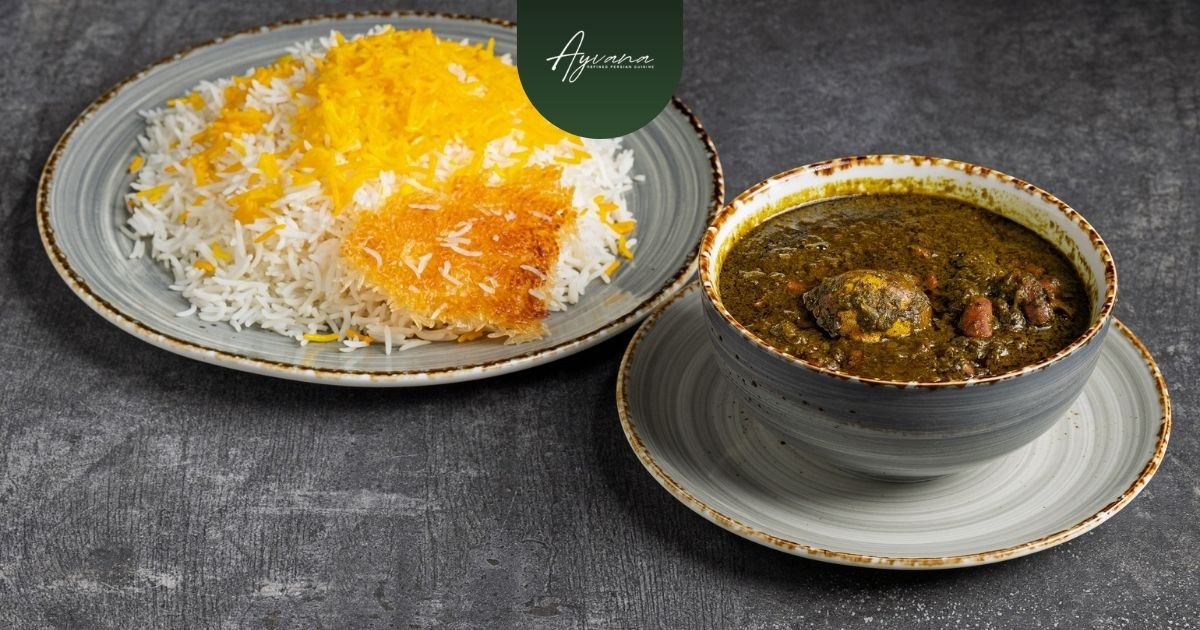
Vegetarian Ghormeh Sabzi
A herb-based stew adapted from ghormeh sabzi, a classic Persian herb stew, made without meat but still using beans, dried lime, and a blend of parsley, cilantro, and fenugreek. It has a deep, earthy flavor with a subtle sour note.
Who will like it? Those who enjoy rich, slow-cooked dishes
When to order it? When you want a traditional Persian experience without meat
Adas Polo
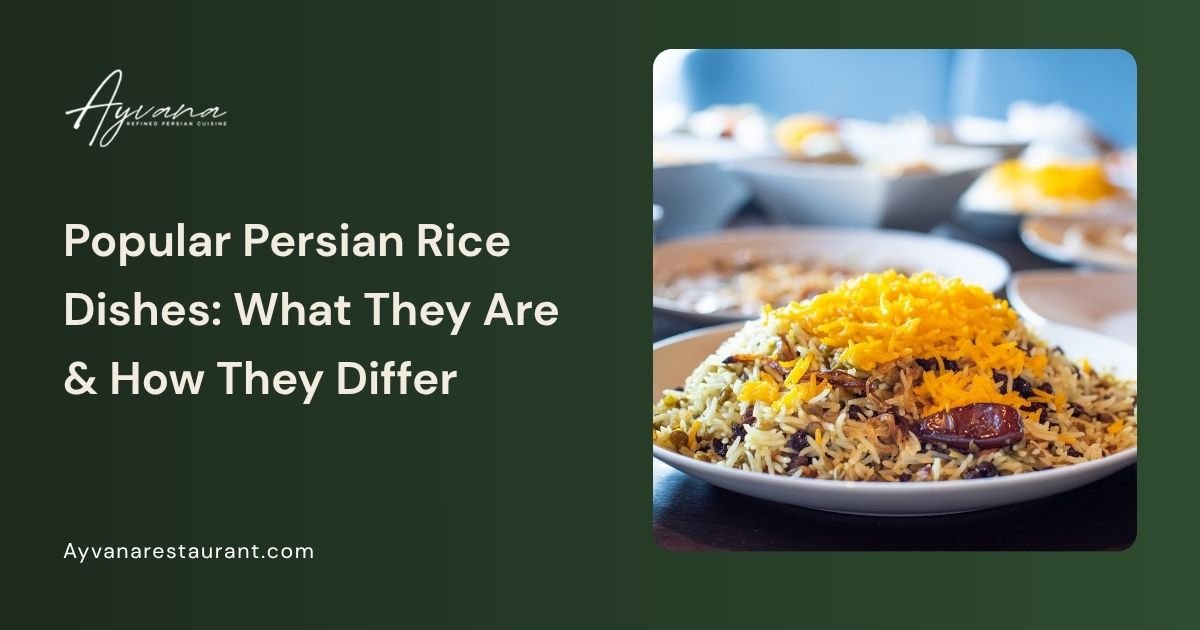
Adas polo is one of several Persian rice dishes, made with lentils, rice, and sometimes raisins or dates. It has a slightly sweet and savory profile with a soft, hearty texture.
Who will like it? Those who enjoy balanced sweet-savory dishes
When to order it? As a complete meal
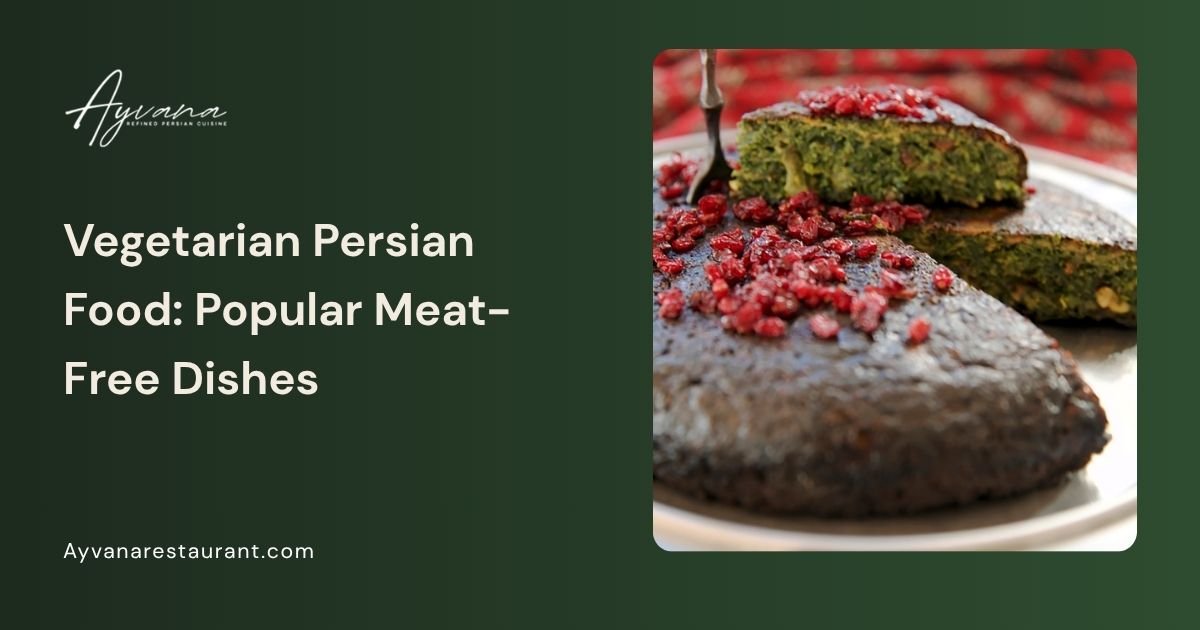
Kuku Sabzi
A herb-packed frittata made with eggs and chopped greens. It is light but flavorful, with a dense, sliceable texture.
Who will like it? Those who prefer lighter, herb-forward meals
When to order it? As a main or shared dish
Dolmeh (Vegetarian Stuffed Vegetables)
Vegetables such as grape leaves or peppers stuffed with rice, herbs, and spices. They are tender, slightly tangy, and aromatic.
Who will like it? Those who enjoy bite-sized, flavorful dishes
When to order it? As a main or shared plate
Sabzi Polo (Vegetarian Option)
Rice mixed with fresh herbs such as dill and parsley. It has a light, fragrant taste and is often served with plant-based sides.
Who will like it? Those who prefer lighter, aromatic rice dishes
When to order it? As part of a balanced meal
Persian Vegetarian Desserts & Drinks
Persian desserts often focus on aroma and light sweetness rather than richness.
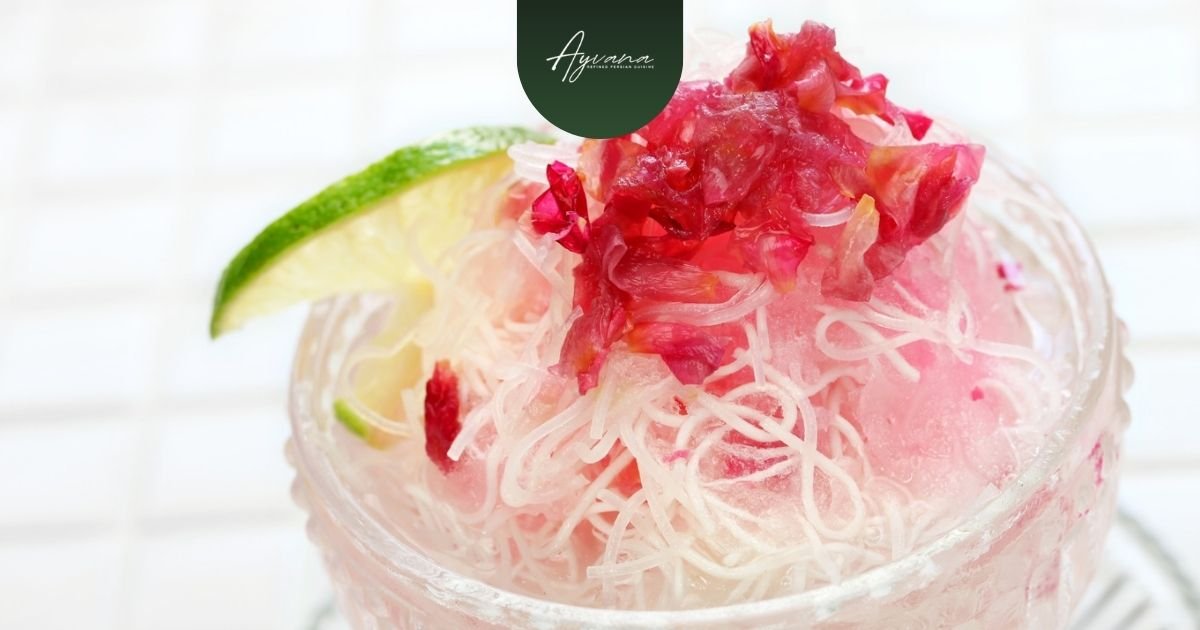
Faloodeh
Faloodeh, a refreshing Persian frozen dessert, is made with thin rice noodles, rosewater syrup, and lime. It has a light, icy texture and a refreshing sweet-tangy flavor.
When served? As a dessert, especially in warm weather
Who will like it? Those who enjoy refreshing, slightly tangy desserts with a unique texture
Sholeh Zard
A saffron rice pudding flavored with rosewater and often topped with nuts. It has a soft texture and a lightly sweet, aromatic taste.
When served? After meals or during gatherings
Who will like it? Those who enjoy soft, mildly sweet desserts with floral notes
Persian Vegan Dishes (Fully Plant-Based Options)
Persian cuisine includes many dishes that are naturally vegan or can be easily adapted.
Naturally vegan or easily modified options include:
- Mirza Ghasemi (without eggs if modified)
- Vegan Ghormeh Sabzi (prepared without meat)
- Vegan Fesenjan (made without meat, using walnuts and pomegranate)
- Adasi
- Loobia Chiti (bean-based dishes)
- Vegan Kashk-e Bademjan (using plant-based alternatives)
- Sholeh Zard (saffron rice pudding, typically dairy-free)
Many Persian dishes rely on plant-based ingredients, making them suitable for vegan diets with minor adjustments.
How to Choose the Right Vegetarian Persian Dish
If you are new to Persian cuisine, choosing the right dish can make a big difference. Some dishes are stew-based and slow-cooked, offering deeper, richer flavors, while rice dishes tend to be lighter and more balanced. Others, like soups and lentil-based dishes, fall somewhere in between and are often eaten as light meals.
- If you like creamy and rich flavors → Try kashk-e bademjan
- If you enjoy herbs and fresh flavors → Try kuku sabzi or sabzi polo
- If you want something filling → Try a stew like Vegetarian Ghormeh Sabzi or a rice dish like Adas Polo
- If you prefer light dishes → Try salad shirazi or borani
Mixing a main dish with a few sides often gives the best experience.
Key Ingredients in Vegetarian Persian Cooking
Vegetarian Persian cuisine is built on a few essential ingredients:
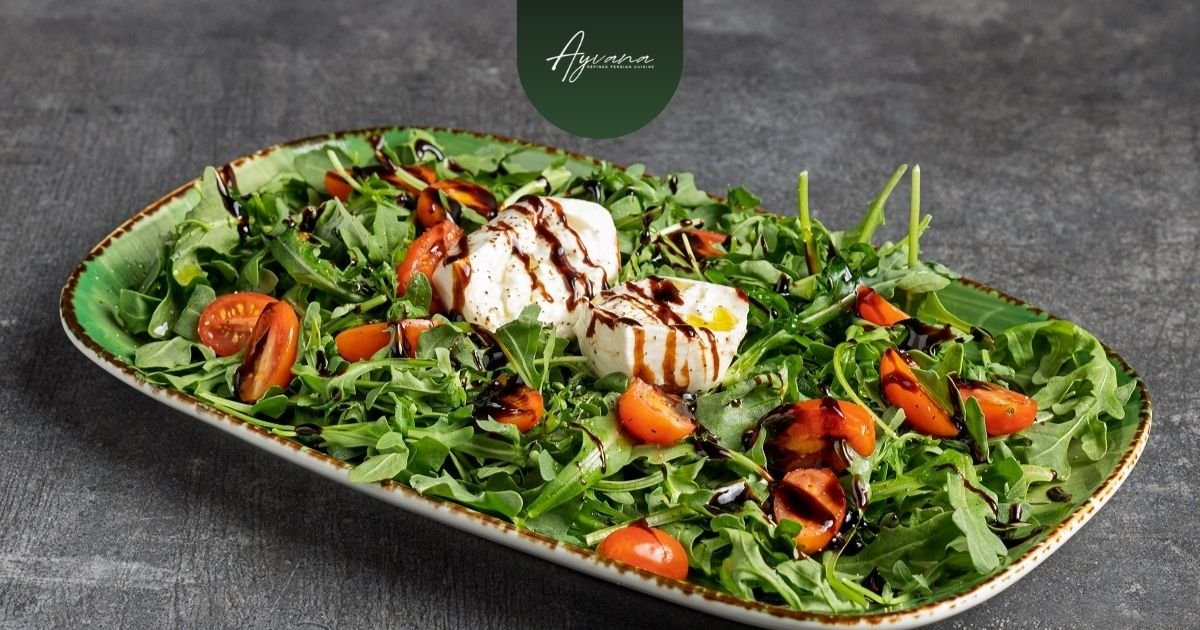
Fresh Herbs: Parsley, cilantro, dill, and fenugreek are used in large quantities, not just as garnish. They define the flavor of many dishes.
Legumes: Lentils, beans, and chickpeas provide protein and texture in many meals.
Rice: A central part of Persian cooking, often prepared to be light and fluffy with distinct grains.
Spices: Saffron, turmeric, and cinnamon add aroma and depth rather than heat, a pattern seen across many Persian spices.
Fruits and Sour Elements: Ingredients like pomegranate, barberries, and dried lime add brightness and contrast.
What does vegetarian Persian food taste like?
Vegetarian Persian dishes are known for balance. Flavors are often:
- Herbaceous and fresh
- Slightly tangy from citrus or dried lime
- Mildly sweet in some rice dishes
- Aromatic rather than spicy
Some dishes feel light and refreshing, while others are rich and comforting due to slow cooking.
How vegetarian Persian food is traditionally served
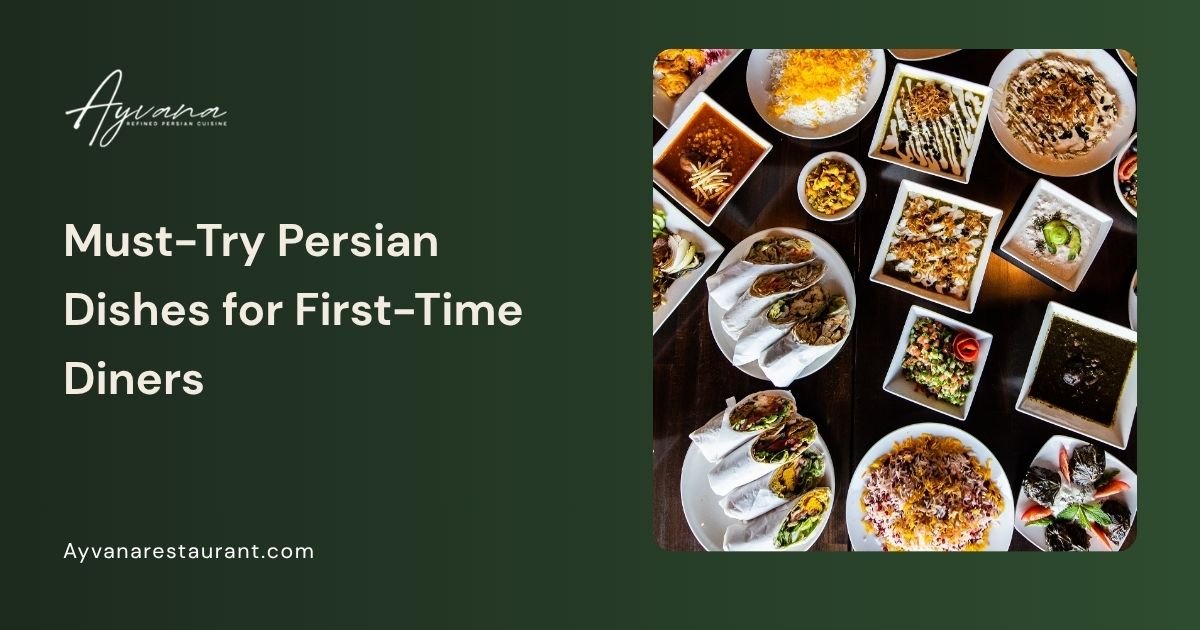
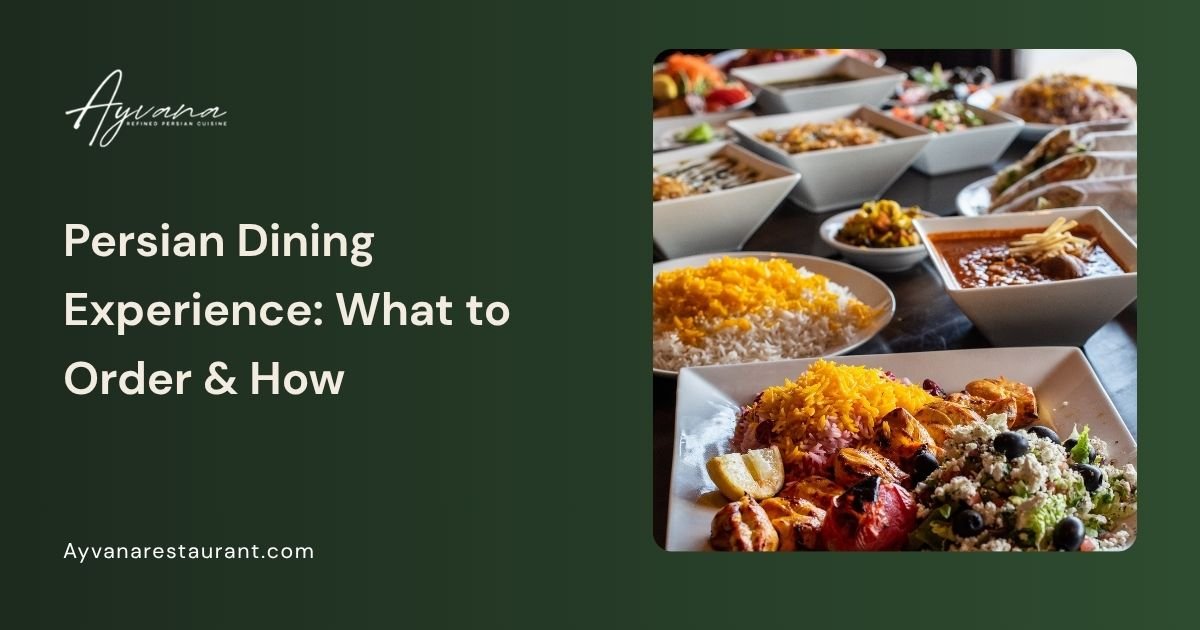
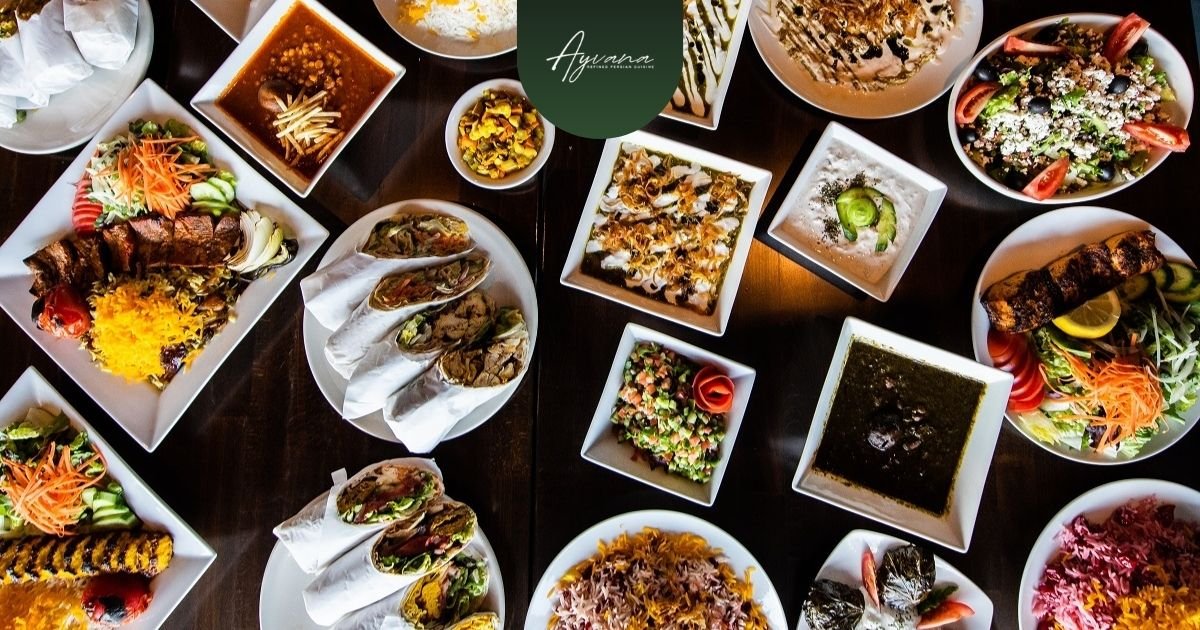
Persian meals are typically shared. Dishes are placed at the center of the table and enjoyed together.
A traditional setup may include:
- A main dish (rice or stew)
- Several side dishes (salads, dips, herbs)
- Bread and yogurt-based items (or alternatives for vegans)
This style encourages variety and balance in each meal.
Where to Try the Best Vegetarian Persian Food in Tarzana
Trying these dishes at a restaurant can provide a better understanding of how they are meant to taste and be served.
At Ayvana Persian Restaurant in Tarzana, a range of vegetarian Persian dishes is available, reflecting traditional recipes and balanced flavors. This makes it a suitable place for both first-time visitors and those looking to explore more of the cuisine.
Tips for Ordering Vegetarian Persian Food at a Restaurant
- Look for dishes based on eggplant, lentils, beans, or herbs
- Ask if stews can be prepared without meat
- Combine one main dish with multiple sides for variety
- Try both hot and cold dishes for a balanced experience
Conclusion
Vegetarian Persian food offers far more variety than many people expect. From herb-based stews to rice dishes and fresh sides, the cuisine provides a wide range of flavors and textures without relying on meat.
Exploring these dishes can give a deeper understanding of Persian cooking and its emphasis on balance, freshness, and shared dining.