Rice is at the heart of Persian cuisine. It is not just a side dish, but a central part of the meal, prepared with care and transformed into a wide variety of dishes with distinct flavors, textures, and ingredients.
From simple, perfectly steamed rice to layered dishes with herbs, fruits, and meats, Persian rice dishes offer far more variety than many people expect. This guide explains what makes Persian rice unique, introduces the most important types, and walks through the different Persian rice dishes you should try.
Here is the Quick Answer:
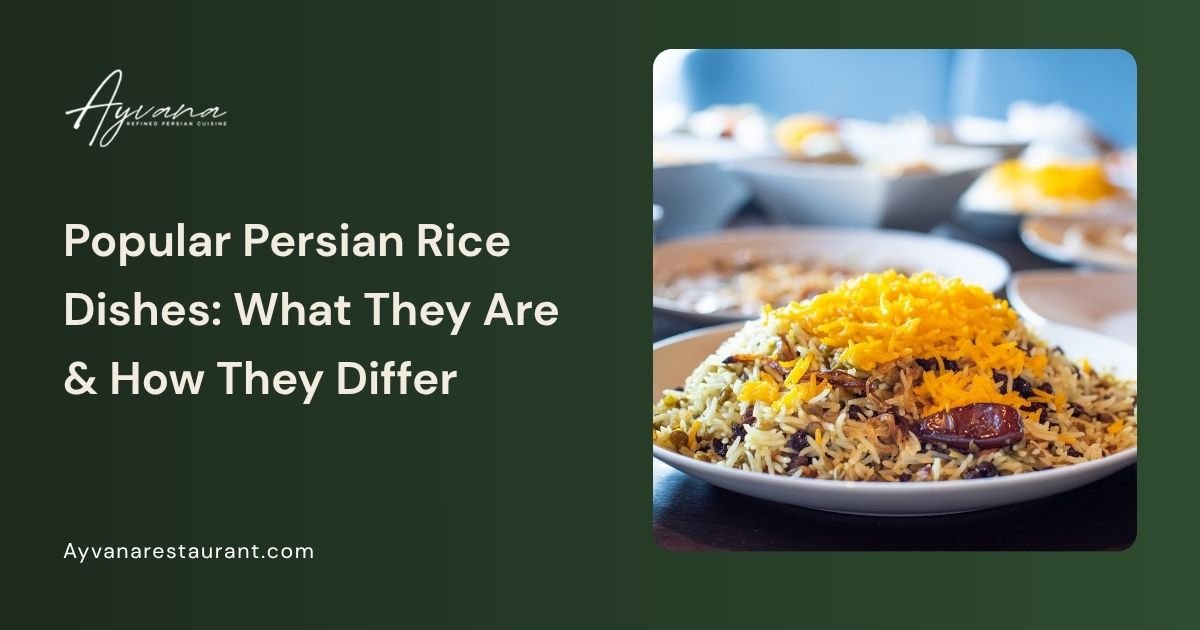
Persian rice dishes range from simple steamed rice (chelo) to mixed dishes (polo) made with herbs, fruits, beans, or meat. They are known for fluffy, separate grains, aromatic saffron, and the crispy layer called tahdig. Popular options include zereshk polo, baghali polo, and sabzi polo, each offering a different balance of flavor and texture.
What makes Persian rice dishes unique compared to other rice dishes?
Persian rice is known for its texture and precision. Each grain is meant to remain separate and light, rather than sticky or clumped together. Achieving this requires specific preparation techniques, including soaking, parboiling, and steaming.
Another defining feature is the contrast in texture. Many Persian rice dishes include tahdig, the crispy layer that forms at the bottom of the pot, adding a golden crunch beneath the soft rice.
Flavor is often built through subtle additions rather than heavy seasoning. Saffron is used to add aroma and color, while ingredients like herbs, dried fruits, or nuts create variation across different dishes.
Beyond technique, rice also carries cultural importance. It is present in everyday meals as well as celebrations, often served at the center of the table and shared.
Key Types of Persian Rice You Need to Understand First
Before exploring specific dishes, it helps to understand the core categories used in Persian cooking.
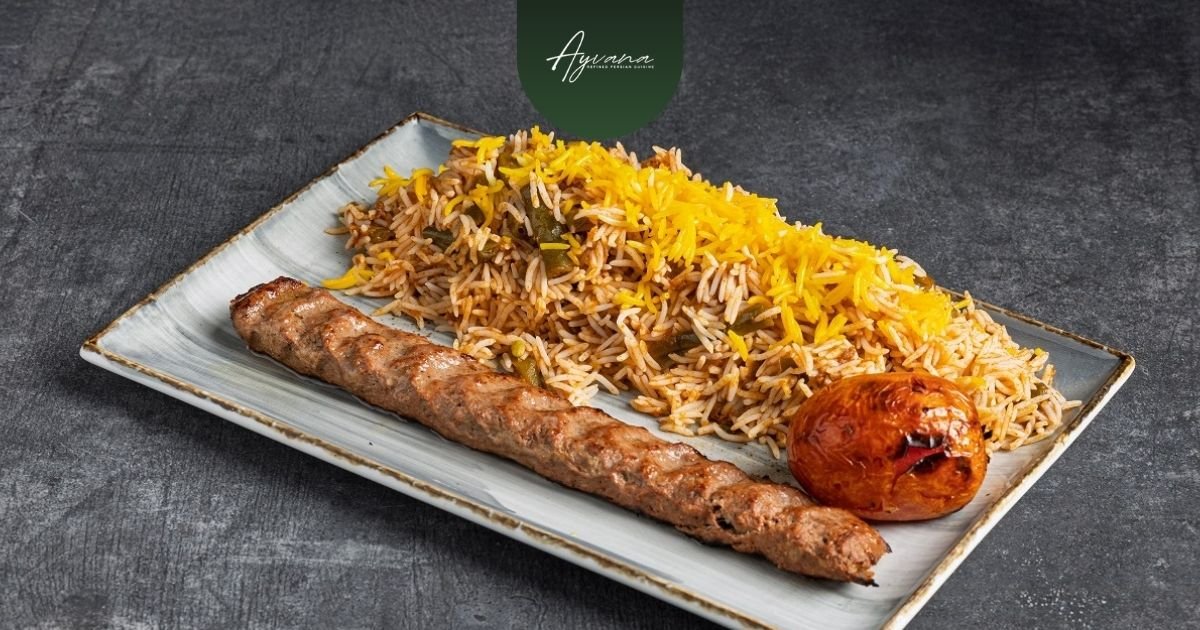
- Chelo (Plain Persian Rice): Chelo is plain steamed rice prepared with careful attention to texture. It is typically served alongside kebabs or stews, acting as a neutral base that absorbs flavor.
- Polo (Mixed Rice Dishes): Polo refers to rice that is cooked with additional ingredients such as herbs, vegetables, fruits, or legumes. These dishes are more complex in flavor and are often served as complete meals rather than simple accompaniments.
- Tahdig (The Crispy Rice Layer): Tahdig is the crispy layer formed at the bottom of the pot during rice cooking. It can be made from rice, potato slices, or even bread. It is often considered the most desirable part of the dish, adding a contrasting texture to the meal.
Common Ingredients Used in Different Persian Rice Dishes
Persian rice dishes rely on a consistent set of ingredients that create variety without overwhelming the natural flavor of the rice. Many of these are part of the broader foundation of common ingredients in Persian cuisine.
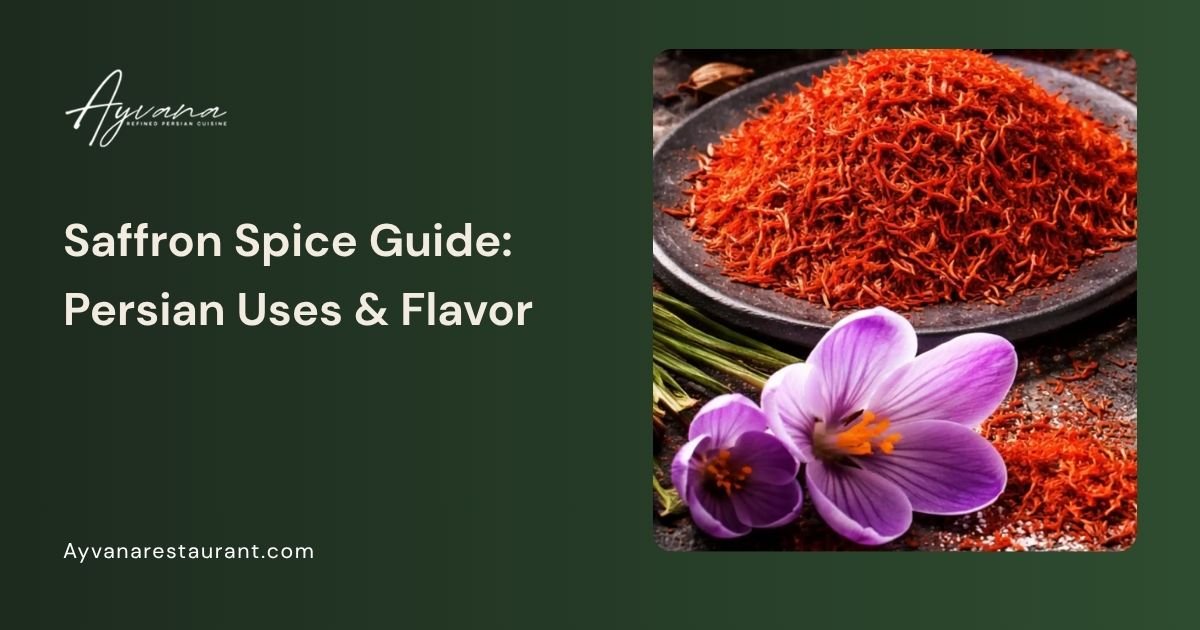
- Saffron: Saffron adds a golden color and a subtle aroma, and is one of the most important elements discussed in guides to Persian spices. It is often used sparingly but has a noticeable impact on both appearance and flavor.
- Long-Grain Rice: Persian rice is typically made with long-grain varieties, chosen for their ability to stay separate and fluffy after cooking.
- Herbs, Fruits, and Nuts: Ingredients such as parsley, dill, barberries, raisins, and nuts are used to introduce contrast. They can add freshness, sweetness, or texture depending on the dish.
- Barberries, Dill, and Fava Beans: These ingredients appear in many well-known rice dishes and play a major role in shaping flavor. Barberries add tartness, dill brings a fresh herbal note, and fava beans contribute softness and body.
Most Popular Persian Rice Dishes You Should Try
These are some of the most widely recognized Persian rice dishes, each offering a different introduction to the cuisine.
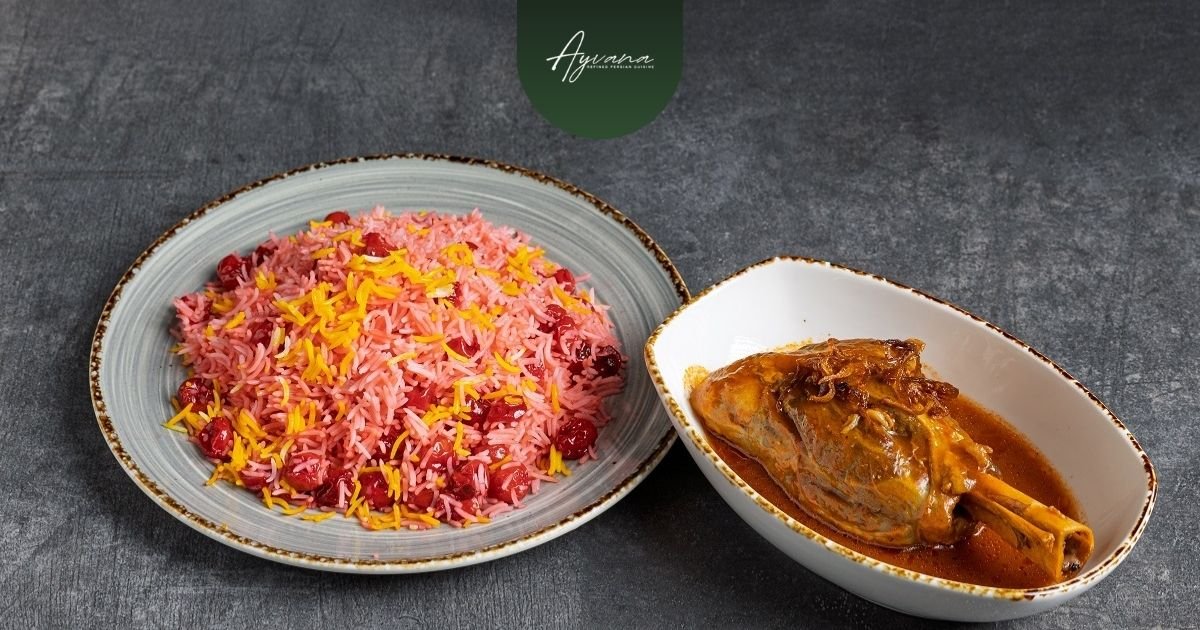
Zereshk Polo (Barberry Rice): Zereshk polo is made with saffron rice and barberries, often served with chicken. The barberries provide a tart flavor that contrasts with the mild sweetness of the rice. The dish is visually striking and commonly served at gatherings.
Baghali Polo (Dill and Broad Bean Rice): Baghali polo combines rice with dill and fava beans, usually paired with lamb. It has a fresh, aromatic flavor and is often served during celebrations. The combination of herbs and beans creates both fragrance and texture.
Sabzi Polo (Herb Rice): Sabzi polo is prepared with a mixture of fresh herbs such as parsley, cilantro, and dill. It has a light, herb-forward flavor and is traditionally associated with seasonal meals and special occasions.
Adas Polo (Lentil Rice): Adas polo includes lentils, rice, and often raisins or dates. It has a slightly sweet and savory profile, with the lentils adding a hearty texture. It is considered a comforting, home-style dish.
Albaloo Polo (Sour Cherry Rice): Albaloo polo is made with rice and sour cherries. The cherries create a tangy flavor that contrasts with the mild sweetness of the rice. This dish is often associated with warmer seasons.
Lubia Polo (Green Bean Rice): Lubia polo combines rice with green beans, tomato, and meat. It has a balanced, savory flavor and is often served as a complete meal rather than a side dish.
Havij Polo (Carrot Rice): Havij polo uses carrots, sometimes with raisins or nuts. It offers a mild sweetness and a soft texture, making it a lighter and more approachable dish.
Tahchin (Baked Rice Cake): Tahchin is a layered rice dish made with rice, yogurt, and saffron, often combined with chicken. It is baked rather than steamed, creating a golden, slightly crispy crust on the outside and a soft interior. The saffron adds aroma and color, while the yogurt helps bind the rice into a sliceable form. It is often served at gatherings and appreciated for its contrast in texture.
Lesser-Known Persian Rice Dishes Worth Discovering
In addition to well-known dishes, there are regional and occasion-based rice dishes that are less widely recognized.
Morasa polo, for example, is a more elaborate dish that may include nuts, fruits, and saffron, creating a layered and visually detailed presentation. It is often associated with formal or ceremonial meals, where presentation and variety play a central role.
Shirin polo is another variation that leans toward sweet flavors, often using candied ingredients alongside rice. It is commonly linked to celebratory occasions, where its balance of sweetness and aroma makes it suitable for festive settings.
These dishes are less common in everyday meals but reflect the diversity and depth of Persian cooking traditions.
How Different Persian Rice Dishes Are Served and Paired
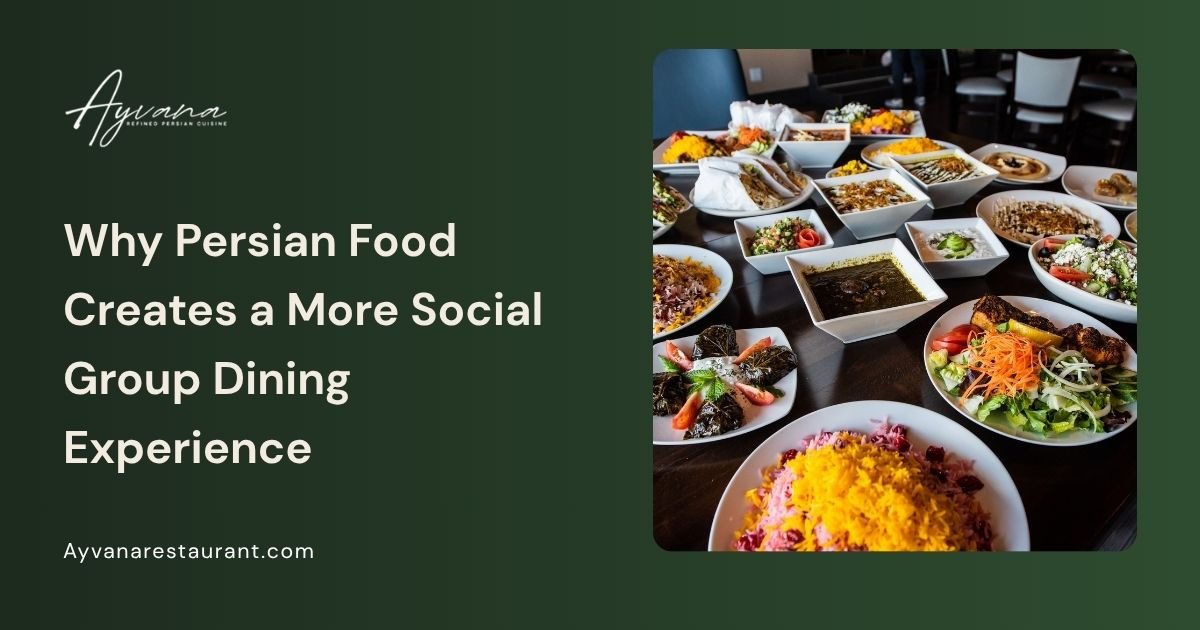
Persian rice dishes are rarely served in isolation. They are typically part of a larger meal that includes proteins, sides, and drinks.
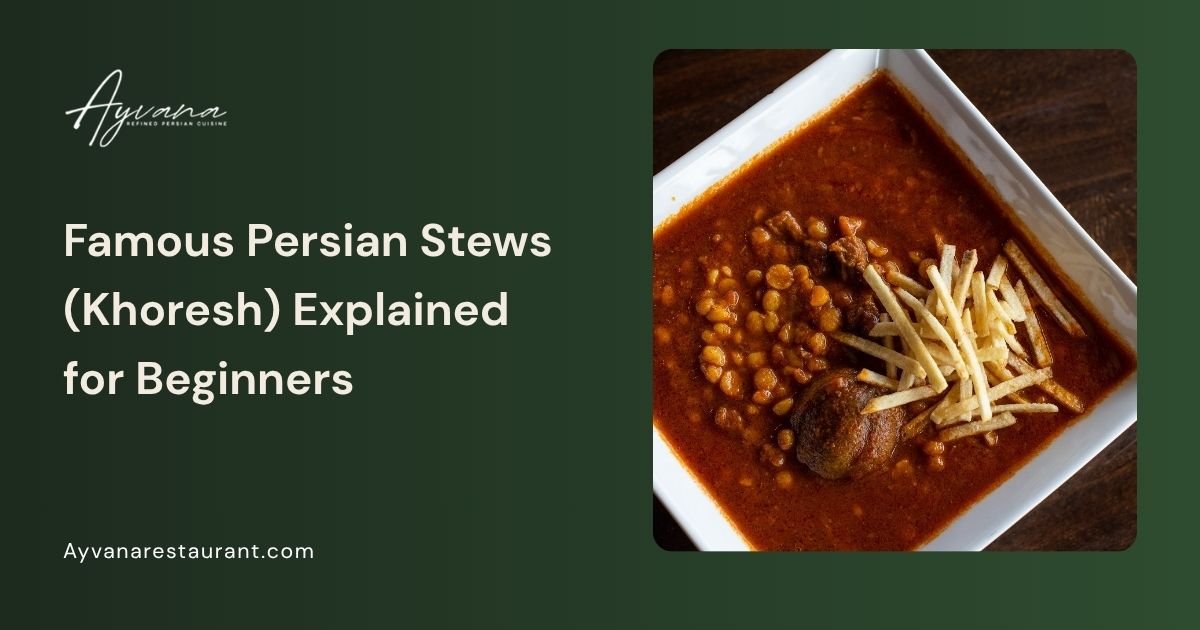
Rice dishes may be paired with kebabs or stews such as ghormeh sabzi, a traditional Persian herb stew, depending on the type. Mixed rice dishes often stand on their own, while plain rice is paired with more flavorful components.
Side dishes such as yogurt, fresh herbs, or salads provide contrast. Drinks like doogh add a tangy balance that complements the meal.
Where to Try the Best Persian Rice Dishes in Tarzana
Los Angeles offers many opportunities to experience Persian cuisine, and Tarzana is one of the areas where these dishes are readily available.
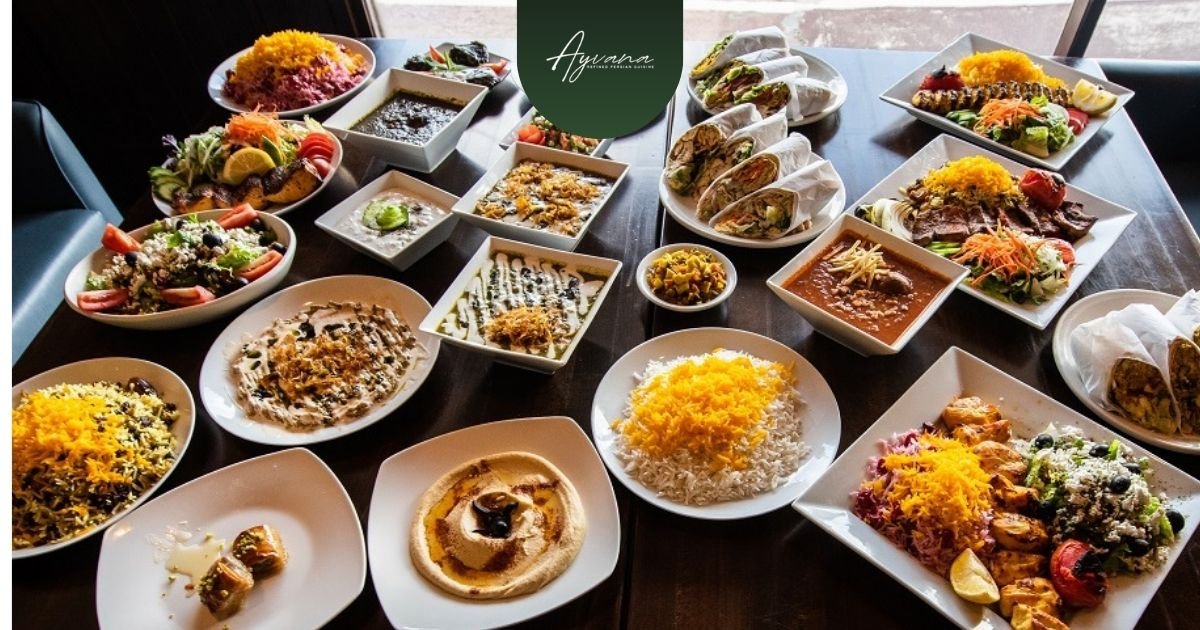
At Ayvana Persian restaurant, a range of traditional rice dishes is served in a setting that reflects the structure of a full Persian meal. This allows first-time visitors to try different styles in a single visit.
How to Choose Between Different Persian Rice Dishes for Your First Experience
For a first experience, it helps to start with dishes that are easy to understand in flavor and structure.
Zereshk polo or sabzi polo are often good starting points, offering a balance of familiarity and distinct flavor. Dishes like adas polo or albaloo polo provide a more noticeable contrast in sweetness or texture.
Choosing based on flavor preference can also help. Herb-based dishes tend to be lighter, while lentil or fruit-based dishes may feel richer or more layered.
Conclusion: Exploring Different Persian Rice Dishes in Los Angeles
Persian rice dishes offer a wide range of flavors and textures, from simple and balanced to more complex and layered.
In Los Angeles, these dishes are accessible and varied, making it easier to explore Persian cuisine in depth. Trying multiple dishes provides a better understanding of how ingredients and techniques come together.
For those looking to experience these dishes in a setting that reflects a full Persian dining experience, Ayvana in Tarzana offers a practical starting point.