Persian spices are best understood not as sources of heat, but as tools for balance, aroma, and depth. In Persian cuisine, spices work alongside herbs, rice, fruits, and slow cooking techniques to create layered flavors that feel refined rather than intense.
In this guide, you’ll learn which Persian spices are most important, what they taste like, how they are used, and which dishes showcase them. If you are new to Persian food, this will help you understand what to expect. And if you want to experience these flavors in practice, Ayvana Persian restaurant in Tarzana offers a clear introduction through traditional dishes.
Here is the Quick Answer:
Persian spices focus on aroma and balance rather than heat. Key spices include saffron for fragrance, turmeric for depth, cinnamon for warmth, and sumac or dried lime for tang. These are used together with herbs, rice, and slow cooking to create layered, mildly spiced dishes like kebabs, stews, and saffron rice.
What are Persian spices and why are they important in Persian cuisine?
Persian spices play a supporting but essential role in cooking. Unlike cuisines that rely on strong spice blends or chili heat, Persian cooking uses spices to enhance aroma, create warmth, and bring balance to a dish.
Most Persian dishes are not spicy in the sense of being hot. Instead, they are aromatic. A stew might combine turmeric for depth, dried lime for sourness, and herbs for freshness. A rice dish may include saffron for fragrance and color, with cinnamon adding subtle warmth.
This approach reflects a broader philosophy in Persian cuisine. Ingredients are layered carefully so that no single flavor dominates. Spices are part of a larger system that includes herbs, sour elements, and slow-cooked bases like onion. The result is food that feels complex but not overwhelming.
Essential Persian Spices Every Beginner Should Know
To understand Persian spices, it helps to look at the individual ingredients that appear most often. Each one contributes a specific type of flavor, and each appears in recognizable dishes.
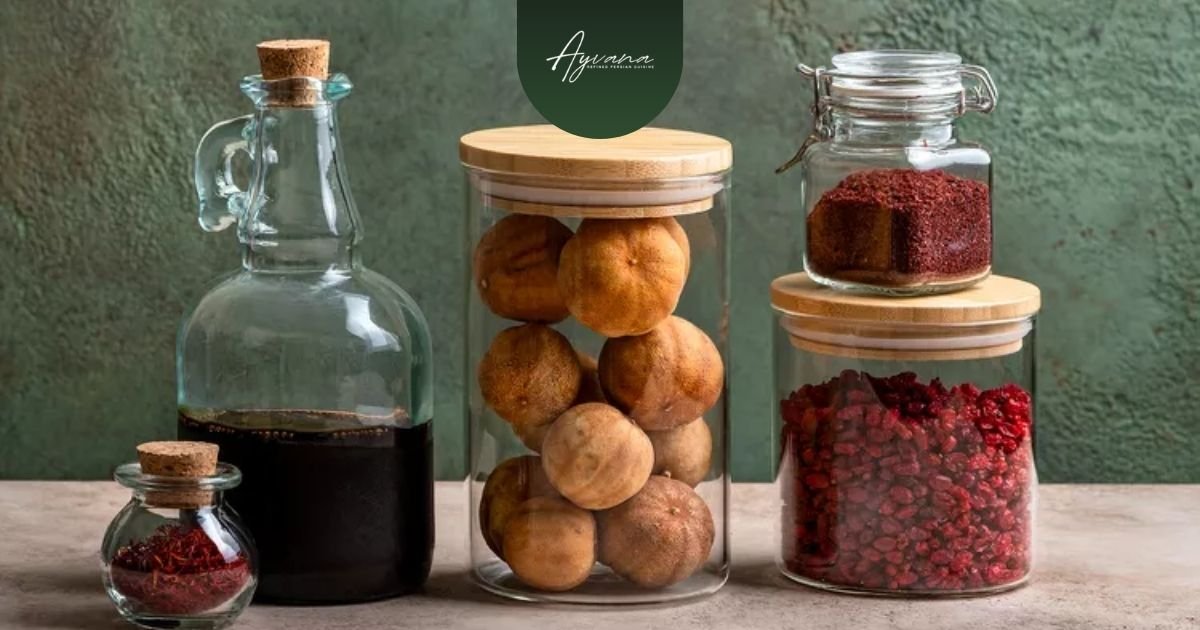
Saffron (Za’feran): The Most Famous Persian Spice
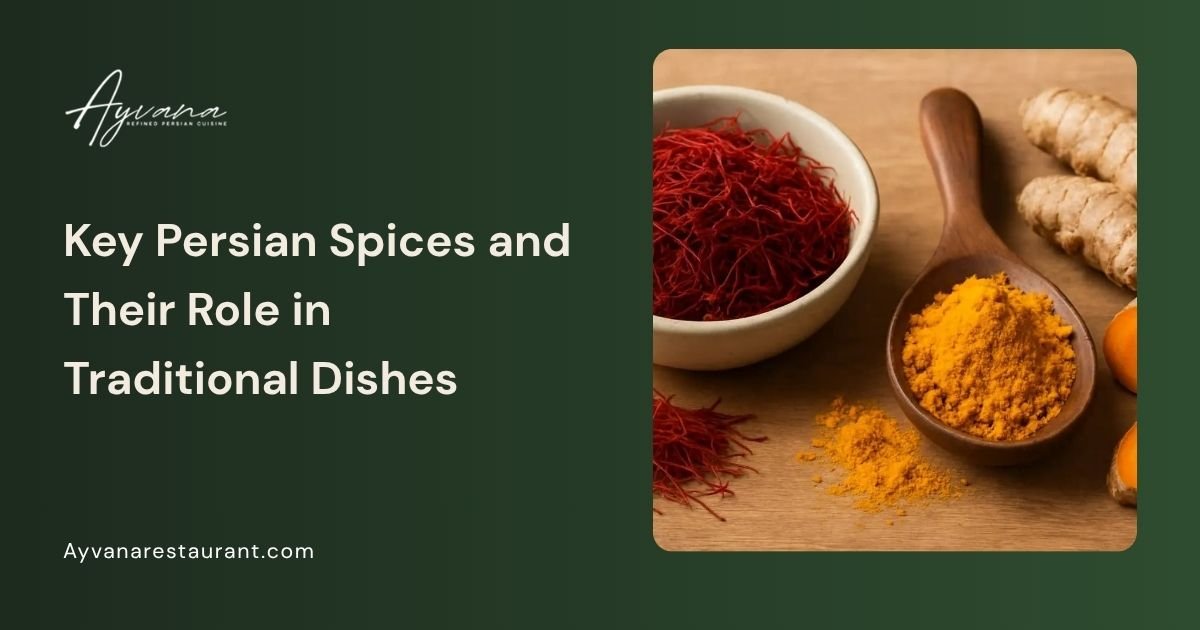
Saffron is widely considered the signature spice of Persian cuisine. It is known for its golden color, delicate floral aroma, and subtle, slightly sweet flavor.
Rather than being used directly, saffron threads are typically steeped in warm water to release their color and fragrance before being added to food. It is commonly used in saffron rice, tahchin, and many chicken or lamb dishes. Because of its cost and cultural significance, saffron is often associated with celebration and hospitality.
Turmeric (Zardchoobeh): A Core Spice in Persian Cooking
Turmeric is one of the most common Persian spices used in everyday cooking. It provides a warm, earthy base and a rich golden color.
In Persian cuisine, turmeric is often added at the beginning of cooking, especially when sautéing onions. It forms the foundation of many stews such as gheimeh and is also used in chicken and lentil dishes. Its role is subtle, supporting the dish rather than standing out.
Cinnamon (Darchin): A Warm Spice in Persian Food
Cinnamon in Persian cuisine is used in both savory and sweet contexts. It adds warmth and depth rather than a strong sweet flavor.
It appears in dishes like adas polo (lentil rice), certain meat stews, and layered rice dishes. In these contexts, cinnamon enhances complexity without making the dish taste like dessert.
Sumac (Somagh): The Tangy Persian Table Spice
Sumac is a deep red spice with a tangy, slightly citrusy flavor. It is typically used as a finishing spice rather than cooked into dishes.
At a Persian table, sumac is often sprinkled over kebabs and rice just before eating. It provides brightness and contrast, helping balance the richness of grilled meats.
Black Pepper
Black pepper is used in Persian cooking as a mild source of heat and warmth. It is rarely dominant but helps round out the flavor of many dishes.
It is often included in stews, soups, and meat preparations, where it supports other spices rather than standing out on its own.
Cardamom (Hel): A Fragrant Spice in Persian Tea and Desserts
Cardamom is valued for its strong, aromatic fragrance. It is most commonly associated with Persian tea and desserts, though it can also appear in certain rice dishes.
It adds a sweet, floral note that complements both sweet and mildly savory preparations.
Cumin (Zireh): An Earthy Spice Used in Some Persian Dishes
Cumin has an earthy, slightly nutty flavor. While it is more prominent in some neighboring cuisines, it appears more selectively in Persian cooking.
It is used in certain regional dishes, soups, and rice preparations, where it contributes depth without dominating the overall flavor.
Dried Lime (Limoo Amani): A Signature Sour Flavor
Although not a spice in the strict sense, dried lime is essential to Persian flavor.
It is made by drying whole limes, which creates a concentrated sour, slightly bitter, and earthy citrus flavor. It is most commonly used in stews such as ghormeh sabzi and plays a key role in defining their tangy character.
Rose Water (Golab): A Floral Persian Flavoring
Rose water is another ingredient that goes beyond traditional spice definitions but is central to Persian flavor.
It is used primarily in desserts, drinks, and some rice dishes. It adds a floral aroma that is subtle but distinctive, contributing to the fragrant quality of Persian cuisine.
Persian Spices by Category
Understanding Persian spices becomes easier when they are grouped by the type of flavor they contribute. This helps move beyond memorizing names and toward recognizing patterns.
Warm and Earthy Persian Spices
Spices like turmeric, cinnamon, cumin, and black pepper create a sense of warmth and depth. They are often used early in cooking to build the base of a dish. In stews and meat preparations, they provide a foundation that supports other flavors.
Tangy and Sour Persian Flavor Builders
Sumac and dried lime are key ingredients for adding brightness and acidity. Sumac is typically used at the table, while dried lime is cooked into dishes. Together, they show how Persian cuisine builds sourness in different ways.
Floral and Fragrant Persian Flavorings
Saffron, cardamom, and rose water define the aromatic side of Persian cooking. These ingredients are used carefully to add fragrance rather than intensity. They appear in rice dishes, desserts, and drinks, and are often associated with special occasions.
How Persian Spices Are Used in Persian Dishes
Spices in Persian cuisine are always tied to the structure of a dish.
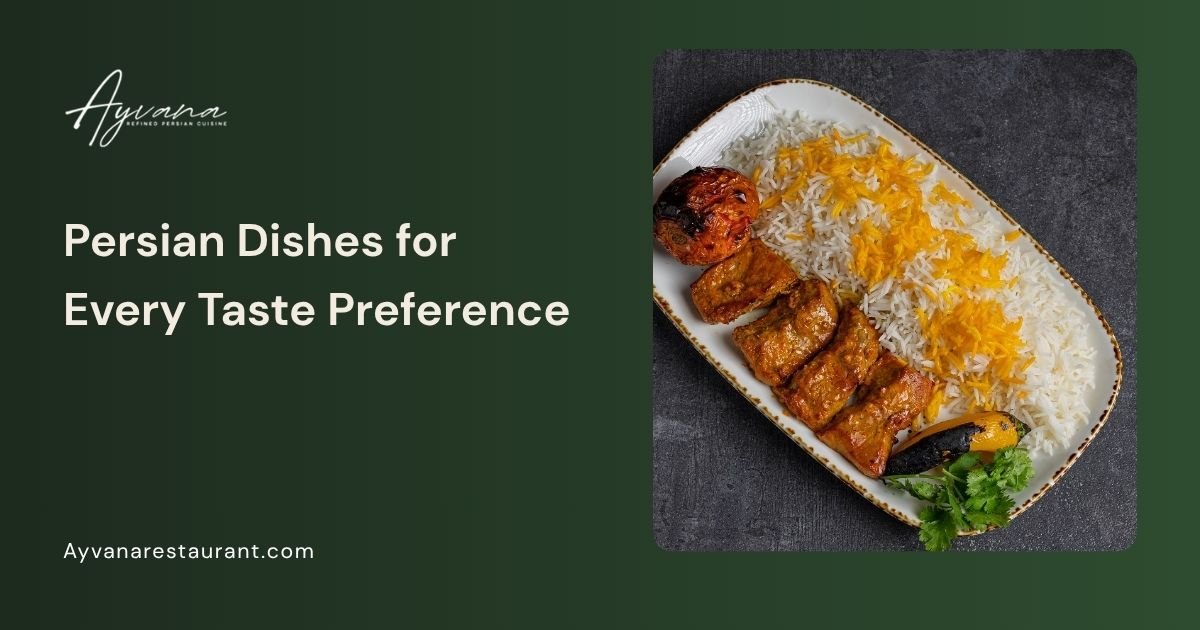
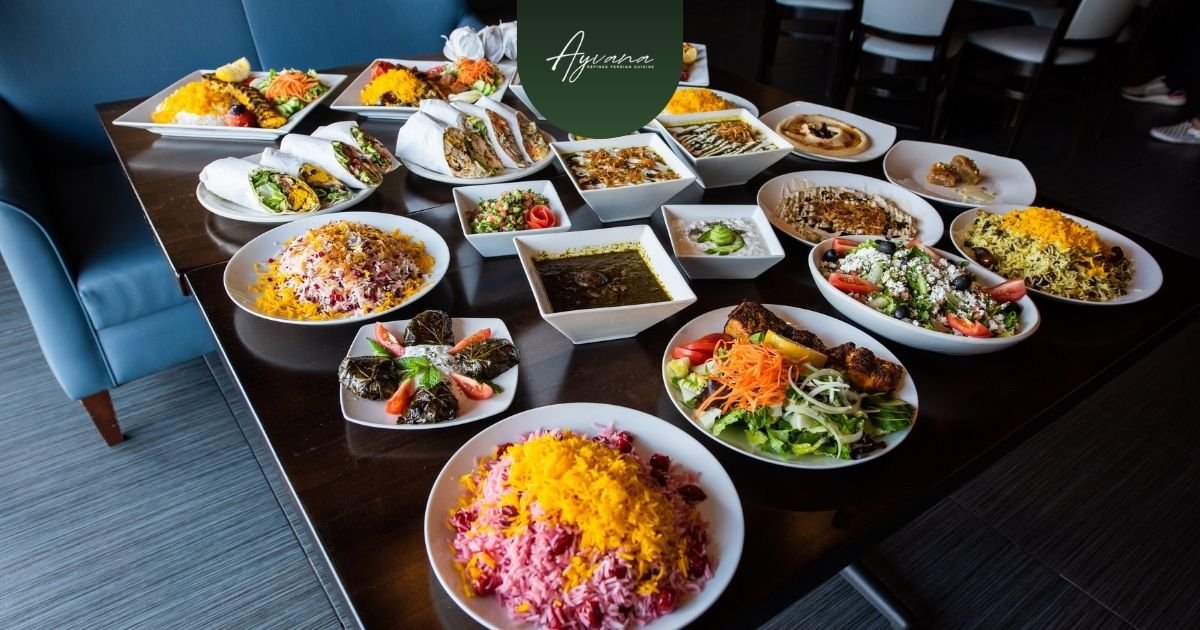
In kebabs, spices like saffron and black pepper enhance the flavor of the meat without overpowering it. In stews, turmeric forms the base, while dried lime introduces sourness and herbs add freshness. In rice dishes, saffron provides aroma and color, sometimes accompanied by cinnamon or other subtle spices.
Some spices are used during cooking to build depth, while others, like sumac, are added at the end to adjust flavor. This layered approach is a defining feature of Persian cooking.
What do Persian spices taste like?
For someone new to Persian food, the overall flavor profile can be described as balanced and aromatic.
Some spices contribute floral notes, such as saffron and cardamom. Others provide warmth, like turmeric and cinnamon. Persian ingredients like sumac and dried lime add tang, while black pepper adds mild heat.
Most of these flavors are not intense on their own. Instead, they work together to create a dish that feels cohesive and layered.
Are Persian spices hot or spicy?
Persian spices are generally not hot or chili-based.
While black pepper may add mild warmth, Persian cuisine does not rely on strong heat. Instead, it emphasizes aroma, balance, and contrast. This makes Persian food approachable for people who prefer less spicy meals.
Persian Spices vs Indian and Middle Eastern Spices
Persian cuisine shares some spices with neighboring regions, but the way they are used is different.
Compared to Indian cuisine, Persian cooking typically uses fewer layered spice blends and less chili heat. Compared to some Middle Eastern cuisines, it places more emphasis on fragrance, herbs, and sweet-tart combinations.
Ingredients like saffron and dried lime are particularly important in Persian cuisine and help distinguish it from others. The result is a flavor profile that feels refined and balanced rather than bold and heavily spiced.
How to Recognize Persian Spices on a Persian Restaurant Menu
Understanding Persian spices makes it easier to navigate a menu.
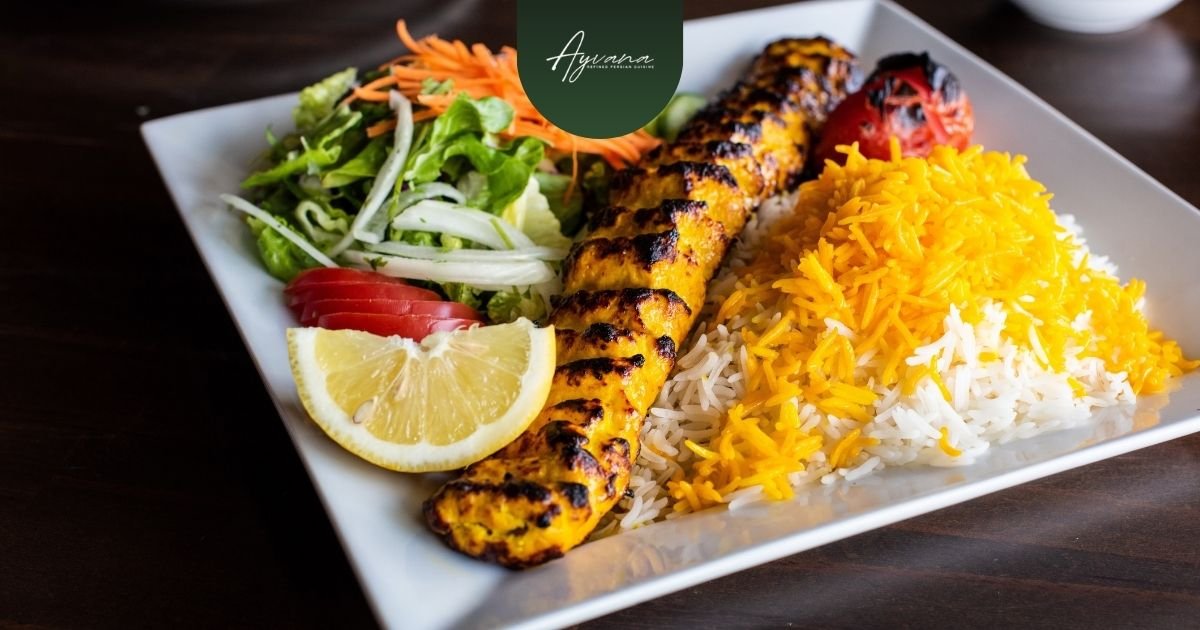
Dishes with saffron often include rice or chicken and have a distinct golden color and aroma. Stews that include dried lime tend to have a tangy flavor. Kebabs are often served with sumac on the side, allowing diners to adjust the flavor.
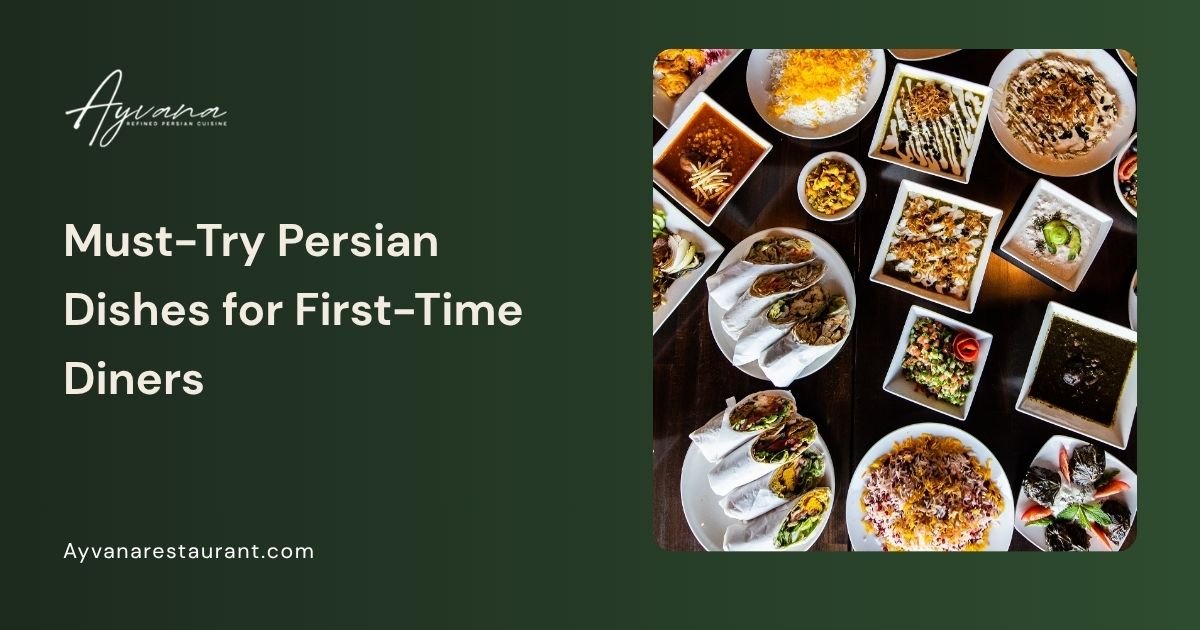
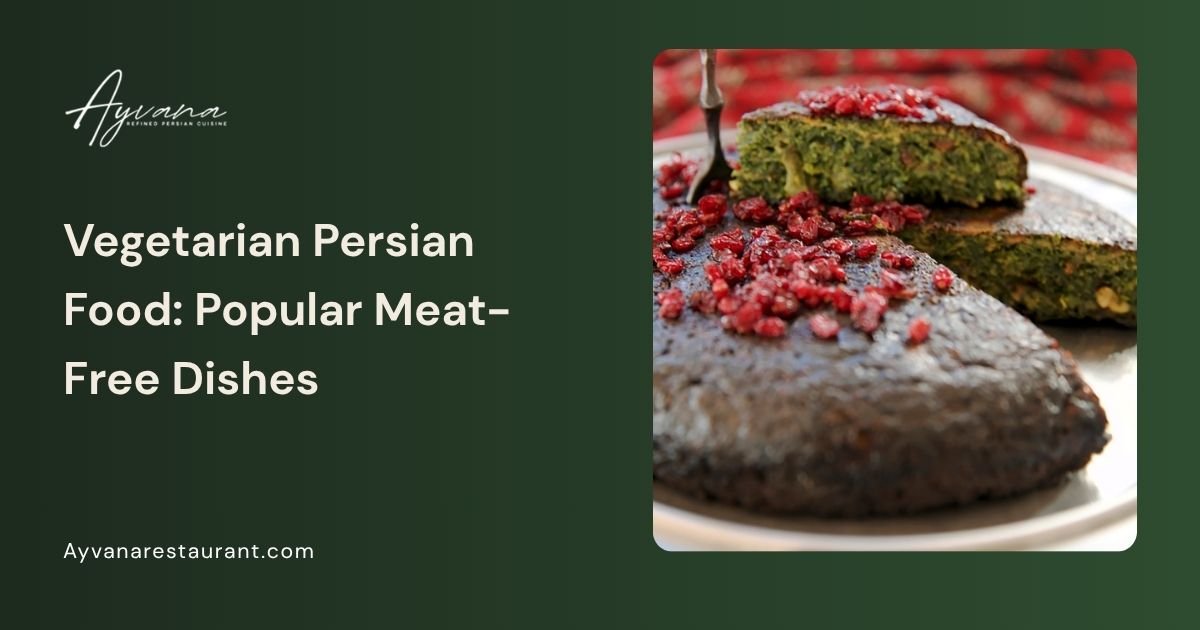
Rice dishes may include combinations of saffron, cinnamon, or barberries, while desserts and drinks often feature cardamom or rose water. Recognizing these patterns helps diners choose dishes with confidence.
Where to Experience Authentic Persian Spices in Tarzana
Reading about Persian spices provides a foundation, but tasting them in real dishes offers a clearer understanding.
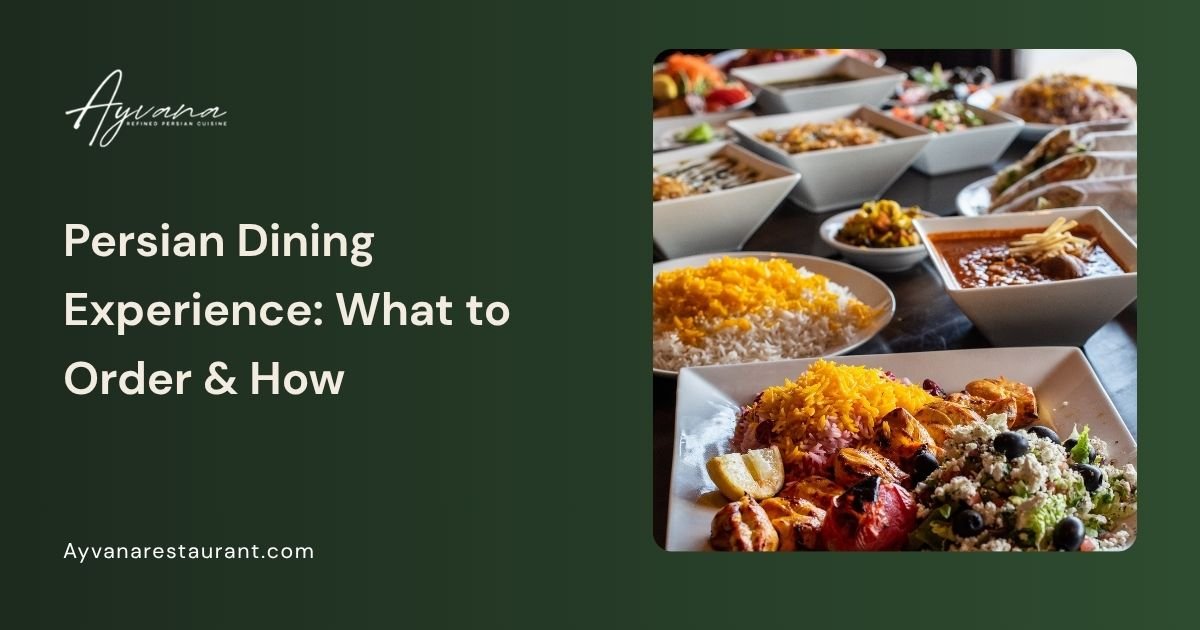
Ayvana Persian restaurant in Tarzana provides a setting where these flavors can be experienced directly. From saffron-infused rice to herb-rich stews and classic kebabs, the menu reflects the balance and ingredient combinations discussed in this guide.
For first-time diners, it is a practical way to understand how Persian spices come together in complete meals.